A New York Company Owned Half the Valley. Hiwassee Dam Drowned It.
The film of this episode premieres September 24, 2026 on YouTube. The documents, the transcript and the sources are below now.
In 1936, government field workers walked house to house through the Hiwassee River valley of Cherokee County, North Carolina, photographing every farm ahead of the water — and writing the owners' names on the negatives: Clonts, Hogshed, Stiles, Rose, Cearly, Morrow.
Transcript
The wagon on the road
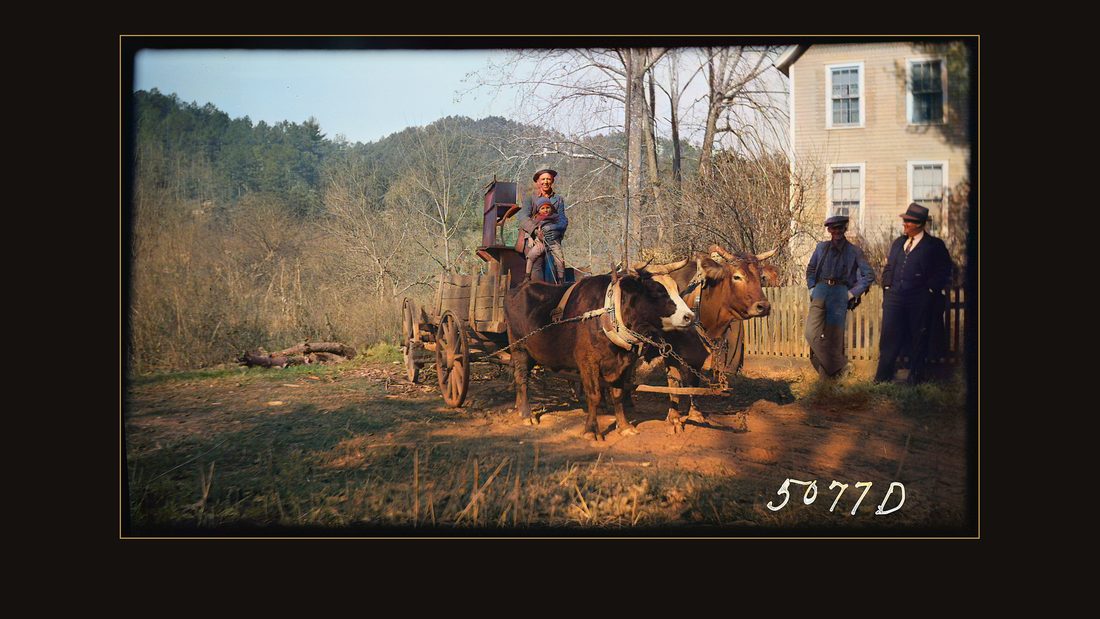
R001 Elwood, Henry; moving
TVA photographer · Murphy, N.C., 1938 · National Archives, RG 142 · AI-colorized. View the original.

Nineteen thirty-eight. Cherokee County, North Carolina. Henry Elwood's family, and everything they own, on the road.
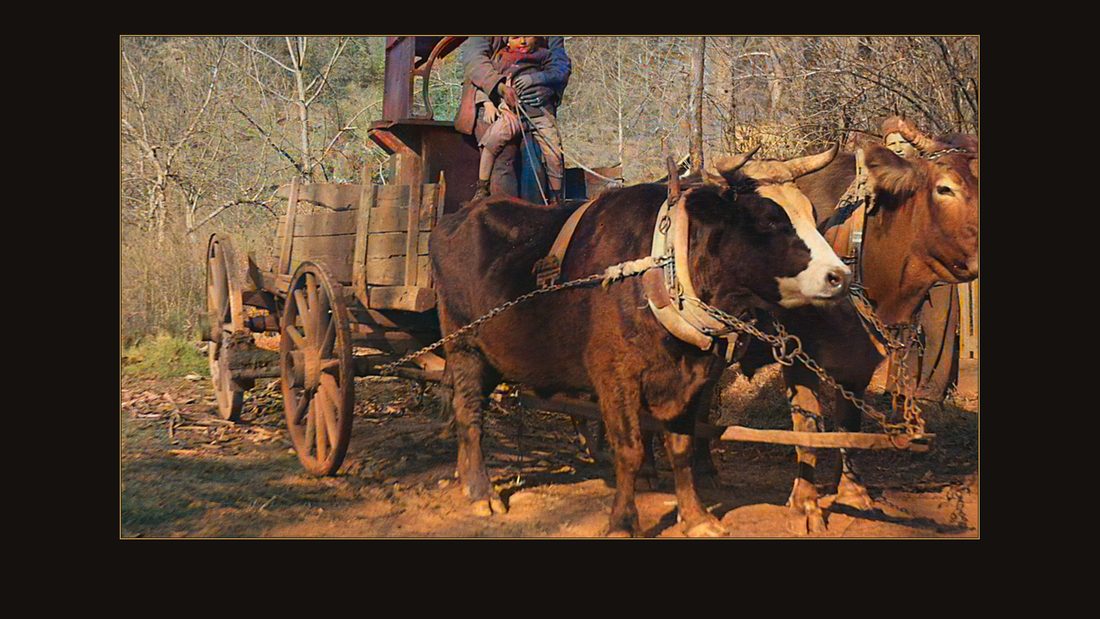
D01 Elwood, Henry; moving
TVA photographer · Murphy, N.C., 1938 · National Archives, RG 142 · AI-colorized. View the original.
The photographer's file gives one word for what they are doing. Moving. Not toward anything in particular — out of the way of water that has not risen yet.
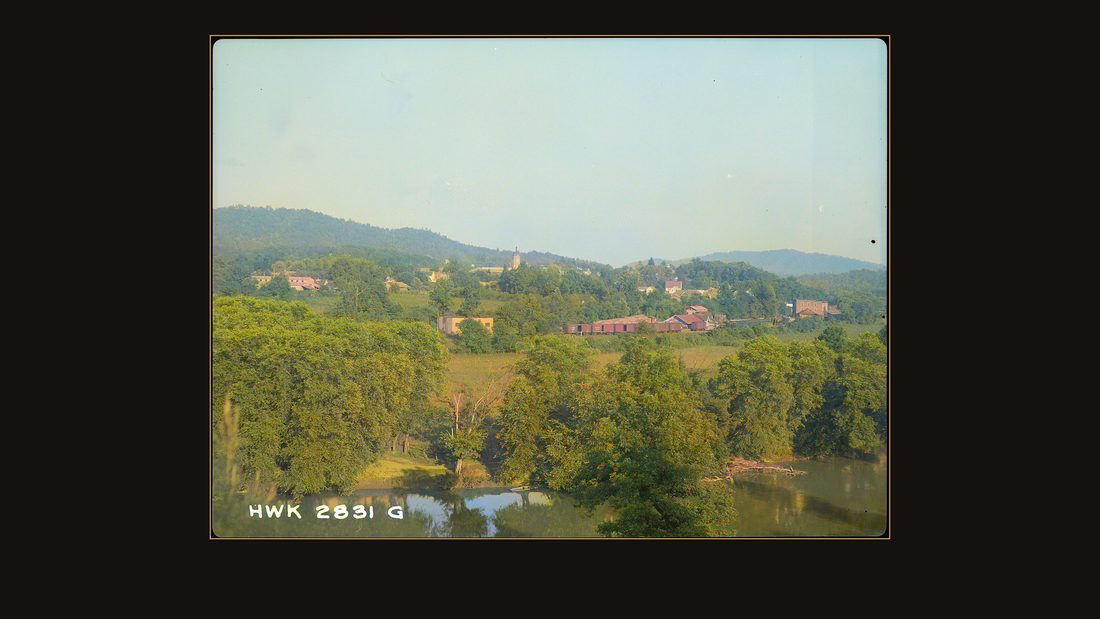
R002 Overlooking Murphy, North Carolina
TVA photographer · Murphy, N.C., 1938 · National Archives, RG 142 · AI-colorized. View the original.

This film is about who owned the valley they left — and who got to argue about the price. The answer starts thirty years earlier, in an office in New York City.
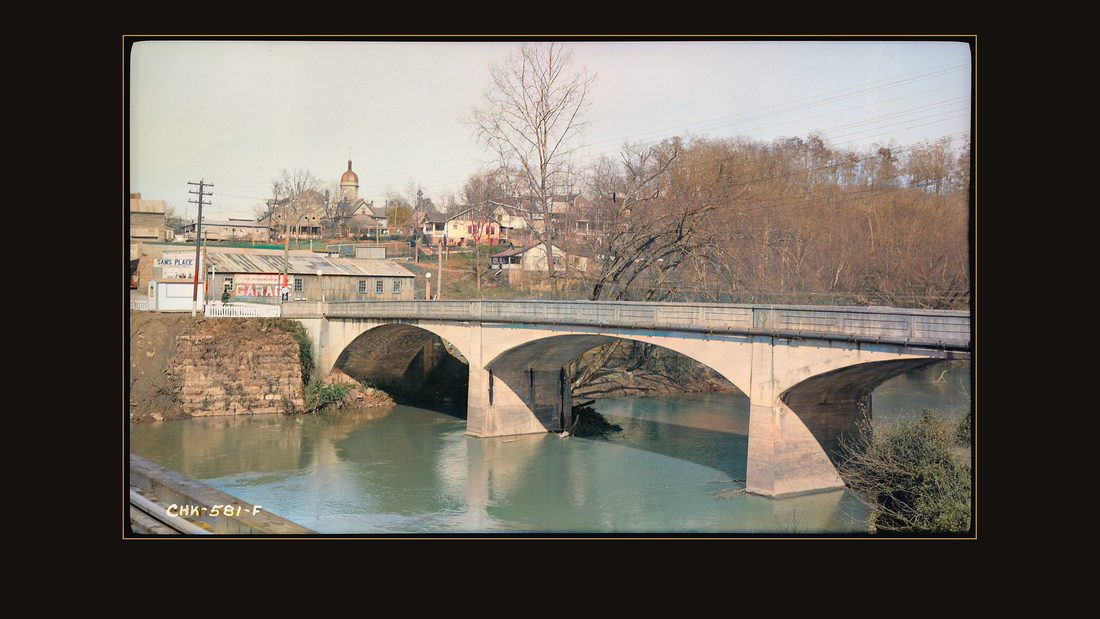
R003 Hiwassee River Bridge, Murphy in Background
TVA photographer · Murphy, N.C., 1937 · National Archives, RG 142 · AI-colorized. View the original.

The colors in these photographs are machine estimates, added in twenty twenty-six. The negatives are federal records, black and white, free at the National Archives.
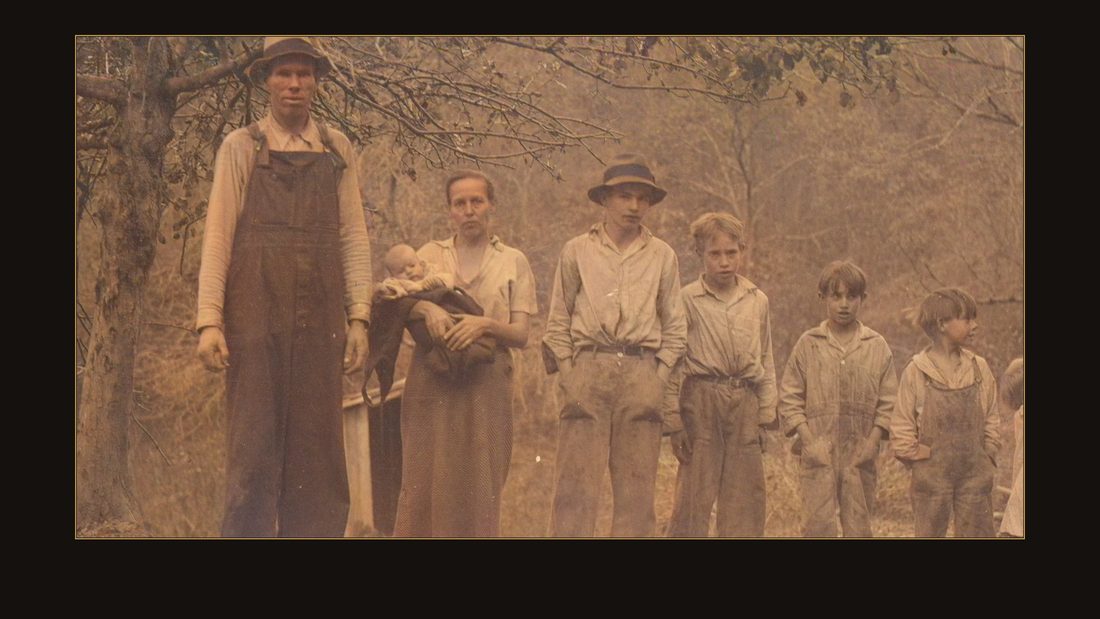
D02 Gilbert, F.; family
TVA photographer · Murphy, N.C., 1937 · National Archives, RG 142 · AI-colorized. View the original.

The faces, the light, and the places are real. The names are real too. The government wrote them on the negatives.
The valley
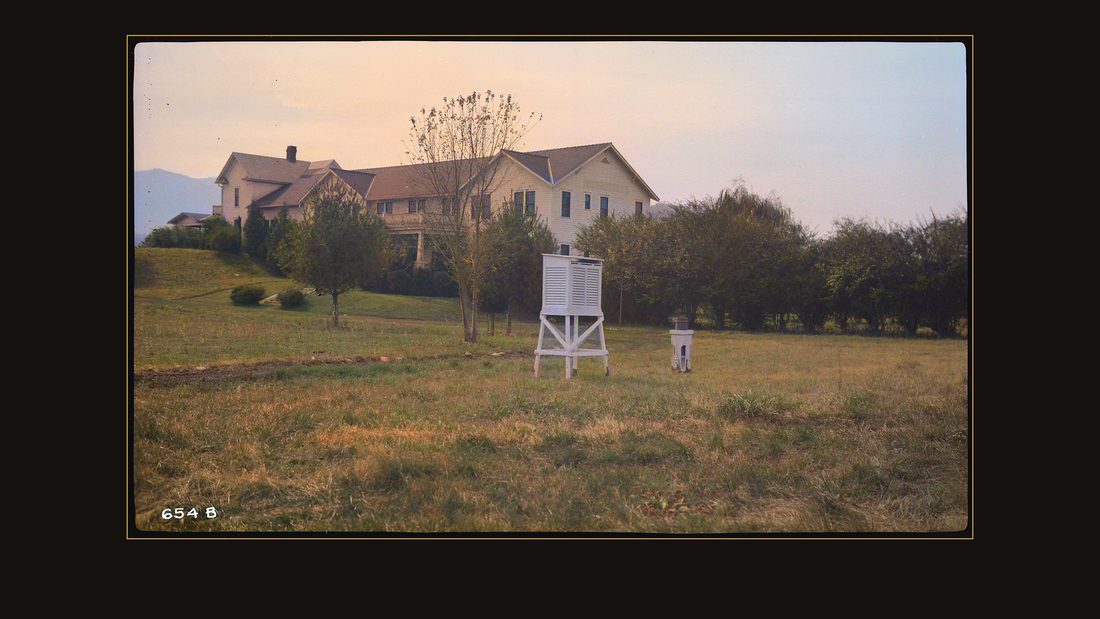
R004 Riverside Hotel
TVA photographer · Murphy, N.C., 1937 · National Archives, RG 142 · AI-colorized. View the original.

Murphy, North Carolina, Cherokee County's courthouse town — the last county in the state before Tennessee and Georgia. This is the Riverside Hotel.
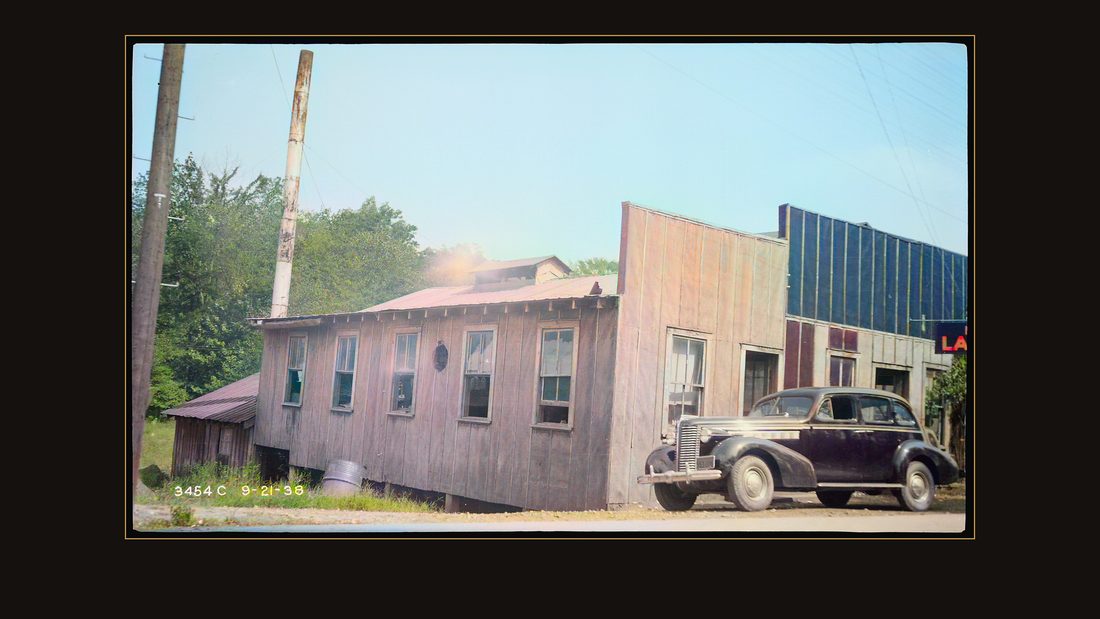
R005 Murphy Laundry
TVA photographer · Murphy, N.C., 1938 · National Archives, RG 142 · AI-colorized. View the original.

The Murphy Laundry.
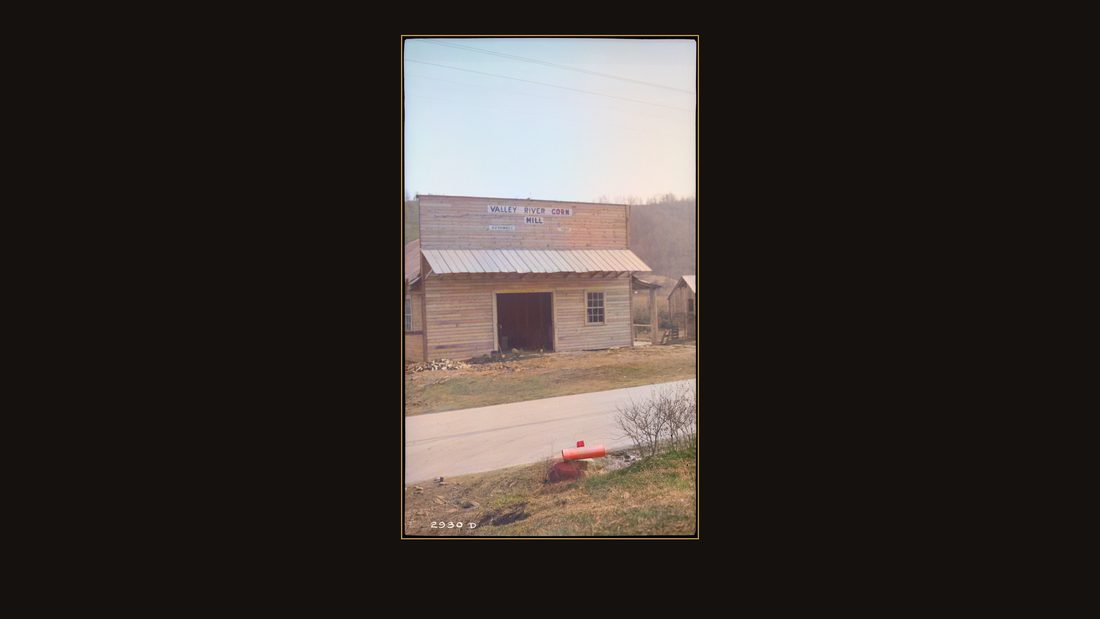
R006 Ramsey, A.J.; corn mill
TVA photographer · Murphy, N.C., 1938 · National Archives, RG 142 · AI-colorized. View the original.

A. J. Ramsey's corn mill.
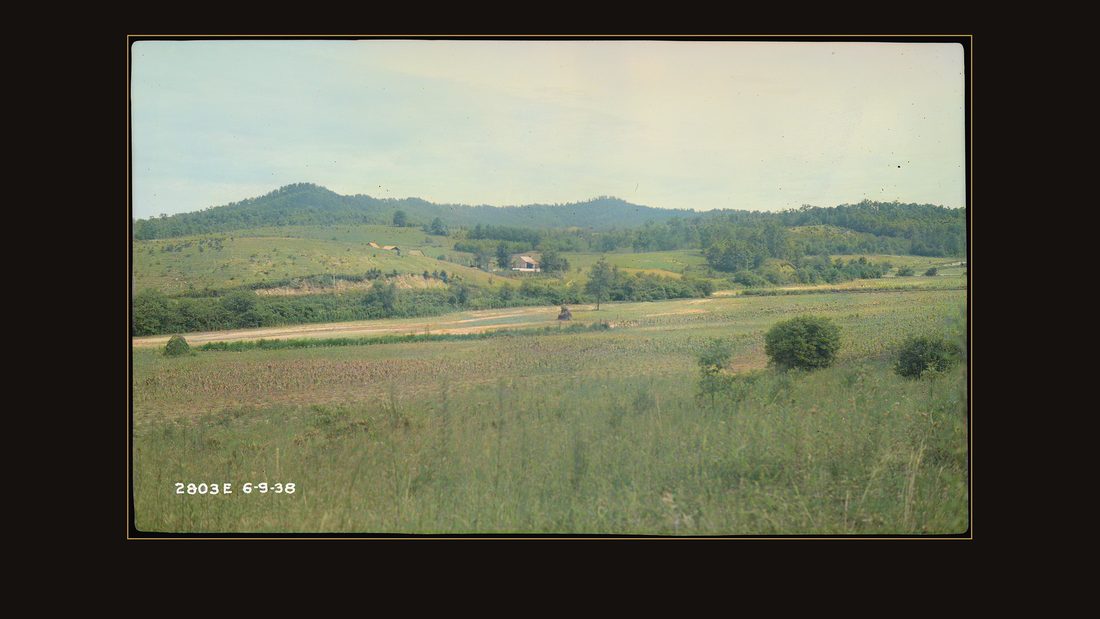
R008 Hall, D.C.; farmstead near Crawford Creek
TVA photographer · Murphy, N.C., 1938 · National Archives, RG 142 · AI-colorized. View the original.

Out from town, the county was farms. D. C. Hall's place, near Crawford Creek.
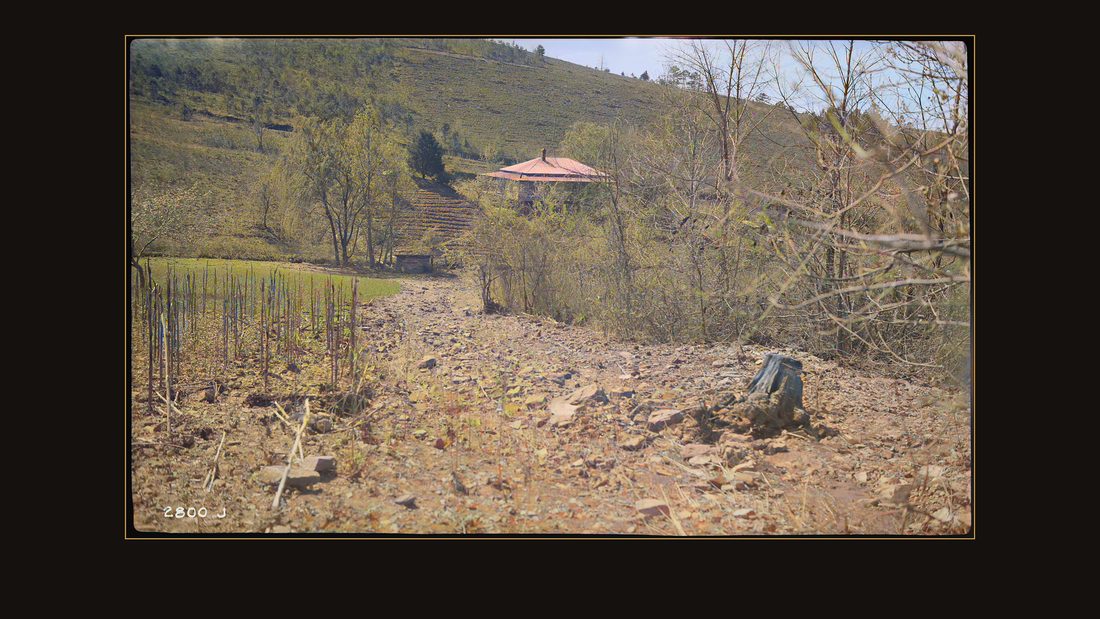
R009 Wilson farm house near Laurel Creek
TVA photographer · Murphy, N.C., 1938 · National Archives, RG 142 · AI-colorized. View the original.

The Wilson farm house, near Laurel Creek. Steep ridges, small bottoms, corn on the slopes.
The families
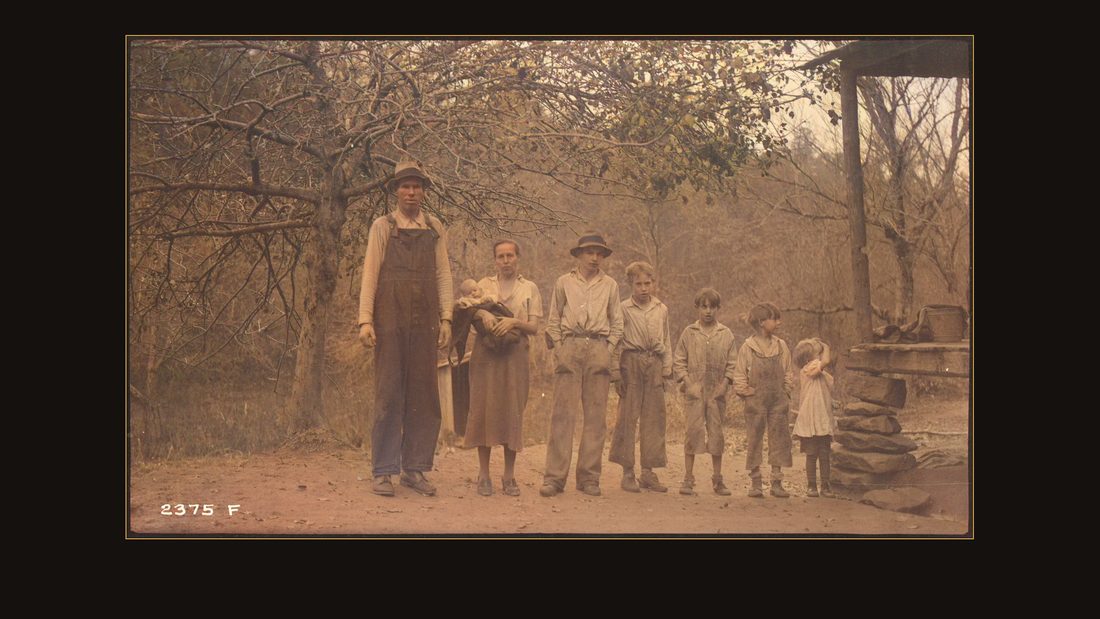
R010 Gilbert, F.; family
TVA photographer · Murphy, N.C., 1937 · National Archives, RG 142 · AI-colorized. View the original.
And the people. The Gilbert family, lined up for the camera in nineteen thirty-seven.
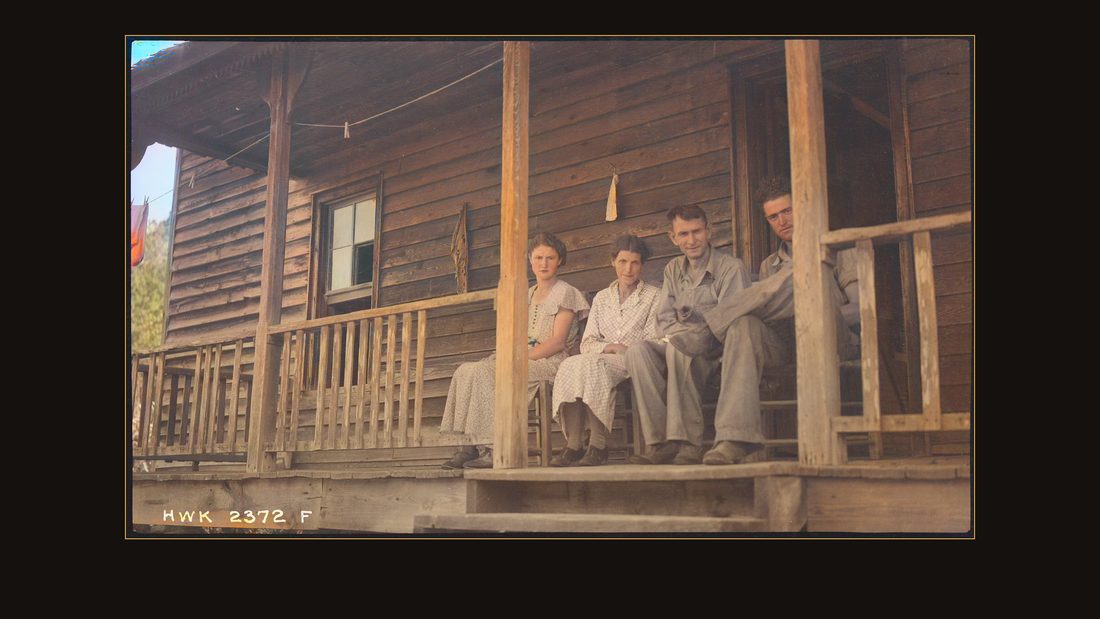
R011 Beavers, D.B.; family
TVA photographer · Murphy, N.C., 1937 · National Archives, RG 142 · AI-colorized. View the original.

The Beavers family, on their porch.
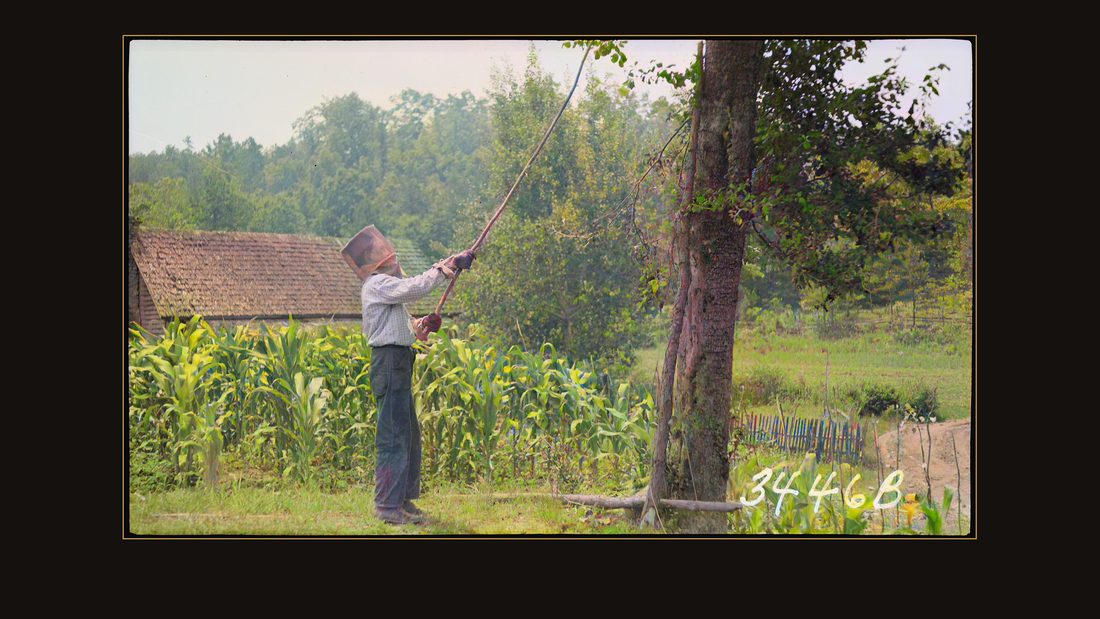
R013 Cearly, Wesley; with bees
TVA photographer · Murphy, N.C., 1938 · National Archives, RG 142 · AI-colorized. View the original.

Wesley Seerly, working his bees.
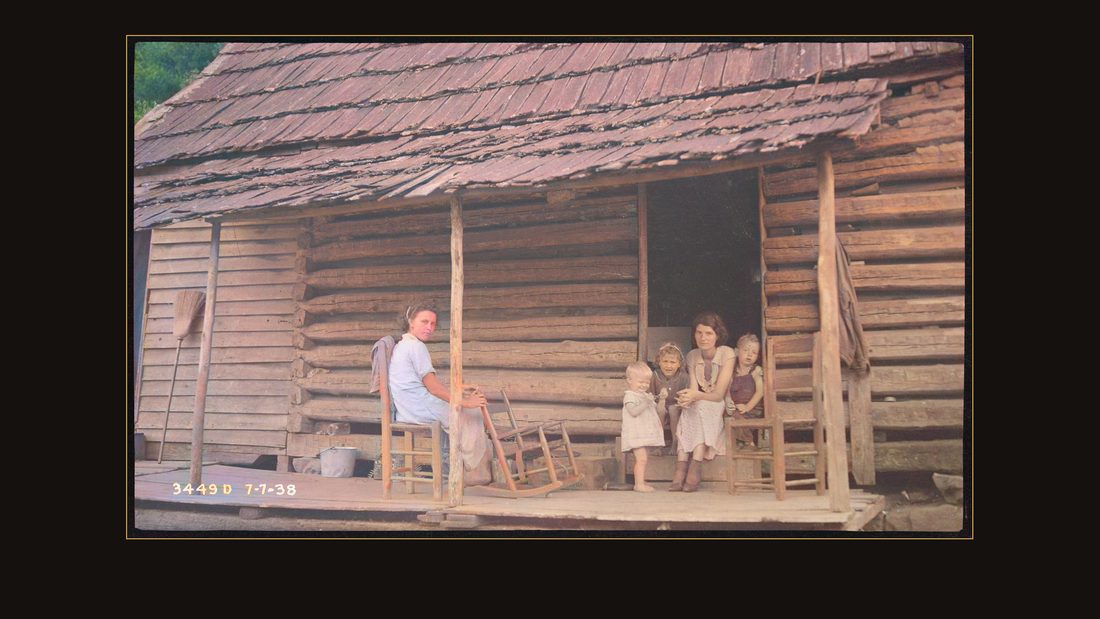
R014 Whitner, Allen; family
TVA photographer · Murphy, N.C., 1938 · National Archives, RG 142 · AI-colorized. View the original.

Allen Whitner's family, on the porch of their log house.
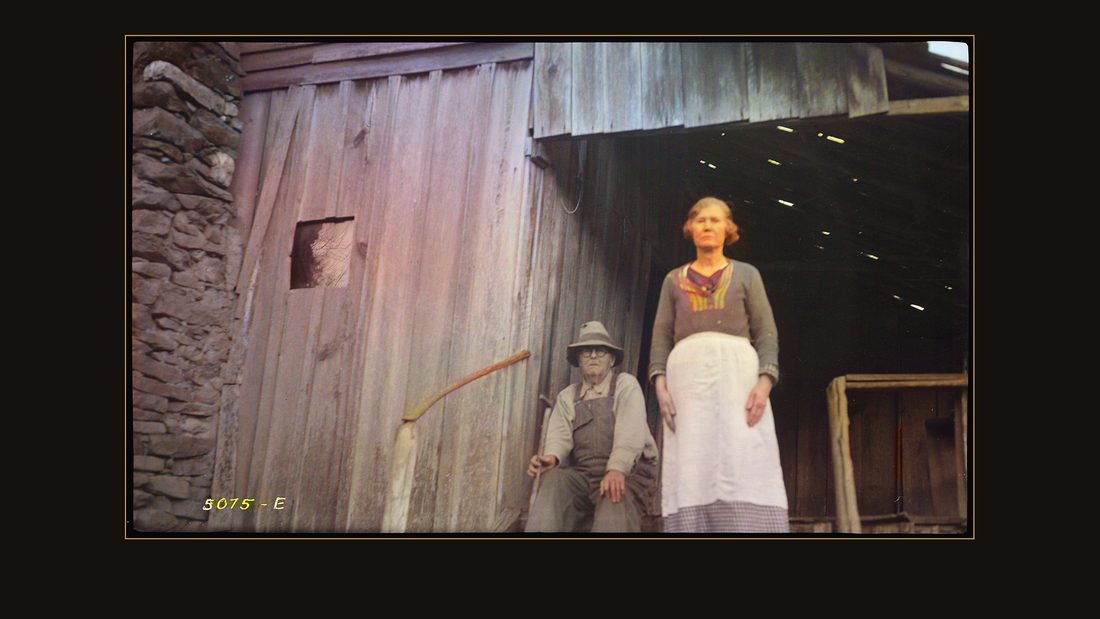
R016 Presswood, G.W., Mr. and Mrs
TVA photographer · Murphy, N.C., 1938 · National Archives, RG 142 · AI-colorized. View the original.

Mr. and Mrs. G. W. Presswood, at the barn.
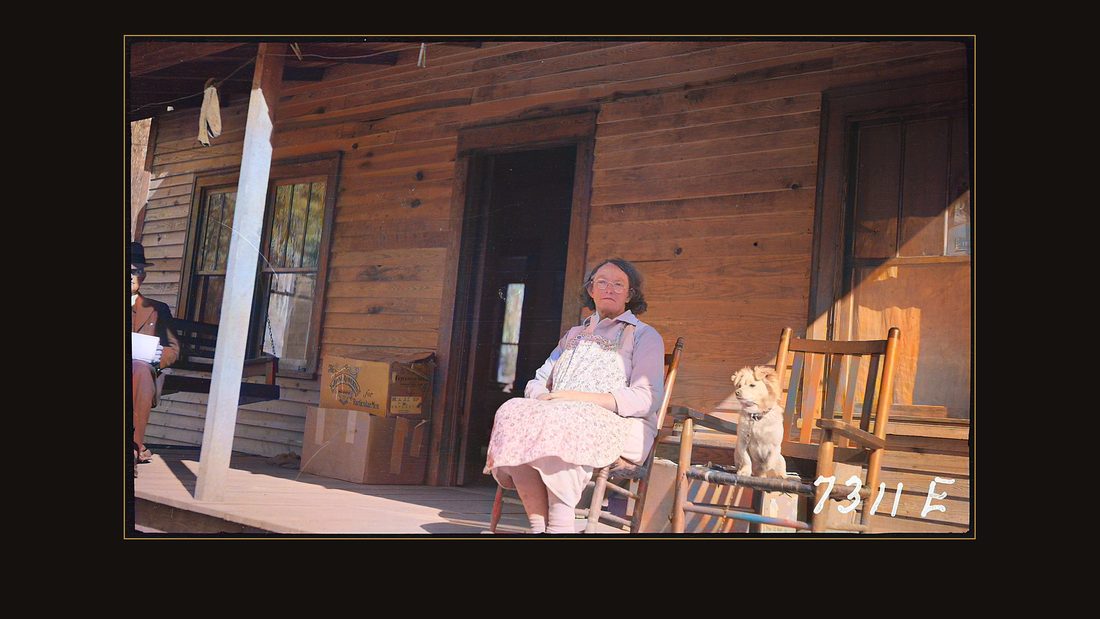
R019 Rose, Eliza; sitting on front porch
TVA photographer · Murphy, N.C., 1938 · National Archives, RG 142 · AI-colorized. View the original.

Eliza Rose, on her front porch.
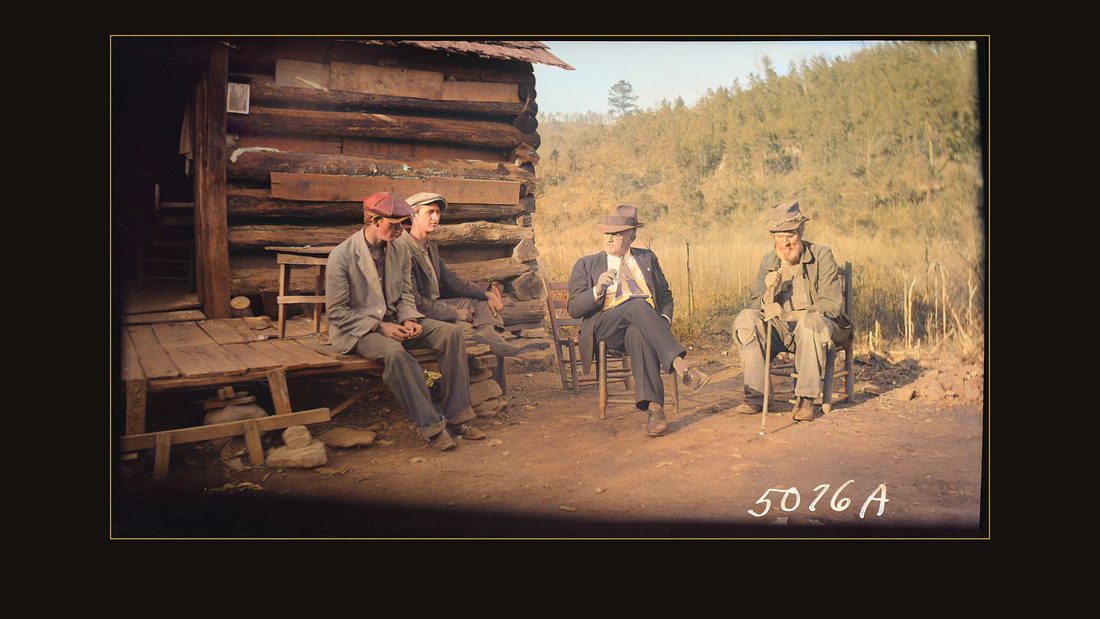
R020 Simmons, Joad; family
TVA photographer · Murphy, N.C., 1938 · National Archives, RG 142 · AI-colorized. View the original.

The Simmons family, at their log house.
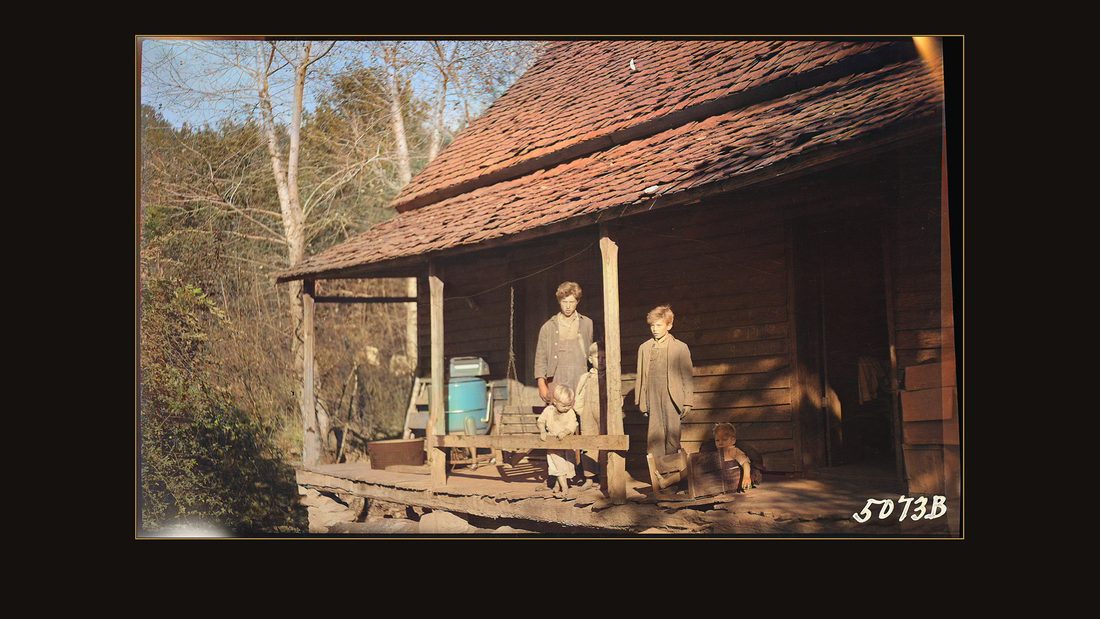
R023 Stiles, C.R.; family
TVA photographer · Murphy, N.C., 1938 · National Archives, RG 142 · AI-colorized. View the original.

The family of C. R. Stiles. A churn on the porch.
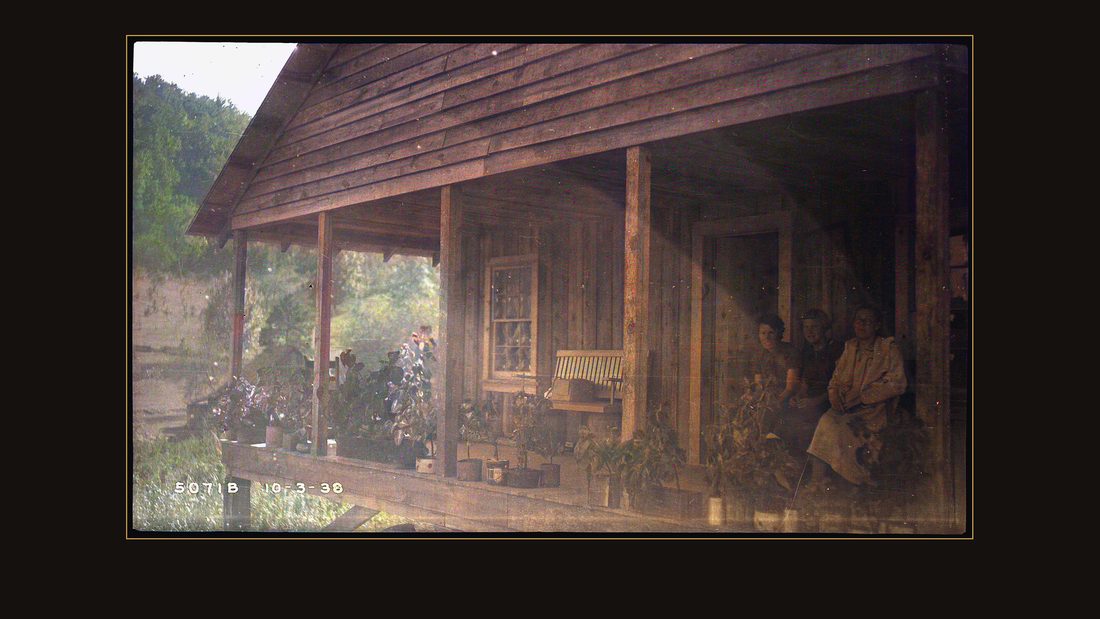
R024 Dye, John; family
TVA photographer · Murphy, N.C., 1938 · National Archives, RG 142 · AI-colorized. View the original.

John Dye's family.
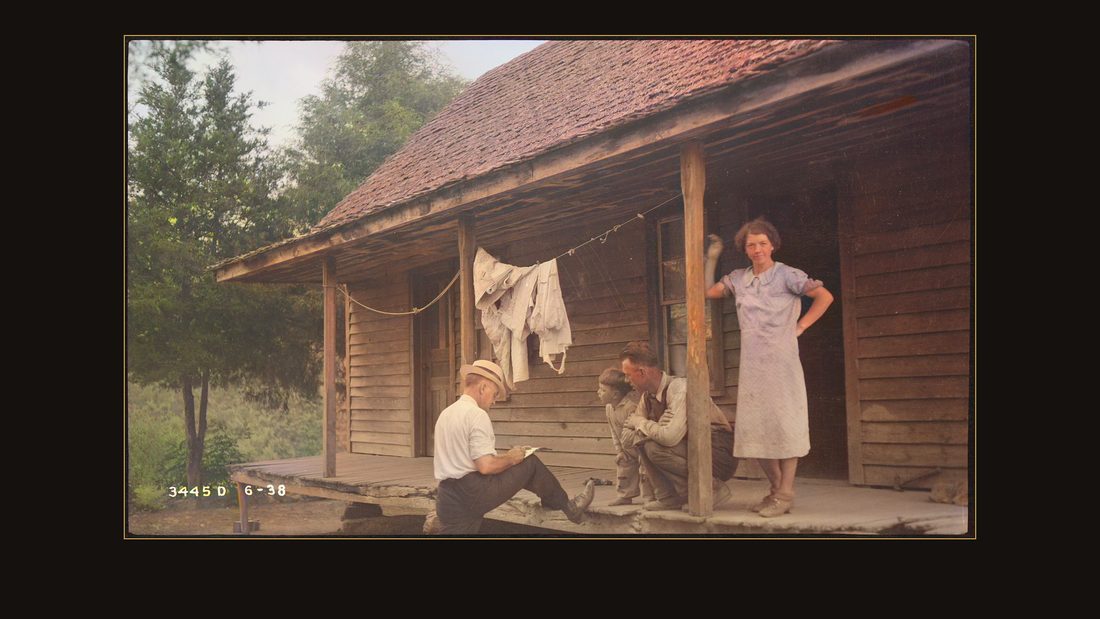
R025 Rich, Bob; family
TVA photographer · Murphy, N.C., 1938 · National Archives, RG 142 · AI-colorized. View the original.

Bob Rich's family. Every one of these photographs was taken for a land-purchase file.
Because by the time the camera came, nearly half this valley already belonged to one company. That story is written down in the government's own report — published in nineteen forty-six, and sitting in a library near you ever since.
Bought once
February, nineteen oh-nine. A special act of the North Carolina Legislature creates the Carolina-Tennessee Power Company, with the right to take land and flood rights along the Hywassee. In nineteen fourteen, control of it passes to two financiers in New York — Powelson, and Griscom.
A rival appeared the same summer — the Hywassee River Power Company, out of Knoxville, buying river frontage from the state line almost up to Murphy. The two companies met in court. Carolina-Tennessee condemned flood easements over its rival's land, and won. In June nineteen twenty-four the Supreme Court of the United States let the judgment stand.
Everything condemned lay below elevation fourteen sixty-five — the flood line of a hundred-and-fifty-foot dam, drawn just above the bend where a dam stands today.
The promoters even bought the town of Murphy's small municipal power plant — in the report's words, for the purpose of protecting the company's legal rights as an operating public utility.
And then it built nothing. The report's verdict: the plans never progressed beyond the promotion stage. In nineteen twenty-nine, the promoters reorganized under a new name — the Southern States Power Company. Remember that name. The families in these photographs knew it as their landlord.
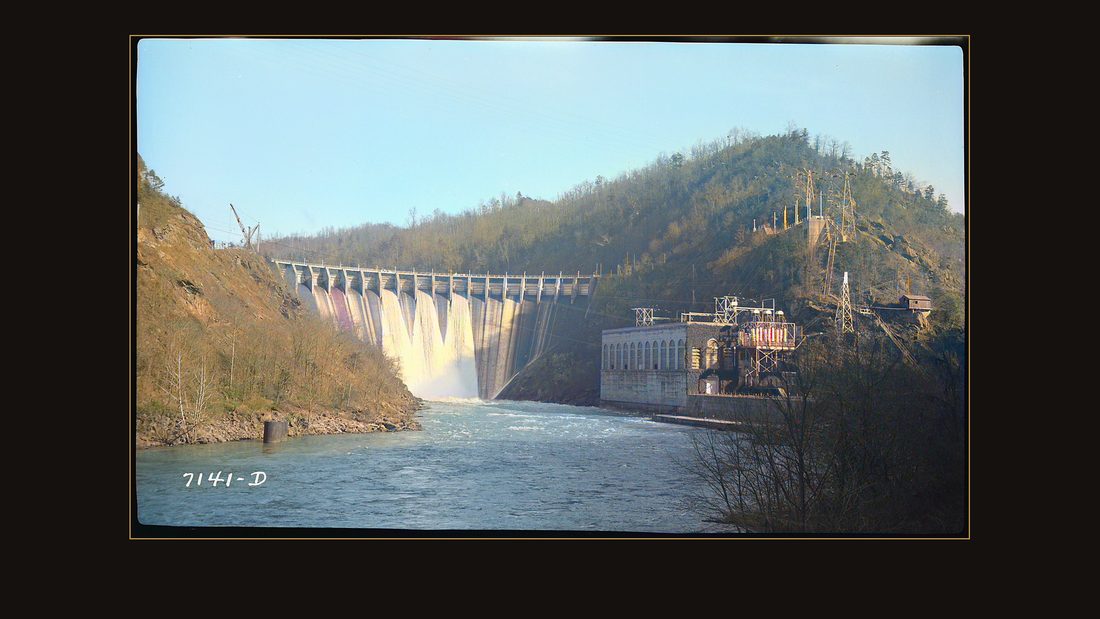
R048 Cheoah Dam
TVA photographer · Murphy, N.C., 1939 · National Archives, RG 142 · AI-colorized. View the original.

Real dams did exist in these mountains — on other rivers, for other owners. This is Cheoah, on the Little Tennessee.
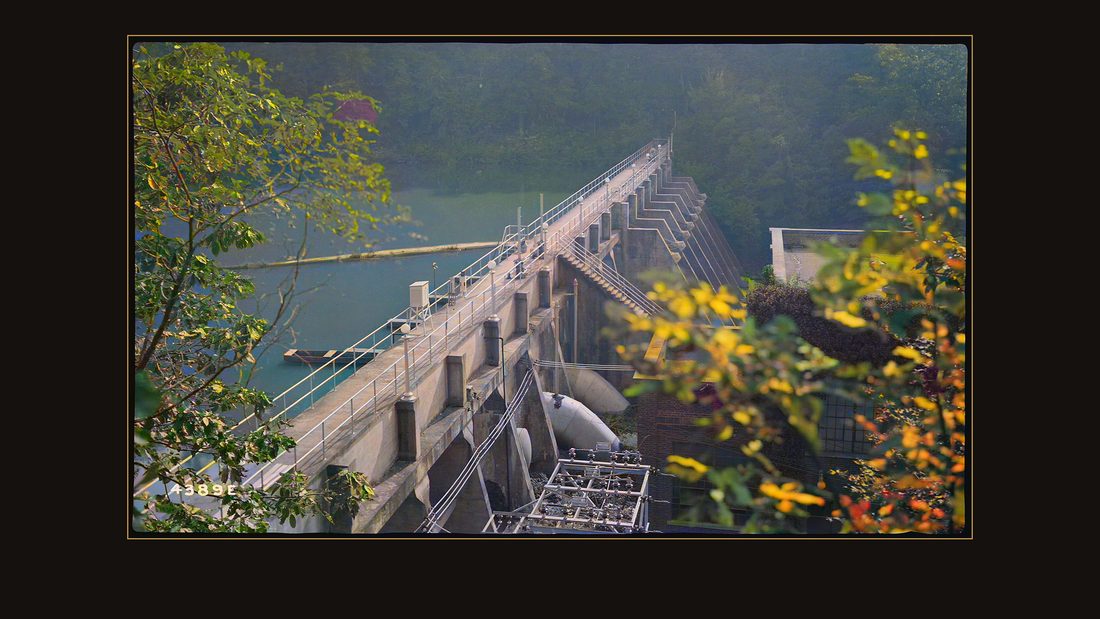
R047 Andrews Dam
TVA photographer · Murphy, N.C., 1938 · National Archives, RG 142 · AI-colorized. View the original.

The town of Andrews built a small plant of its own; it ended up with a subsidiary of the aluminum company. But the big dam on the Hywassee stayed paper, held by a promoter in New York.
The survey
In November and December nineteen thirty-six, government field workers went house to house through the valley ahead of the water. They visited a hundred and eighty-five families, and wrote down what they found.
Here is what they found. Fifty-two percent of the farm families were tenants — renters. In their fathers' generation it had been twenty percent.
And the report says why. The purchase of large tracts of land by hydroelectric power interests and land speculators — forty-seven point eight percent of the tenant farms owned by one company.
Much of this land, the report says, was still occupied by the former owners, who were allowed to remain as tenants. The people who once owned these farms were paying rent on them — to the power company that never built its dam.
For many years, the report adds, a large number of them had rented land on a cash basis from the Southern States Power Company.
The median cash income of a farm family here in nineteen thirty-six: a hundred and ninety-seven dollars for the year.
Names on the negatives
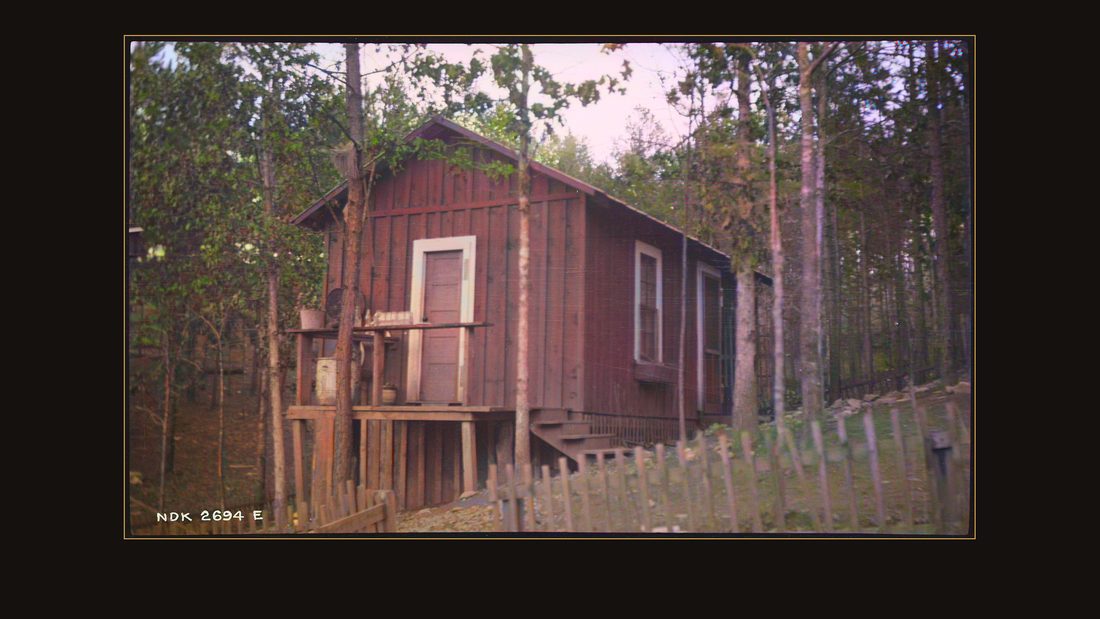
R026 Snow, Atticus F.; home
TVA photographer · Hiwassee, N.C., 1937 · National Archives, RG 142 · AI-colorized. View the original.

The surveyors photographed the houses as they went. Atticus Snow's home. The median value of everything inside a house like this — furniture, stove, bedding — was a hundred and eleven dollars.
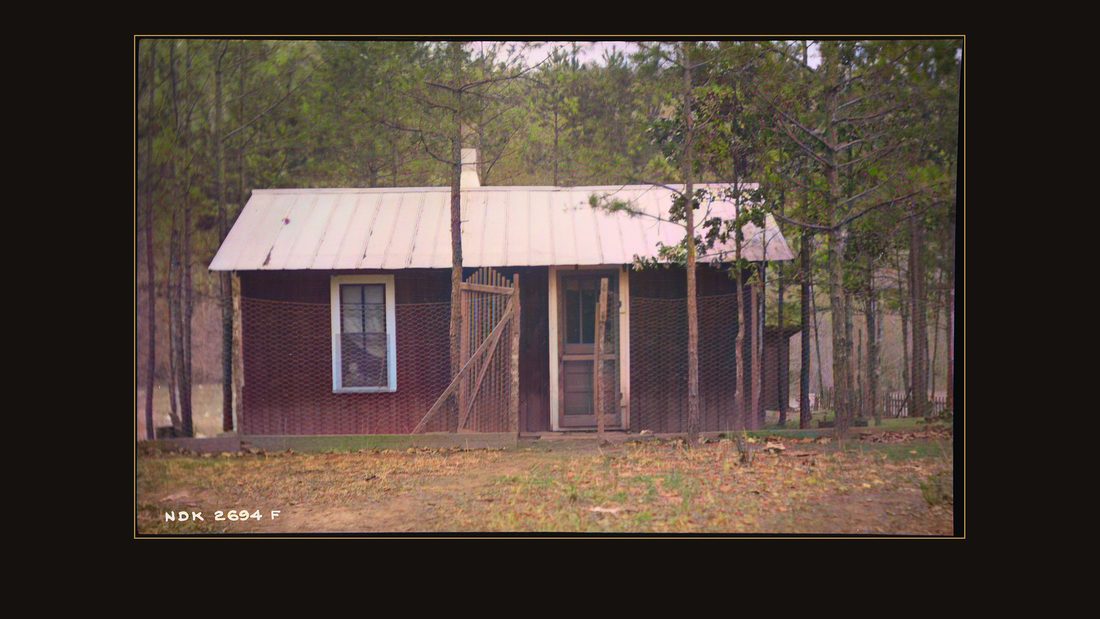
R027 Sorrell, James A.; home
TVA photographer · Hiwassee, N.C., 1937 · National Archives, RG 142 · AI-colorized. View the original.

James Sorrell's.
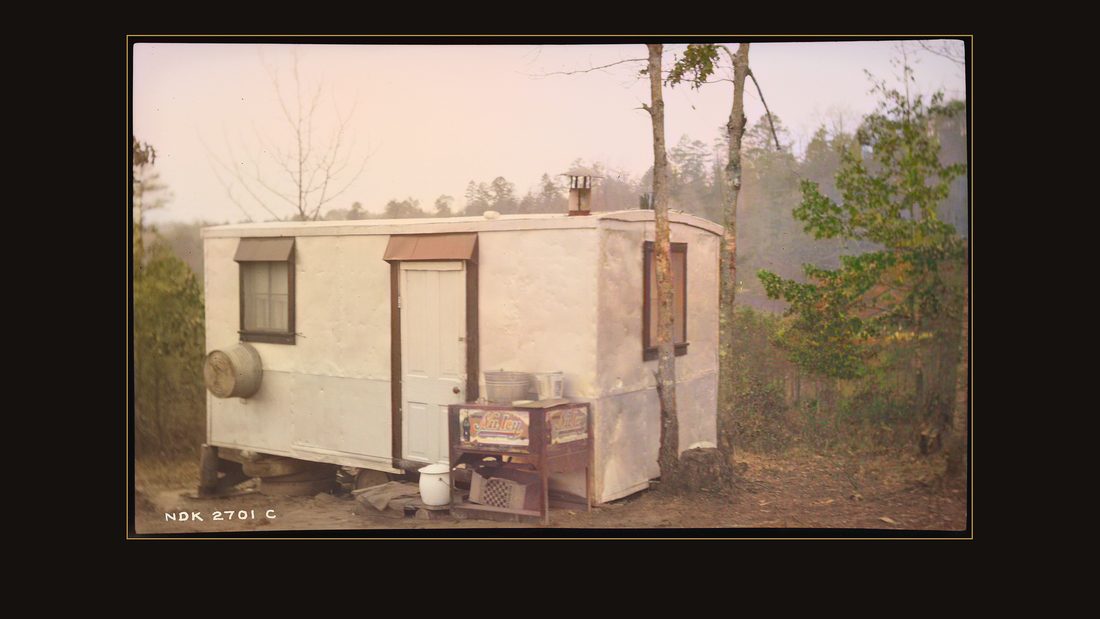
R030 Reynolds, John C.; home
TVA photographer · Hiwassee, N.C., 1937 · National Archives, RG 142 · AI-colorized. View the original.

John Reynolds lived in a trailer.
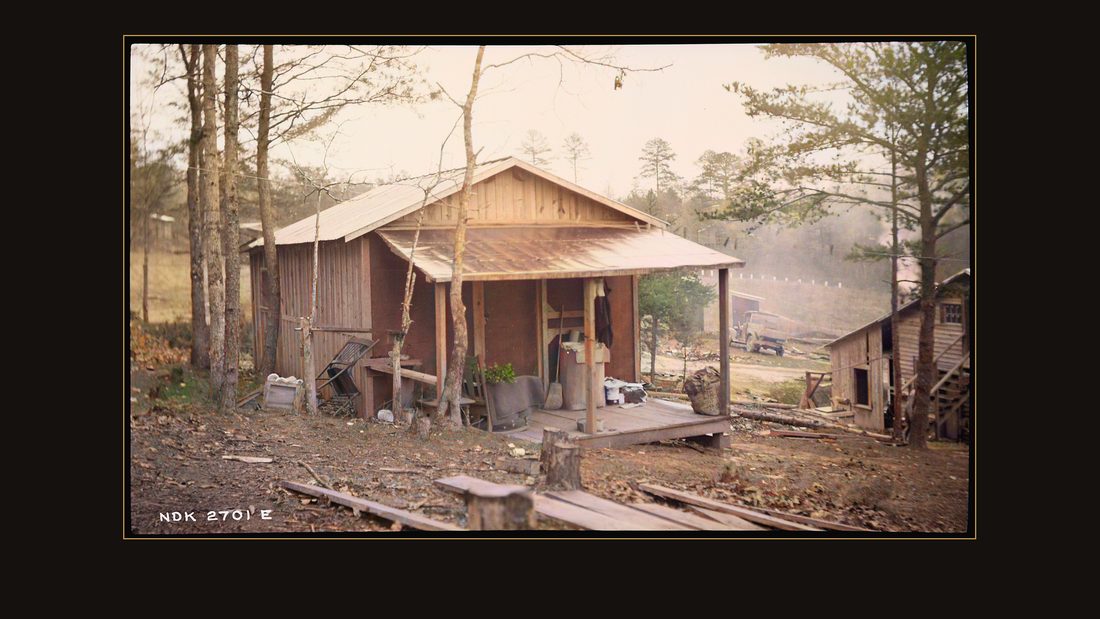
R031 Wilkerson, Roy W.; home
TVA photographer · Hiwassee, N.C., 1937 · National Archives, RG 142 · AI-colorized. View the original.

Roy Wilkerson's porch.
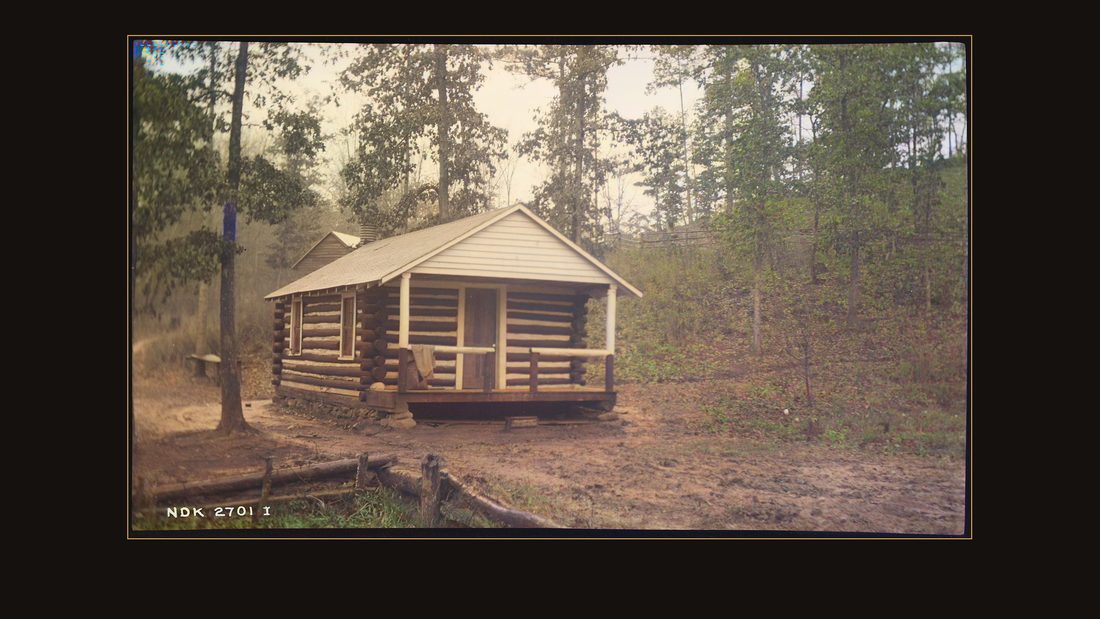
R033 Smith, Arthur E
TVA photographer · Hiwassee, N.C., 1937 · National Archives, RG 142 · AI-colorized. View the original.

Arthur Smith's log cabin.
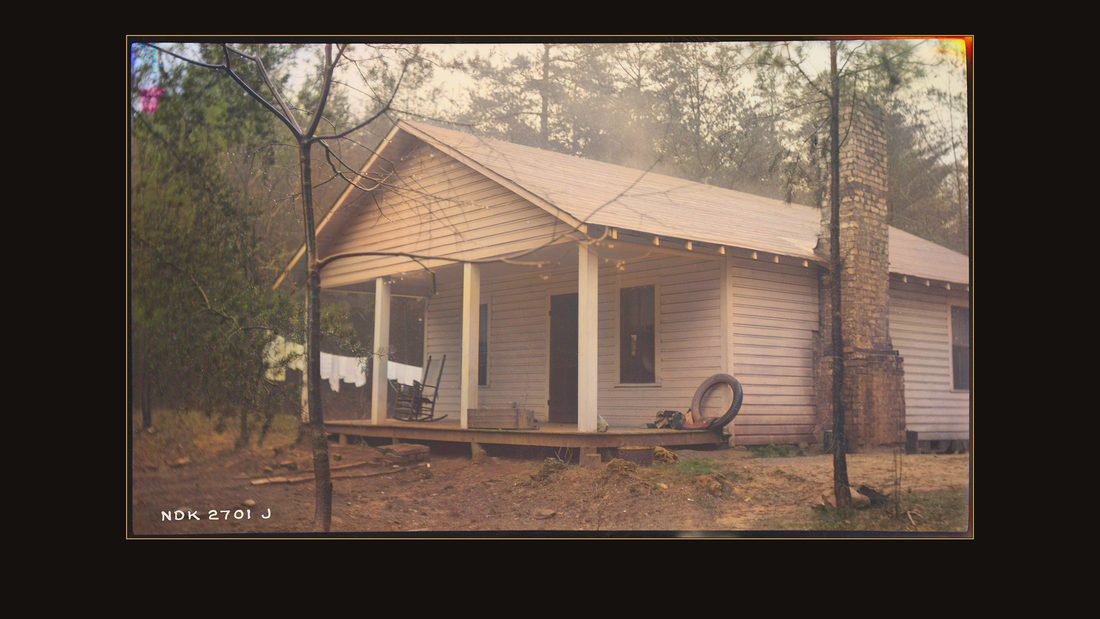
R034 Rigsby, Delta B.; home
TVA photographer · Hiwassee, N.C., 1937 · National Archives, RG 142 · AI-colorized. View the original.

Delta Rigsby's, with the wash hung on the porch.
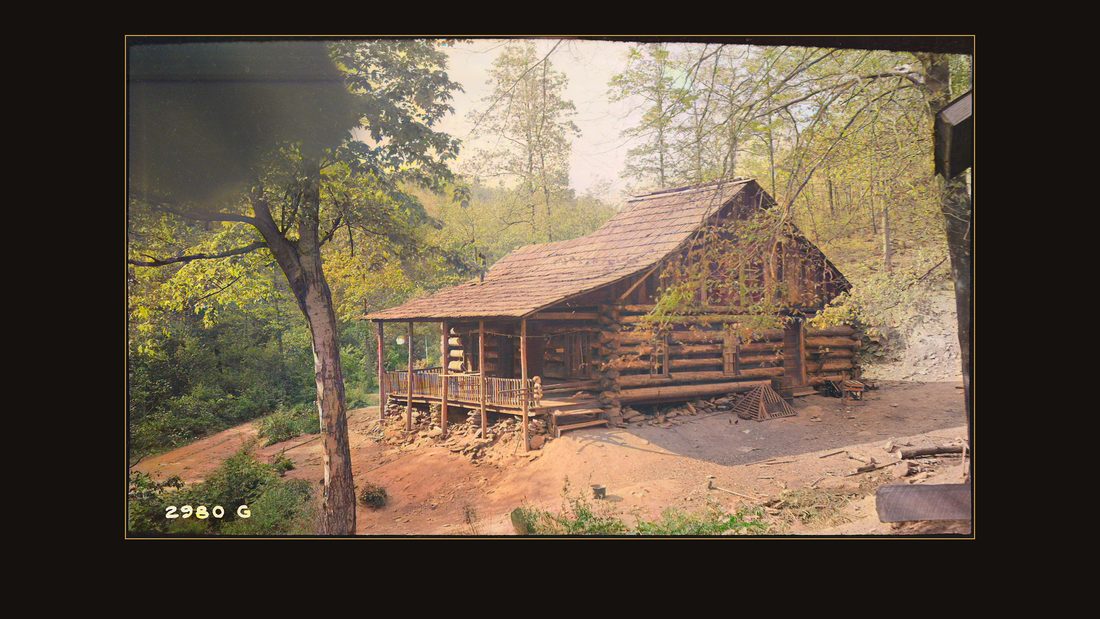
R036 Queen, Otis; home
TVA photographer · Hiwassee, N.C., 1938 · National Archives, RG 142 · AI-colorized. View the original.

Otis Queen's.
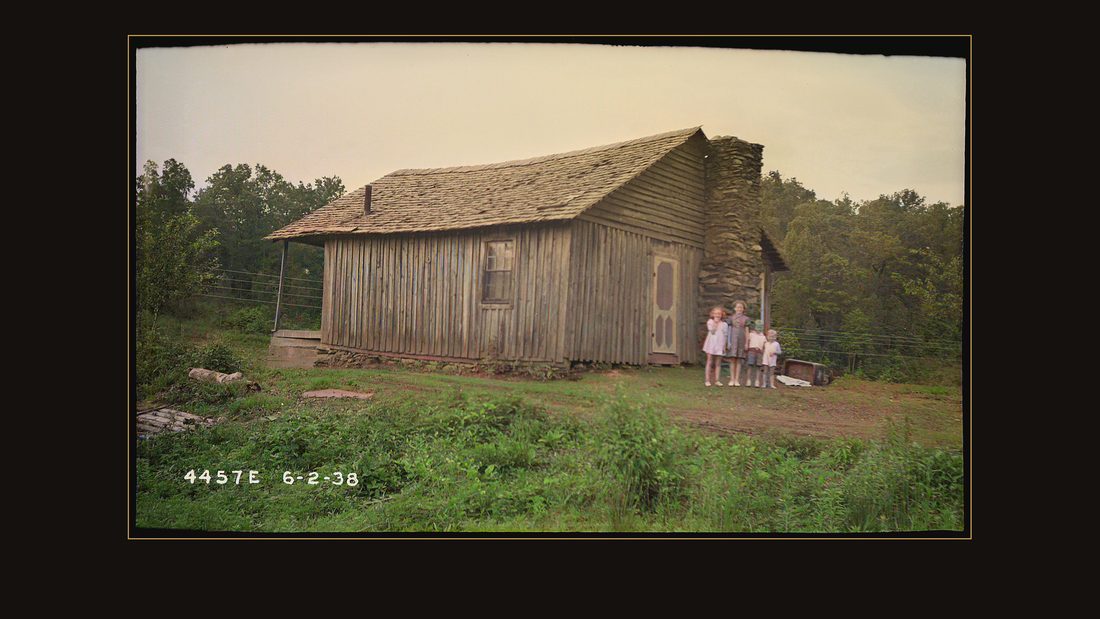
R037 Holland, William H.; home
TVA photographer · Hiwassee, N.C., 1938 · National Archives, RG 142 · AI-colorized. View the original.

William Holland's family, out front.
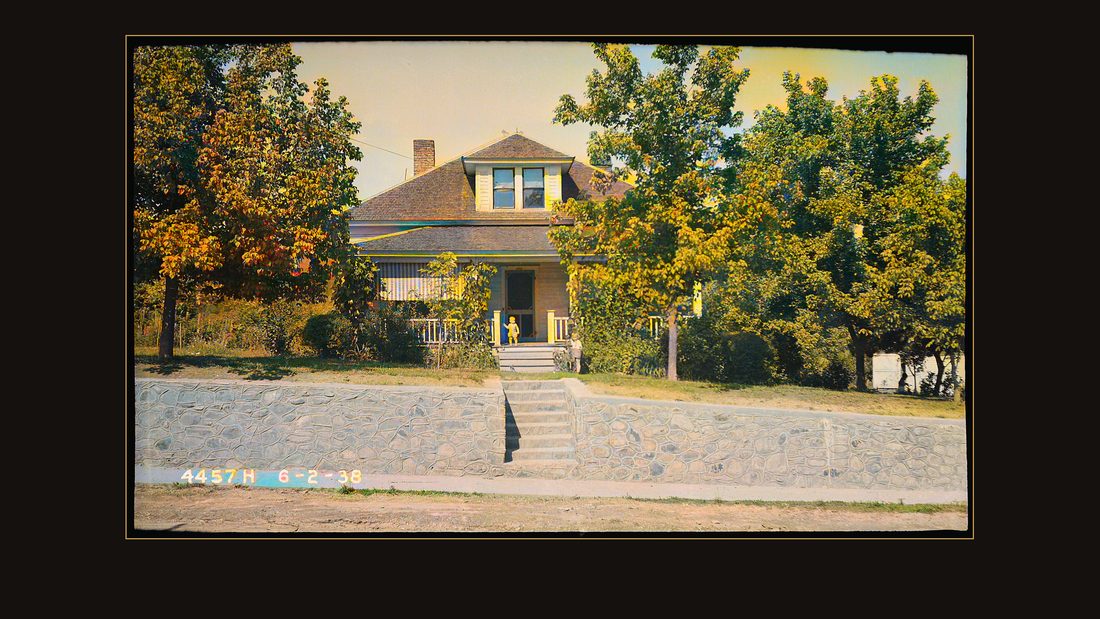
R039 Weathers, Julian N.; home
TVA photographer · Hiwassee, N.C., 1938 · National Archives, RG 142 · AI-colorized. View the original.

Julian Weathers's two-story house. Not everyone here was poor — the report is careful about that.
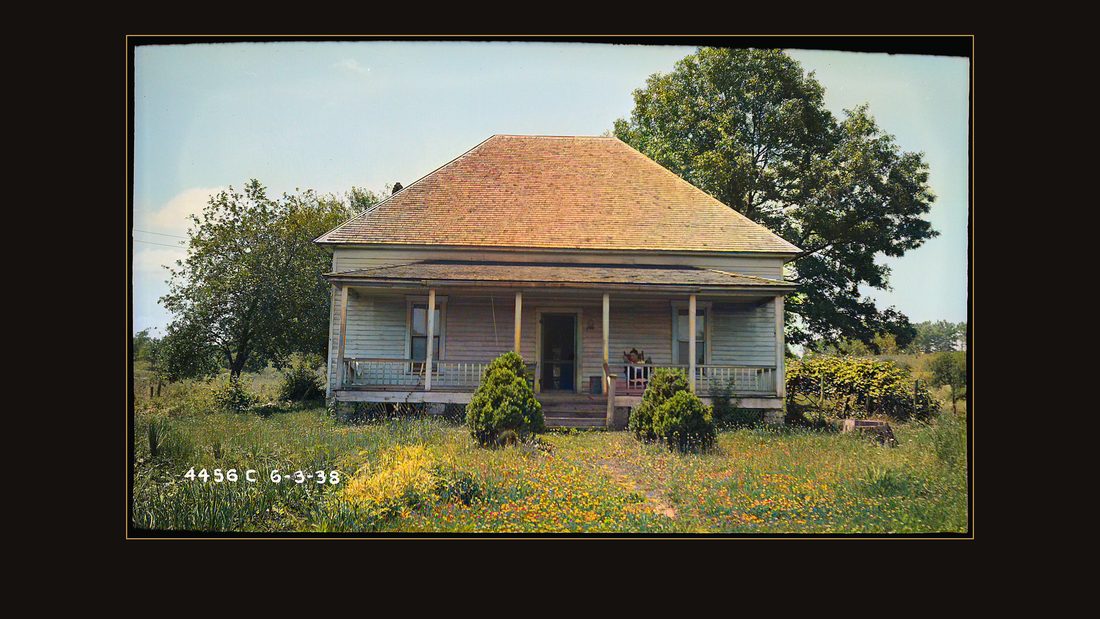
R041 Whitmire, Doy
TVA photographer · Hiwassee, N.C., 1938 · National Archives, RG 142 · AI-colorized. View the original.

Doy Whitmire's, under the hip roof.
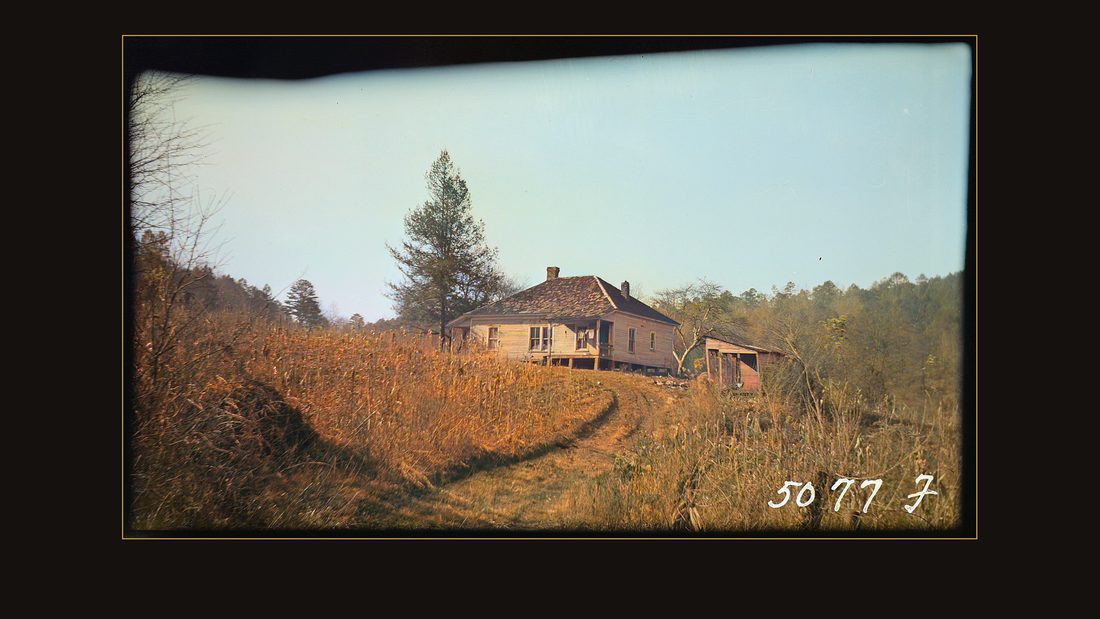
R043 Habble, Elwood; tenant home
TVA photographer · Murphy, N.C., 1938 · National Archives, RG 142 · AI-colorized. View the original.

And the houses with no owner's name at all. Elwood Habble's file reads: tenant home.
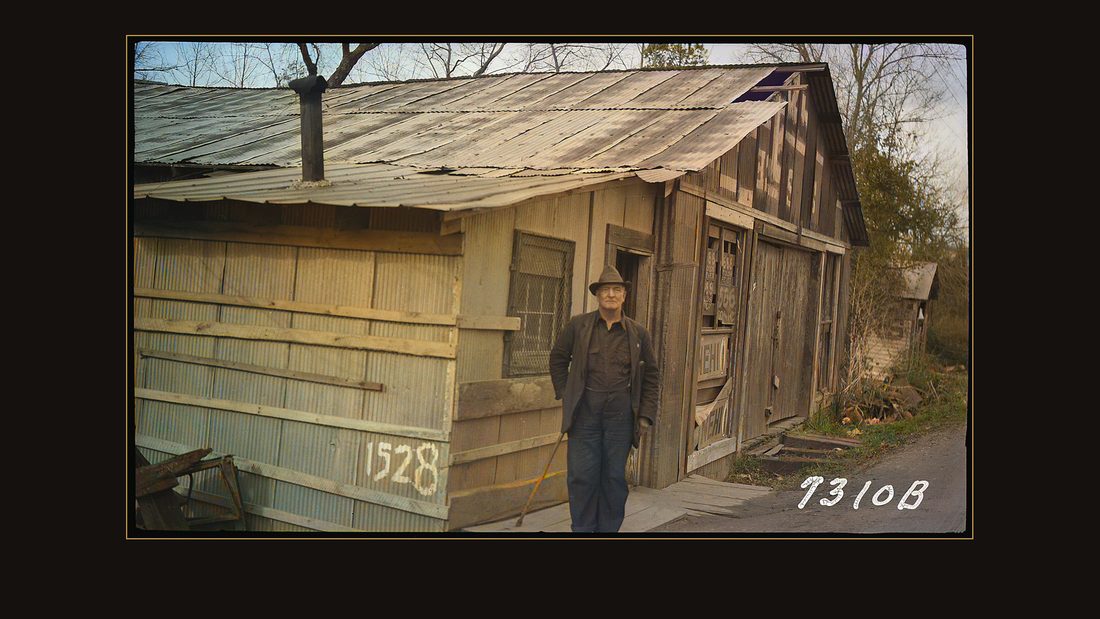
R044 Grace, E.H.; tenant home
TVA photographer · Murphy, N.C., 1938 · National Archives, RG 142 · AI-colorized. View the original.

E. H. Grace's: tenant home.
Bought twice
In August nineteen thirty-five, Congress authorized a dam on the Hywassee. TVA's board approved it in January. Ground broke July fifteenth, nineteen thirty-six — the government was building what the promoters had only ever sold.
TVA's report introduces it plainly: the second tributary storage dam the Authority built. Its site — the same stretch of gorge the promoters had surveyed in the twenties.
The bend was named for the Fowler family, who settled it in eighteen fifty-three and, in the report's words, lived there for more than sixty years. For a while the project was called Fowler Bend Dam.
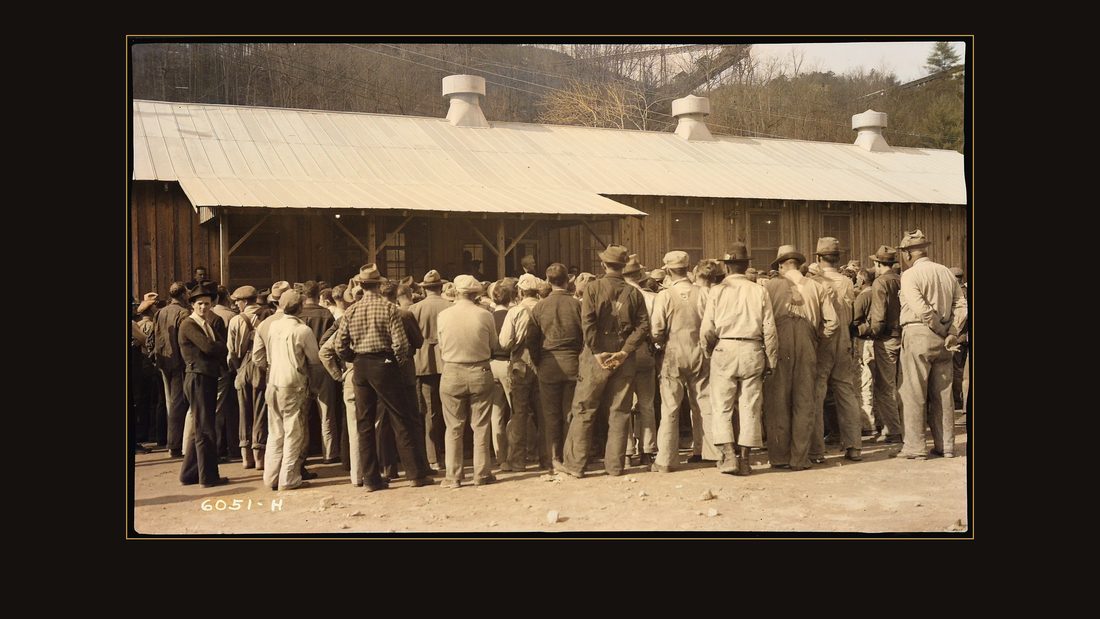
R050 Norris, Senator; speaking to a crowd
TVA photographer · Cherokee, N.C., 1938 · National Archives, RG 142 · AI-colorized. View the original.

Senator George Norris — the man the first TVA dam is named for — came to Cherokee County in nineteen thirty-eight and spoke to a crowd.
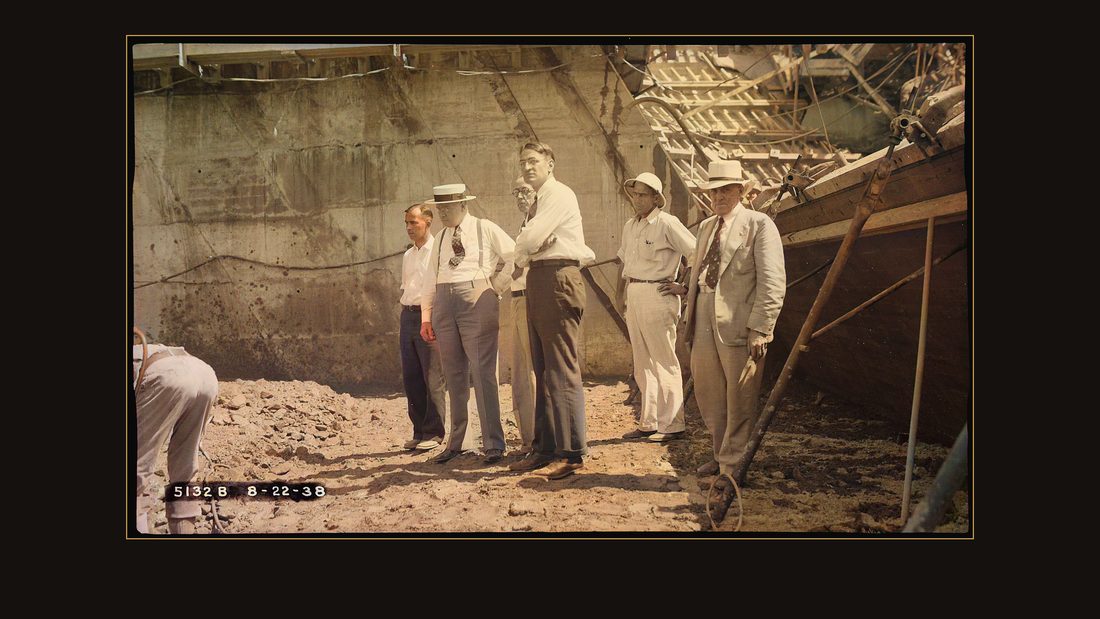
R051 Investigating Committee
TVA photographer · Hiwassee, N.C., 1938 · National Archives, RG 142 · AI-colorized. View the original.

An investigating committee walked the dam site.
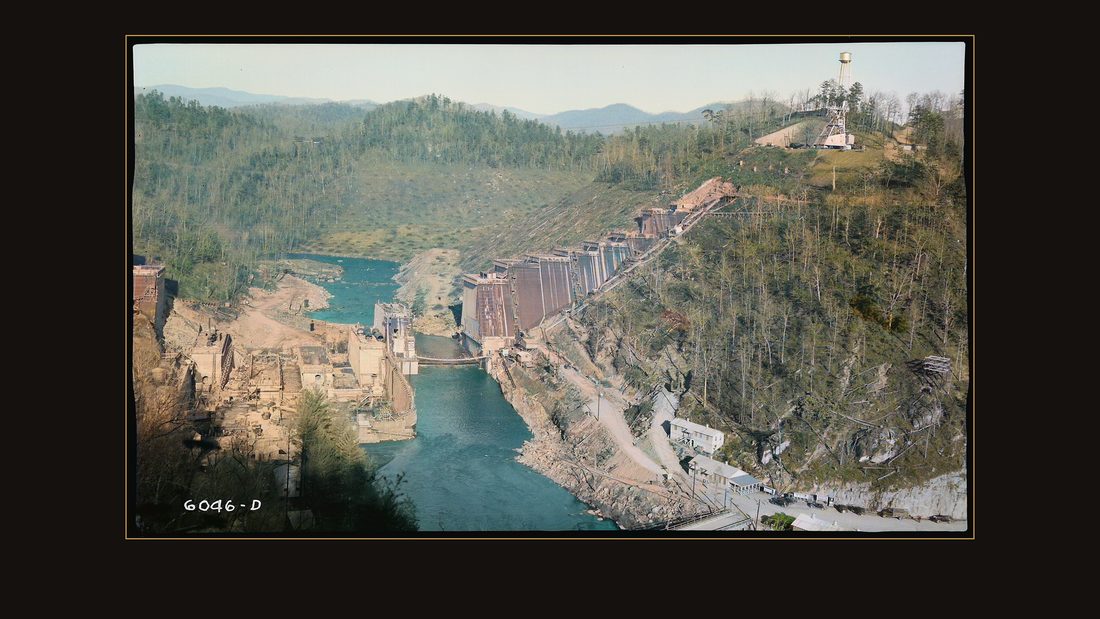
R052 Hiwassee Dam, a general view
TVA photographer · Cherokee, N.C., 1938 · National Archives, RG 142 · AI-colorized. View the original.

The dam rose in the gorge.
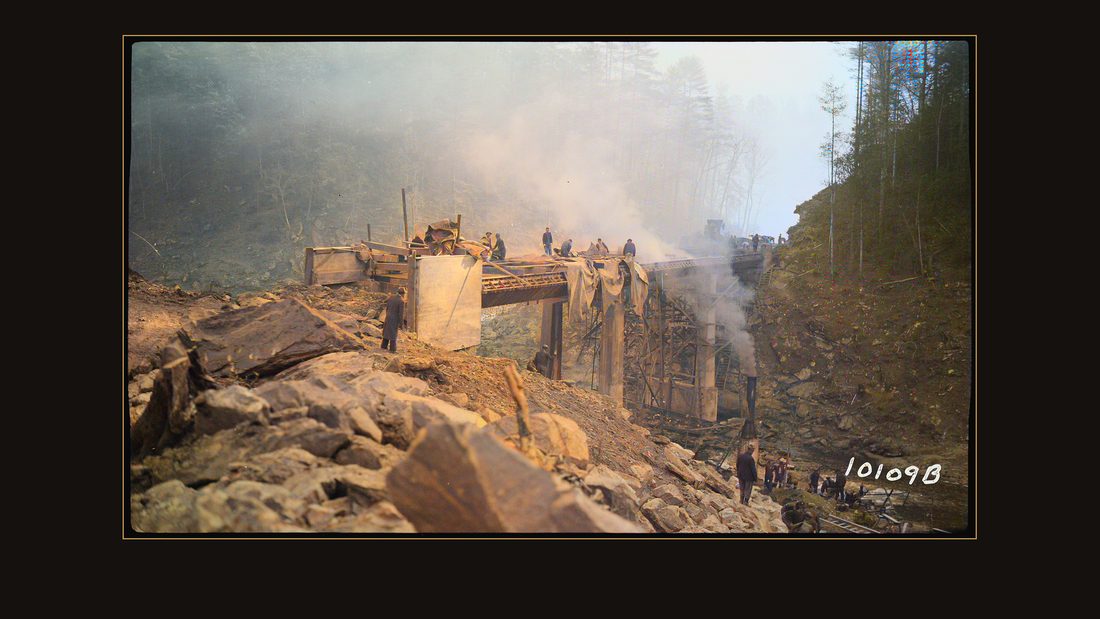
R054 Hanging Dog Bridge
TVA photographer · Murphy, N.C., 1940 · National Archives, RG 142 · AI-colorized. View the original.

A new bridge went up at Hanging Dog, over an arm the lake would fill.
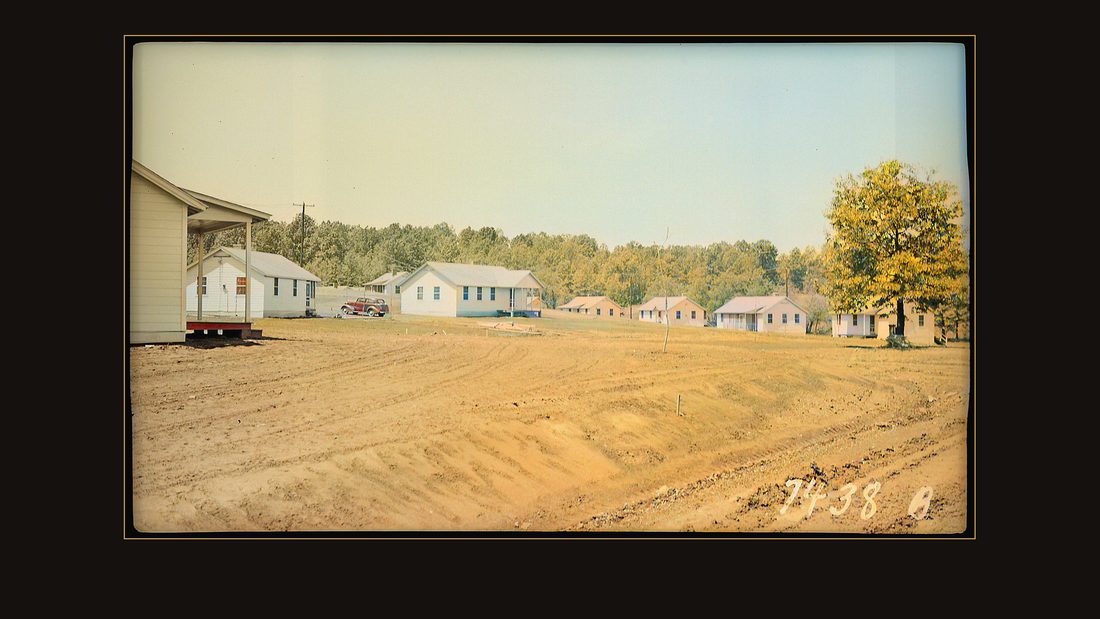
R056 Street scene
TVA photographer · Hiwassee, N.C., 1938 · National Archives, RG 142 · AI-colorized. View the original.

TVA built itself a village at the dam site. Streets of houses.
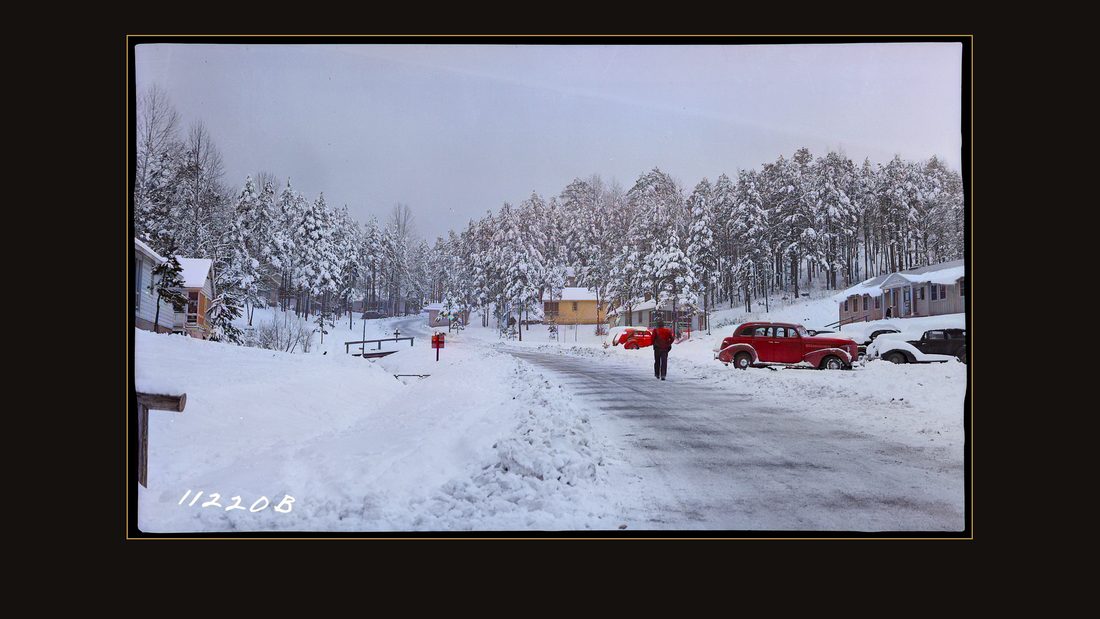
R059 Hiwassee Village after a nine inch snowfall
TVA photographer · Hiwassee Reservoir area, N.C., 1940 · National Archives, RG 142 · AI-colorized. View the original.

In the last winter of construction, the snow came nine inches deep.
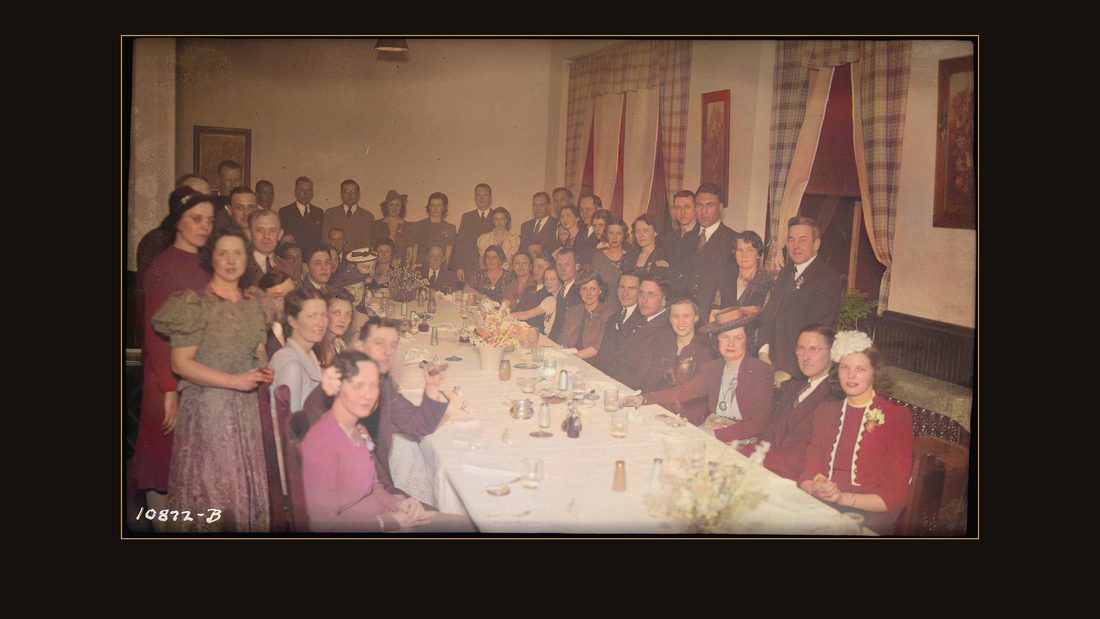
R060 Laurgaard, Mr. and Mrs.; hosting dinner for the Hiwassee engineers
TVA photographer · Hiwassee Reservoir area, N.C., 1940 · National Archives, RG 142 · AI-colorized. View the original.

The project engineer and his wife hosted dinner for the staff. White tablecloths, in a company town three years old.
The price
Now the buying. The reservoir required twenty-four thousand and ninety-two acres. Ten thousand eight hundred of them — nearly half — were the property of the Southern States Power Company, owned by W. V. N. Powelson.
For the families, the rules were strict. Prices were fixed by TVA's appraisal staff, and no price-trading was permitted. The figure was the figure — you could not get more, or less. Of the land the company did not own, ninety-one and a half percent sold at that figure, voluntarily.
Two hundred and sixty-one families were displaced.
Sixty-six owned their farms. Ninety-five were farm tenants. Ten owned houses in town, and ninety rented them. Only seventy-six of the two hundred sixty-one owned anything at all.
The average owner family, after taxes and mortgages were settled, had less than two thousand dollars to start over with.
Powelson against the United States
The company started over in federal court. It demanded to be paid not for mountain land, but for a dam site — seven and a half million dollars.
The government's appraisal of the same property: somewhere between ninety-five thousand and a hundred sixty-five thousand.
The court record even adopted the promoter's name for the gorge. The opinion calls it the Powelson site.
Both lower courts sided with the company. In May nineteen forty-three the Supreme Court reversed — a landowner is paid for what he owns, not for the government-sized project he imagined owning. The claim settled by agreement, eight years after the first concrete was poured.
Moving
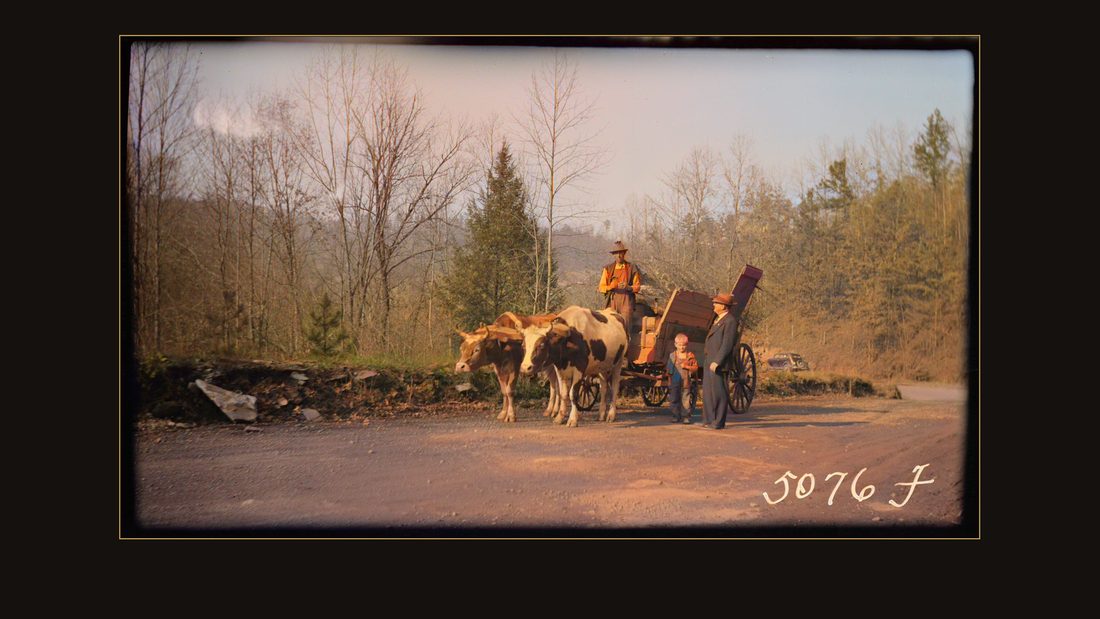
R061 Clonts, Harrison; moving
TVA photographer · Murphy, N.C., 1938 · National Archives, RG 142 · AI-colorized. View the original.

So the man who held nearly half the valley argued his price through three courts. The families took the appraisal figure, and loaded the wagons. This is Harrison Clonts, moving.
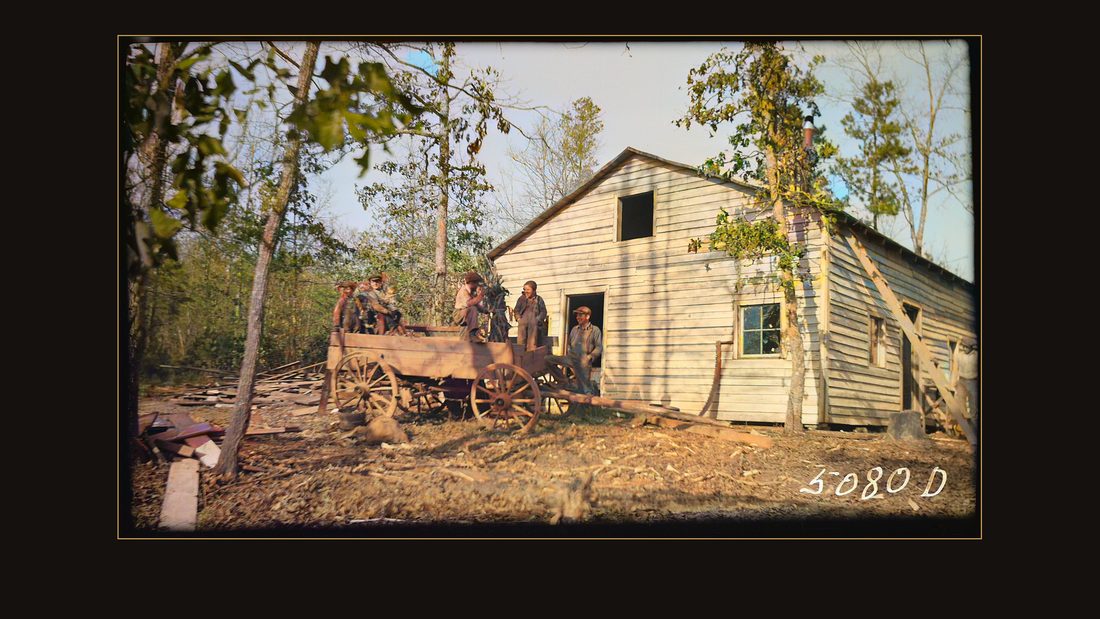
R062 Hogshed, J.E.; family moving
TVA photographer · Murphy, N.C., 1938 · National Archives, RG 142 · AI-colorized. View the original.

J. E. Hogshed's family, moving.
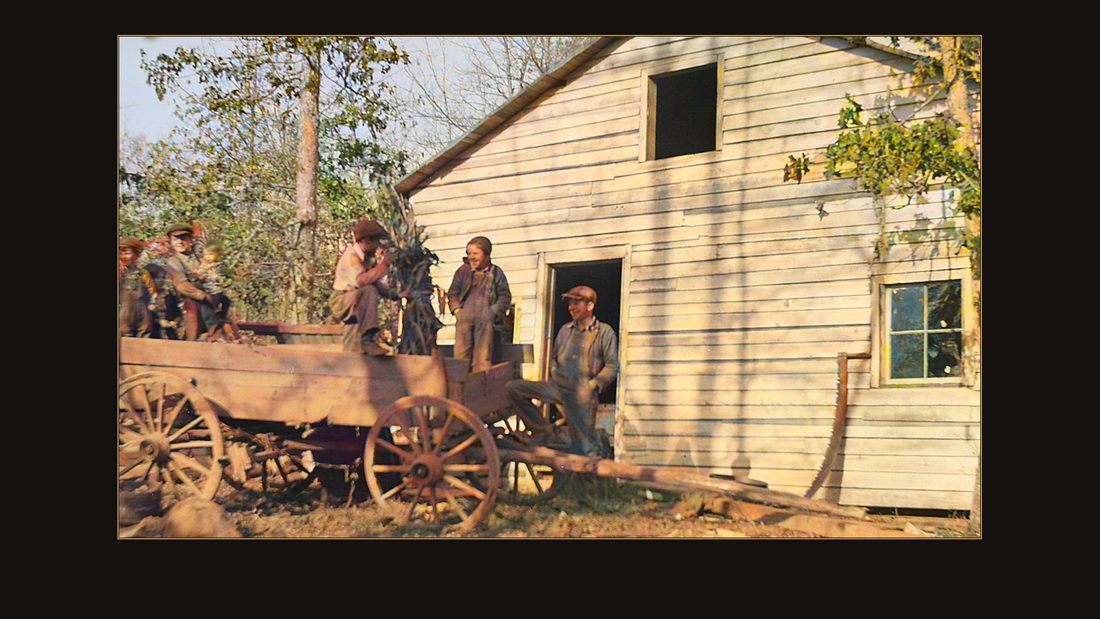
D03 Hogshed, J.E.; family moving
TVA photographer · Murphy, N.C., 1938 · National Archives, RG 142 · AI-colorized. View the original.
The household goods ride the wagon bed.
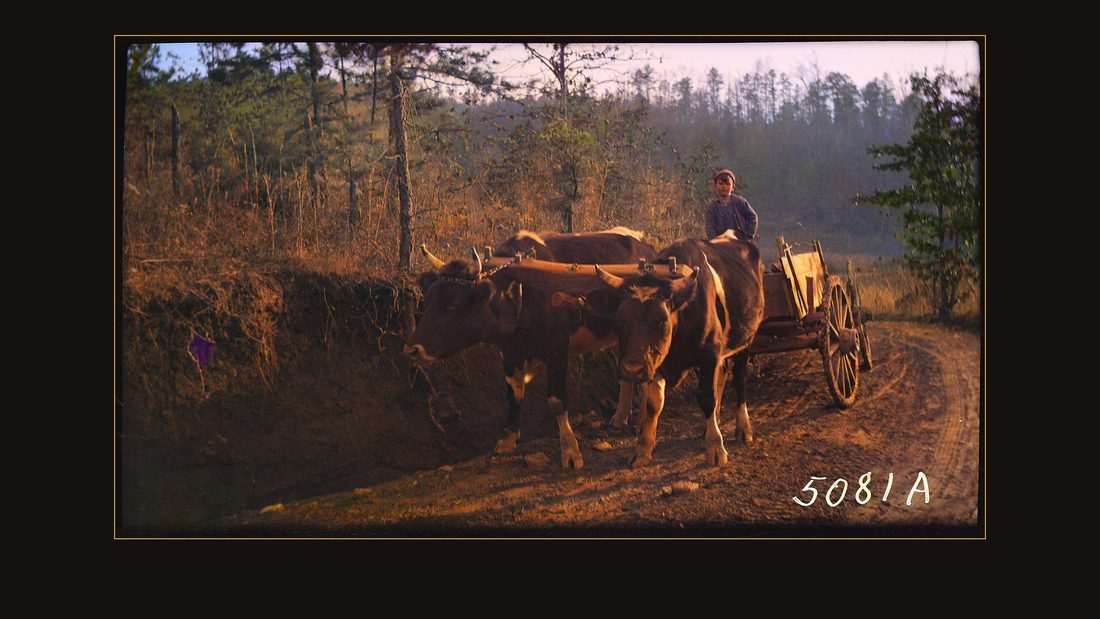
R063 Hogshed, J.E.; with steers
TVA photographer · Murphy, N.C., 1938 · National Archives, RG 142 · AI-colorized. View the original.

Hogshed's steers on the road.
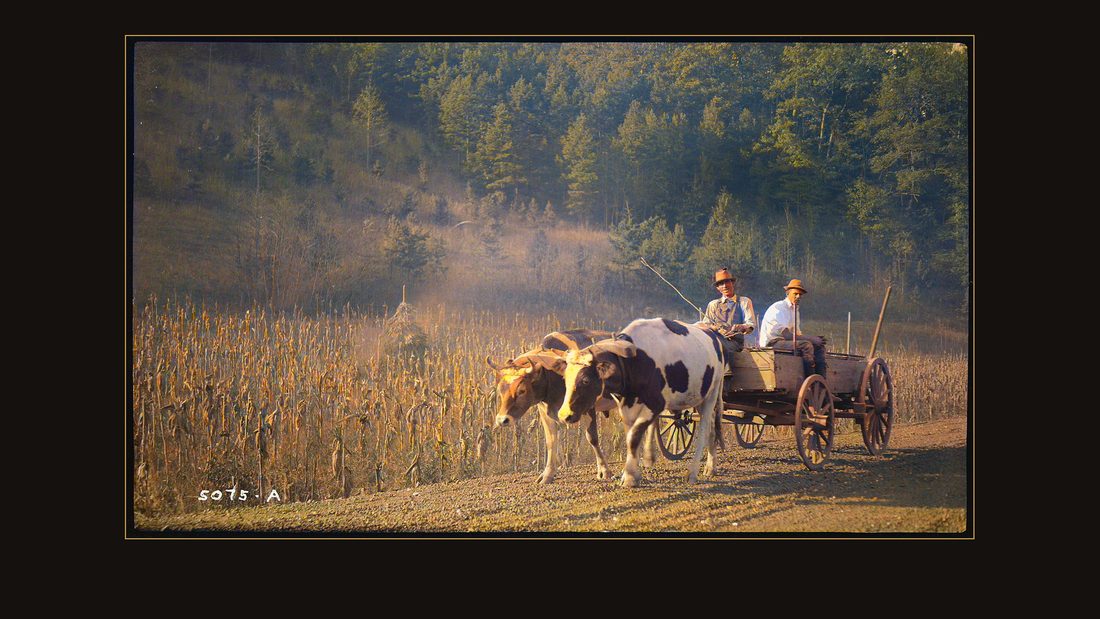
R064 Clants, B.H.; with steers
TVA photographer · Murphy, N.C., 1938 · National Archives, RG 142 · AI-colorized. View the original.

The Clants family, hauling out past the corn.
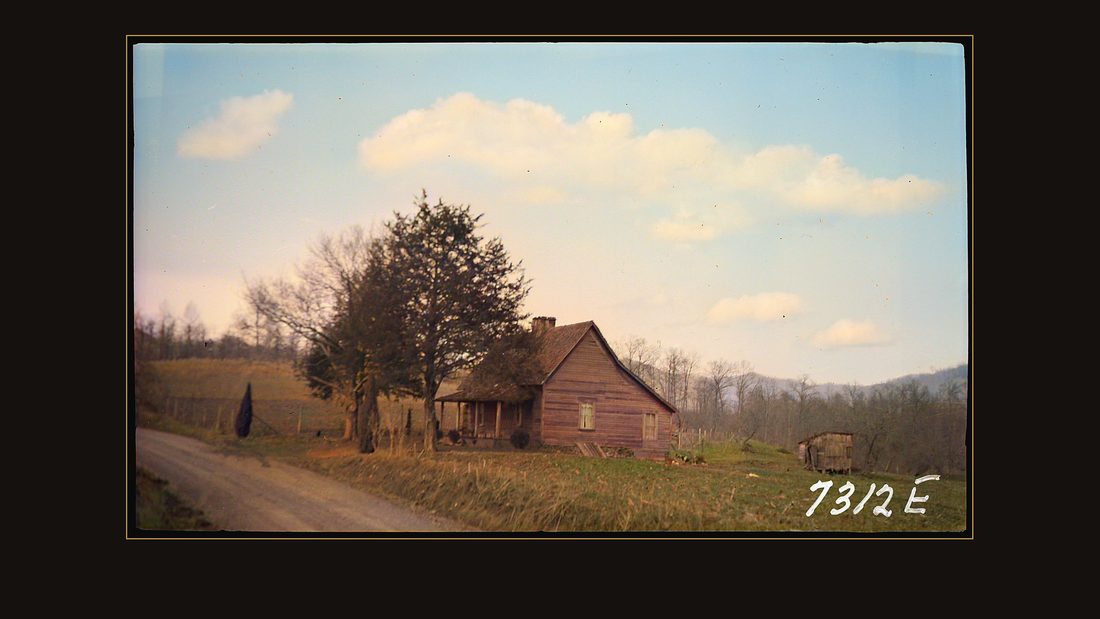
R066 Clonts, Docia Mrs.; home
TVA photographer · Murphy, N.C., 1938 · National Archives, RG 142 · AI-colorized. View the original.

The common date to surrender possession: December thirty-first, nineteen thirty-eight.
The graves
Twenty-two cemeteries, holding one thousand two hundred forty-five graves, lay inside the purchase line. Only three would actually go under water — but the roads to ten more would drown.
In the summer of nineteen thirty-eight, TVA crews moved four hundred sixty-two graves to nineteen nearby cemeteries. The relatives of a hundred and nine more chose to let them stay. The report lists the grounds by name — Hywassee Baptist Church. Pleasant Grove. And a single grave, moved alone, under the name Clark.
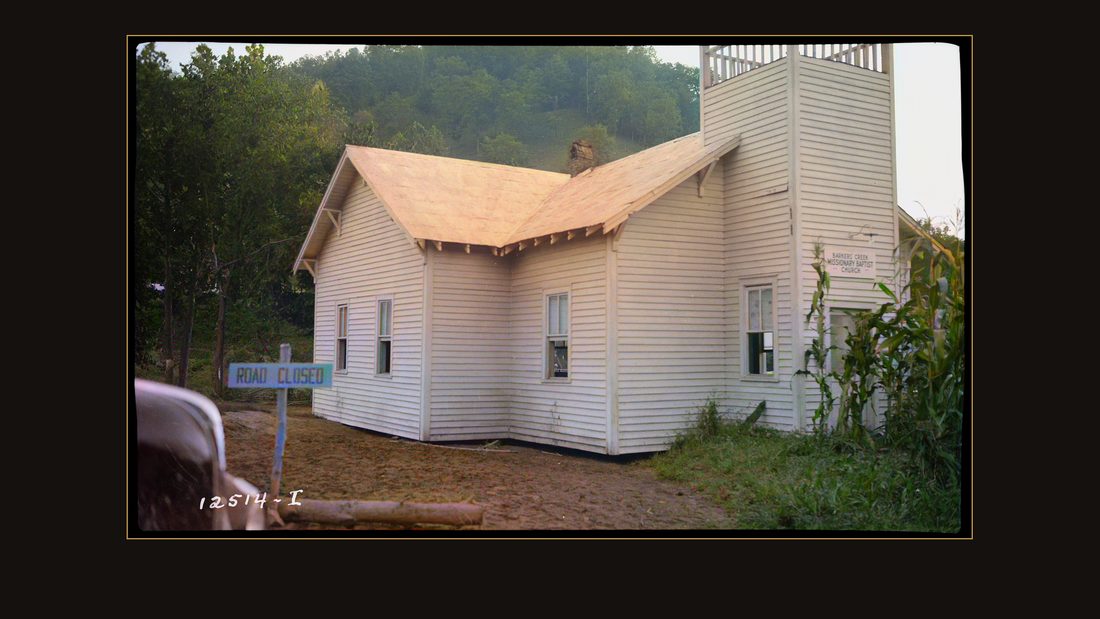
R065 Barkers Creek Church
TVA photographer · Hiwassee Reservoir area, N.C., 1940 · National Archives, RG 142 · AI-colorized. View the original.

Barkers Creek Church, photographed in nineteen forty.
The water
On February eighth, nineteen forty, the gates closed and the river began to back up behind the dam. The first generator came on line in May. Murphy's old municipal plant — the one the promoters bought in twenty-four — went under the lake.
Murphy itself was the only town the water touched. It lost forty-two thousand dollars off the tax rolls — about seven hundred fifty dollars a year in taxes. New business at the dam made that up within the year.
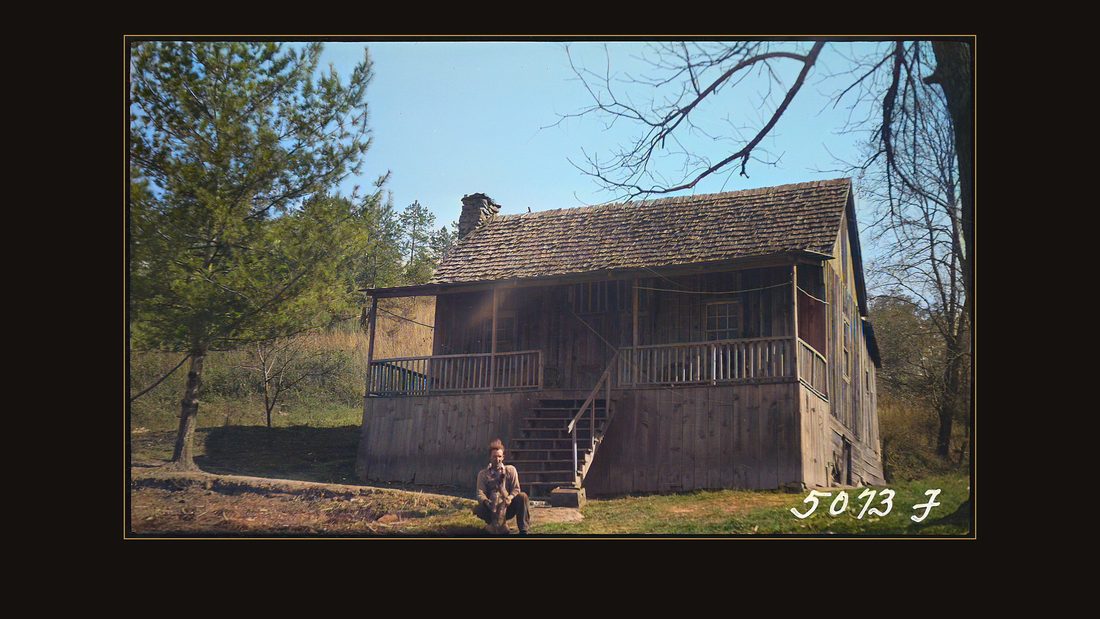
R067 Rogers, J.A.; in front of his home
TVA photographer · Murphy, N.C., 1938 · National Archives, RG 142 · AI-colorized. View the original.

The families scattered less than you might think. Eighty-two percent stayed in Cherokee County.
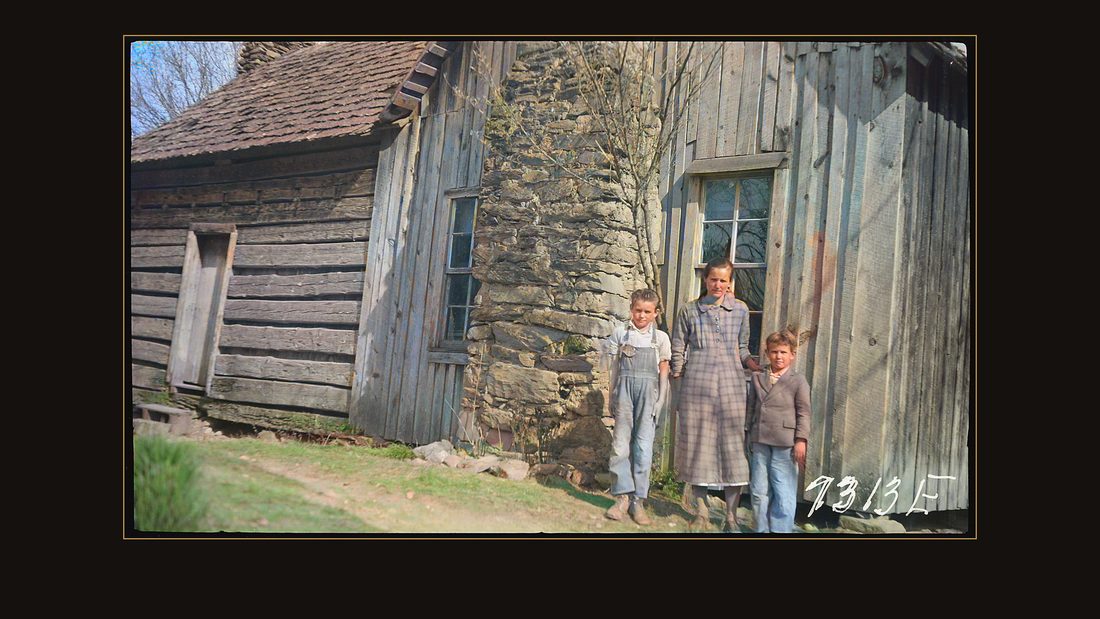
R068 Hogshed, P.C.; wife and children in front of home
TVA photographer · Murphy, N.C., 1938 · National Archives, RG 142 · AI-colorized. View the original.

Mrs. P. C. Hogshed and her children, in front of the family's place.
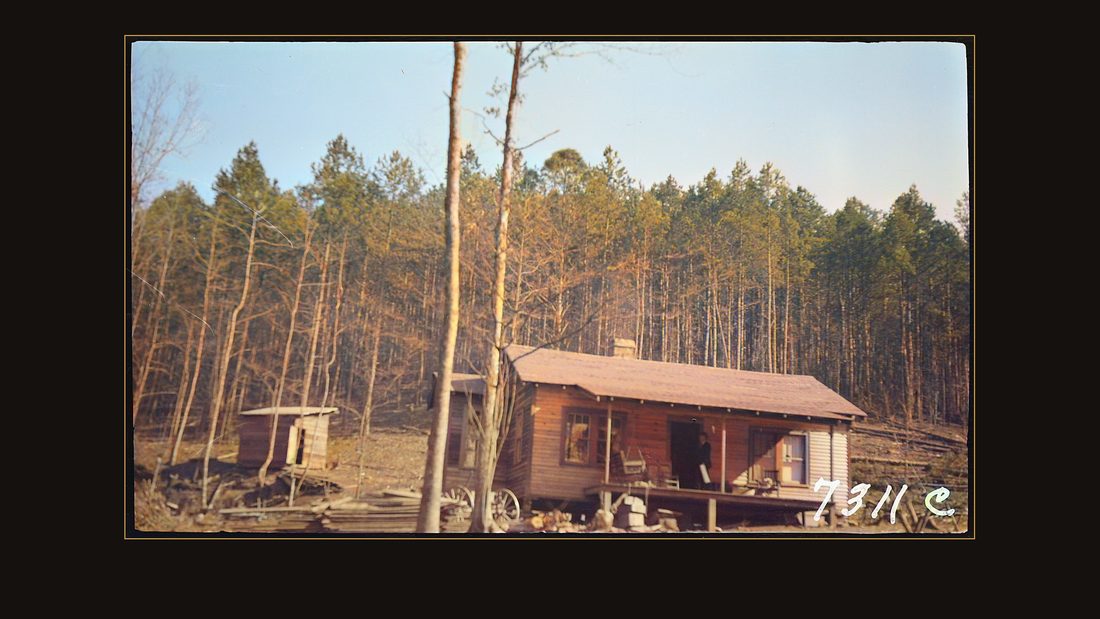
R069 Rose, Eliza; home
TVA photographer · Murphy, N.C., 1938 · National Archives, RG 142 · AI-colorized. View the original.

Eliza Rose's house.
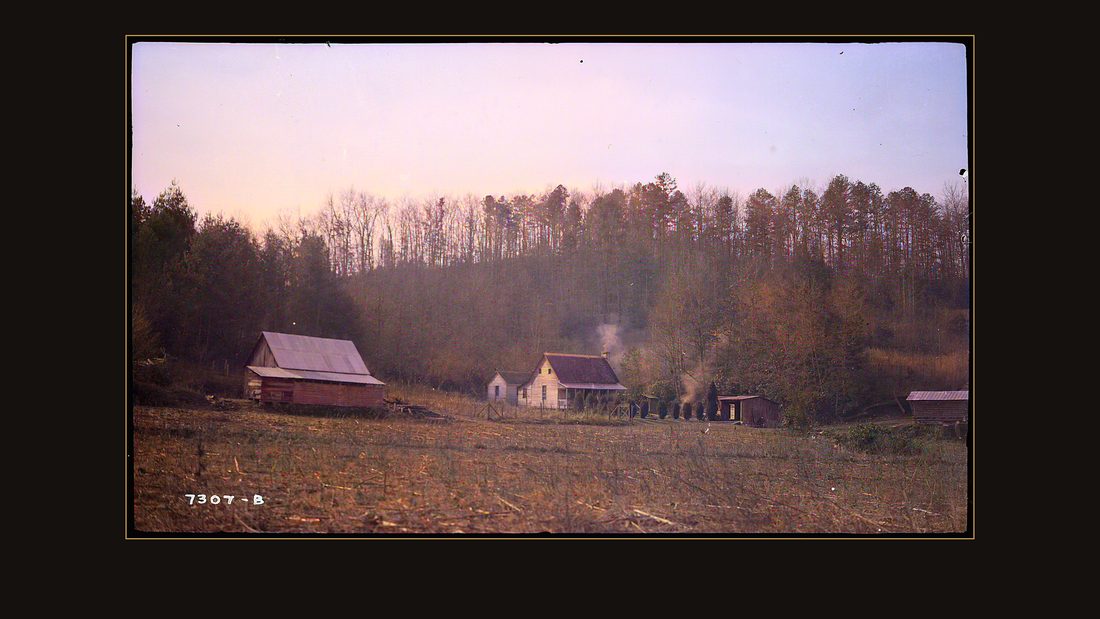
R070 Graham, Earnest; home
TVA photographer · Murphy, N.C., 1938 · National Archives, RG 142 · AI-colorized. View the original.

Ninety-one of the displaced families drew TVA wages during the building years. Forty-seven tenant families used them to buy farms of their own.
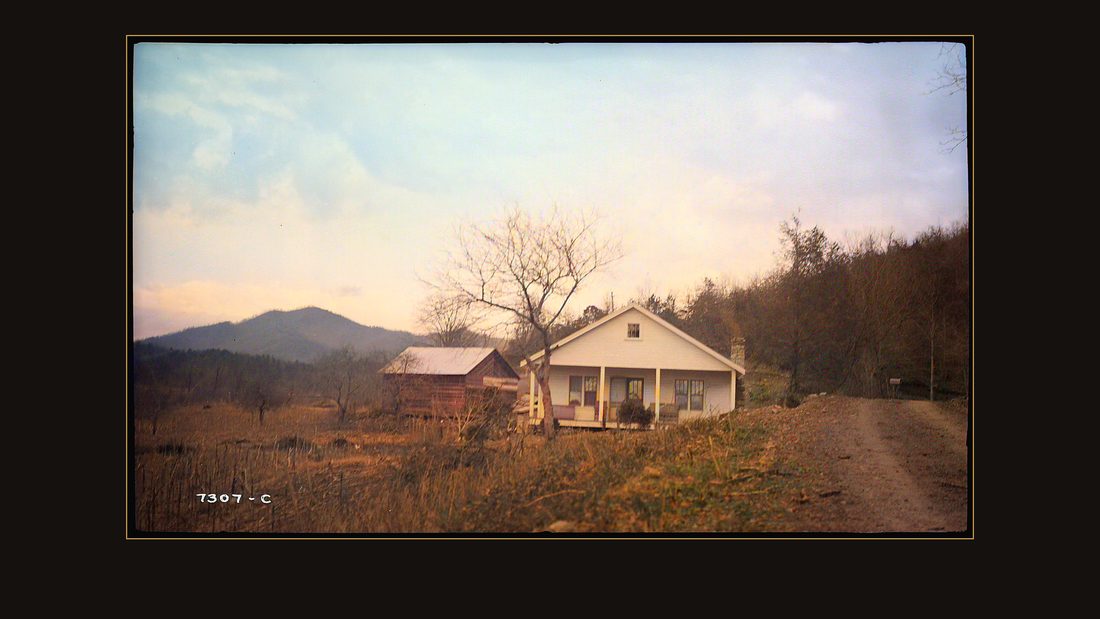
R071 Stiles, Carl; home
TVA photographer · Murphy, N.C., 1938 · National Archives, RG 142 · AI-colorized. View the original.

Ownership among the reservoir families rose from twenty-nine percent to forty-four. That number is in the government's report too, and fairness says it out loud.
Who set the price
The whole project cost sixteen point eight million dollars. The land — every farm, every store, every grave moved, every family's price — was two point four million of it.
So the valley was bought three times. Once by promoters, who turned its owners into their own tenants. Once in a courtroom, where the promoter asked seven and a half million for a dam he never built, and the Supreme Court said no.
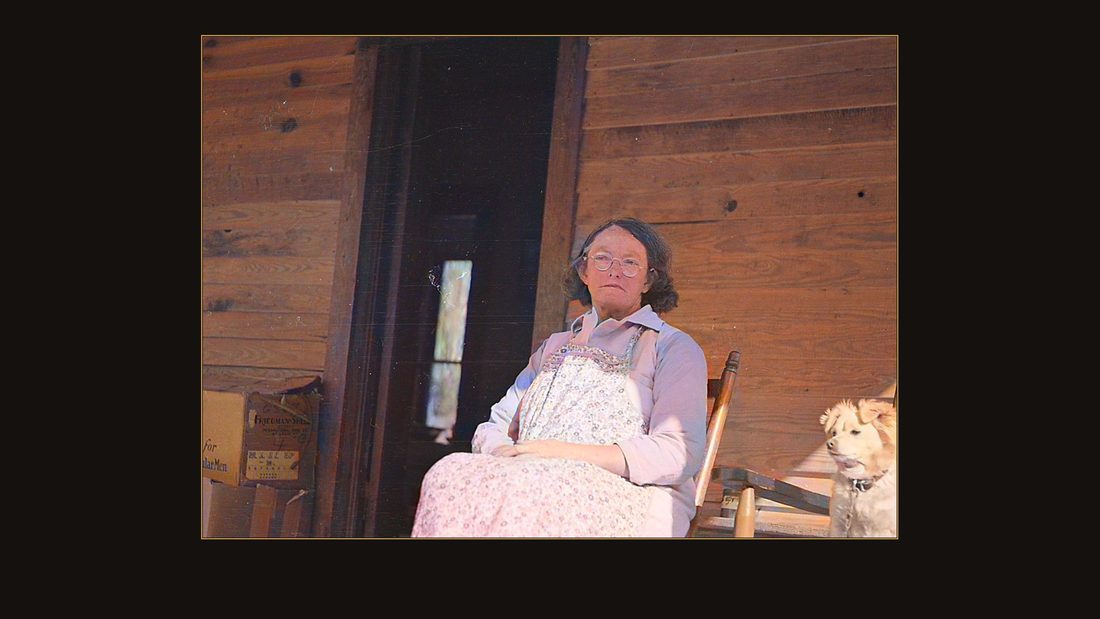
D04 Rose, Eliza; sitting on front porch
TVA photographer · Murphy, N.C., 1938 · National Archives, RG 142 · AI-colorized. View the original.
And once by the government, at the appraised figure, no bargaining allowed — from families who earned a hundred ninety-seven dollars a year and had no lawyer in New York. The company's price took eight years and three courts. The families' price was settled the day the appraiser wrote it down.
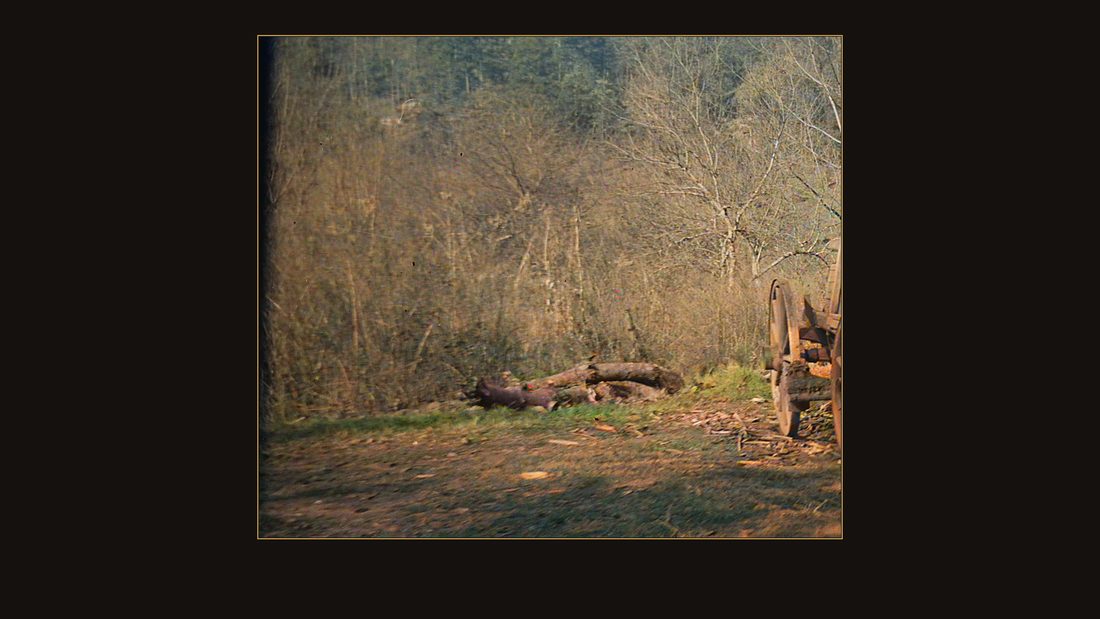
D05 Elwood, Henry; moving
TVA photographer · Murphy, N.C., 1938 · National Archives, RG 142 · AI-colorized. View the original.
The negatives went into a federal file in Atlanta, names attached, and sat there for ninety years. If your people were in this valley — a Clonts, a Hogshed, a Stiles, a Rose — the pictures are free, and the machine's colors can be corrected. The links are below, and there is a question waiting in the comments.
Sources
- [S] *The Hiwassee Project*, Tennessee Valley Authority Technical Report No. 5, Vol. 1 (GPO, 1946). Federal work, public domain. Read via HathiTrust record 101804301 (osu.32435028721272, Full view); page images captured from the same Google-digitized scan. https://catalog.hathitrust.org/Record/101804301
- [M] *United States ex rel. Tennessee Valley Authority v. Powelson*, 319 U.S. 266 (decided May 17, 1943). Library of Congress U.S. Reports scan (bitonal 300 dpi; type-only pages). https://tile.loc.gov/storage-services/service/ll/usrep/usrep319/usrep319266/usrep319266.pdf
- [R] TVA Kodak Negative File, National Archives Record Group 142 (Records of the Tennessee Valley Authority), series 279689, held at NARA Atlanta. Federal works, public domain. 71 frames, 1937–1940, Cherokee County, N.C. and adjacent Tennessee, digitized on Wikimedia Commons at ~3000 px (search "NARA - [naId]"); each exhibit's manifest entry records its naId and NARA title. AI-colorized with DDColor in 2026; credits carry "AI-colorized" on every colorized plate. https://catalog.archives.gov/id/279689