"The Right to Destroy the Surface" | Knott County, Kentucky
The film of this episode premieres September 21, 2026 on YouTube. The documents, the transcript and the sources are below now.
In September 1965 the strip mining machines reached a ten-acre farm in Knott County, Kentucky. The minerals under it had been sold in December 1905, on a printed form called a broad form deed, for three dollars an acre — at a time when the average acre of Knott County land was worth two dollars and ninety cents.
Transcript
The shelf
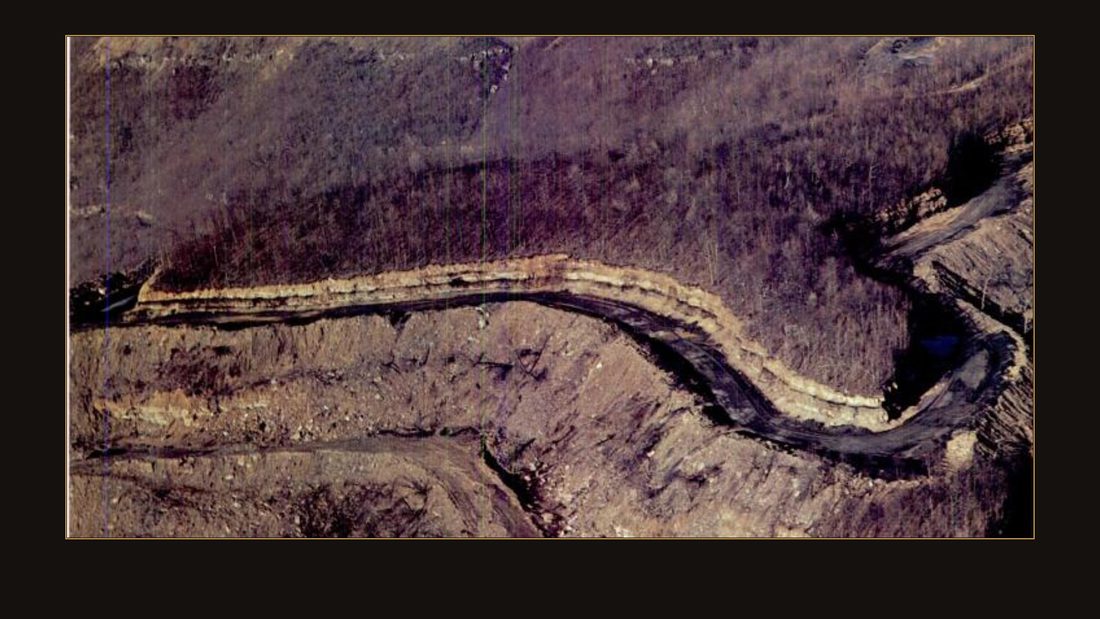
P01
Surface Mining and Our Environment · U.S. Dept. of the Interior, 1967 · p. 37. View the original.
This is not a road. The shelf cut into the side of this mountain is where the surface used to be. A machine took it off to reach the coal underneath.
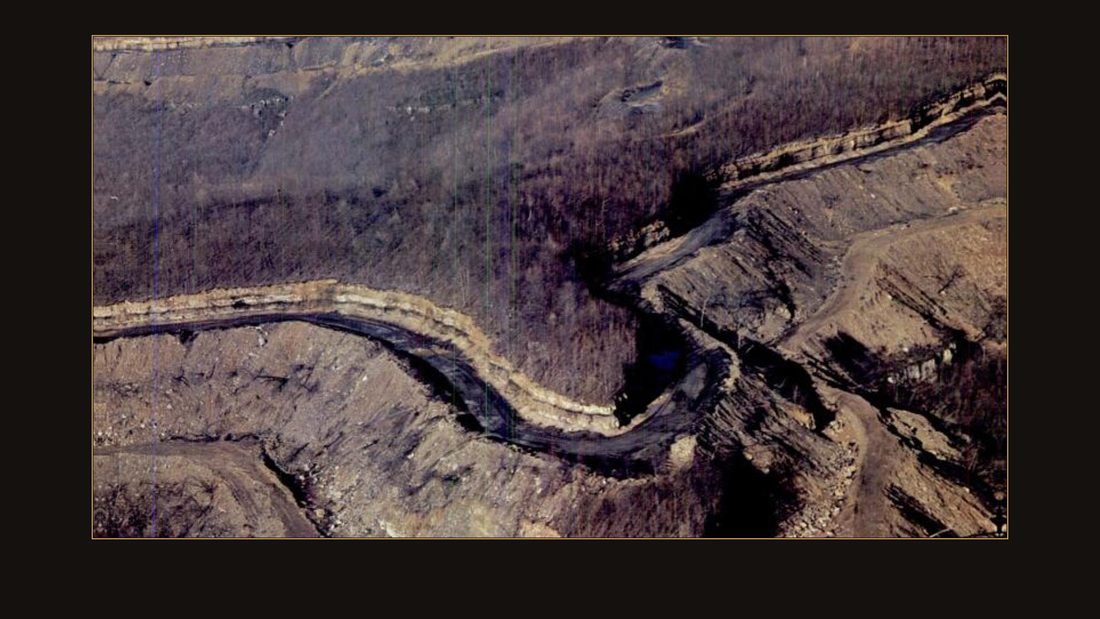
P04
Surface Mining and Our Environment · U.S. Dept. of the Interior, 1967 · p. 1. View the original.
When the coal was gone, the machine moved on. The federal government photographed what it left, and printed it in nineteen sixty-seven, in color.
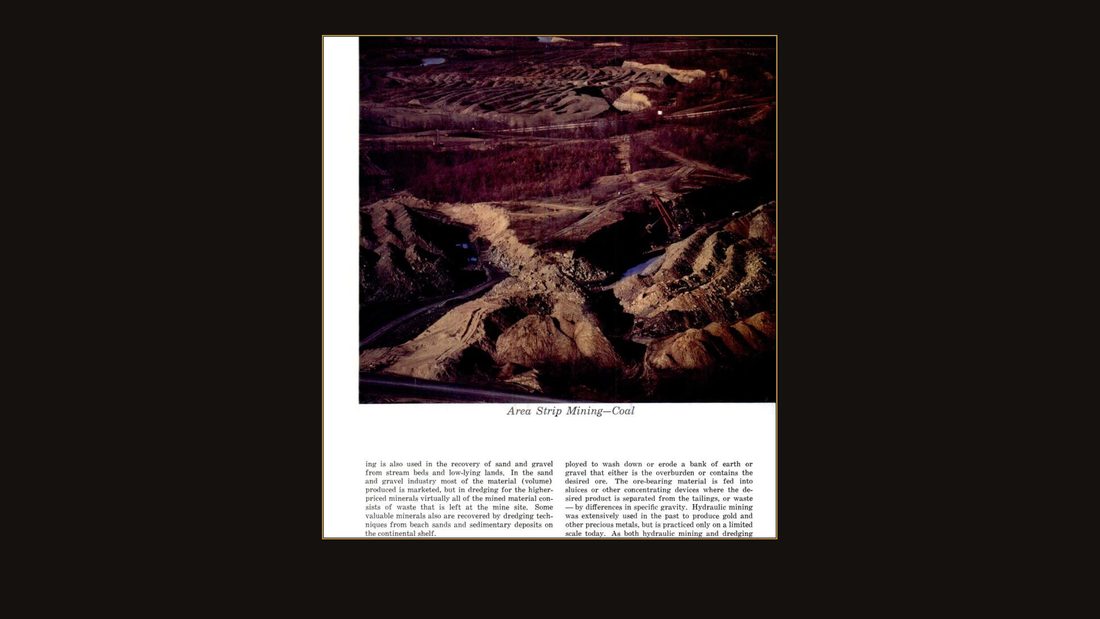
P02
Surface Mining and Our Environment · U.S. Dept. of the Interior, 1967 · p. 36. View the original.
It went into a book about what surface mining was doing to the country. The caption on this page is four words long. Area strip mining. Coal.
And this is a Kentucky court, one year later, explaining why none of it needed the farmer's permission. The mineral owner, it says, bought and paid for the right to destroy the surface.
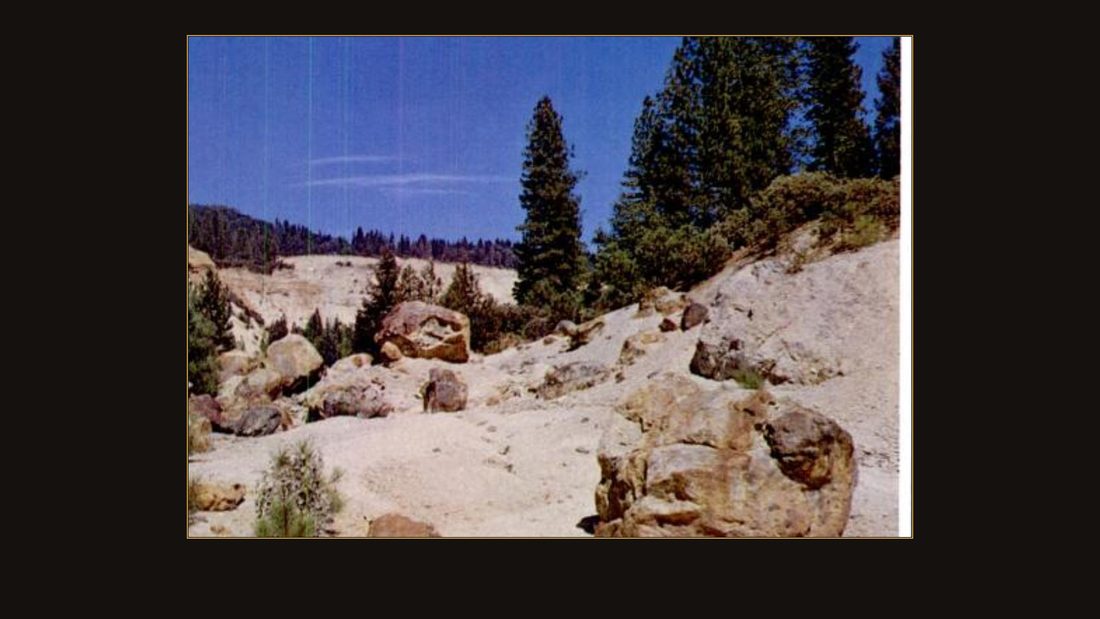
P20
Surface Mining and Our Environment · U.S. Dept. of the Interior, 1967 · p. 57. View the original.
This film is about that sentence. Where it came from, what it cost, and how long it took to be rid of it.
Three dollars an acre
The beginning is in the court record. Early in the twentieth century a man named John C.C. Mayo traveled Eastern Kentucky, buying from farm families everything that lay under their feet.
The instruments he carried are called broad form deeds. They conveyed every mineral under the surface. They granted the right to use the surface to reach them. And they waived, in advance, all liability for damage.
Many were printed forms. In a number of counties, a judge would later write, uniform blank deeds were used — only the land description and the seller's name had to be filled in. In many instances the county's deed books were ordered by the clerk at the request of the mineral purchasers.
The deed this film turns on was signed in Knott County on December twenty-ninth, nineteen oh five.
The price of things then: in nineteen hundred, the average acre of Knott County land was worth two dollars and ninety cents. The mineral buyers paid three dollars an acre, for the minerals alone. Remember both numbers. A court is going to weigh them.
One thing was not bought or sold that day, because in Knott County it did not exist. There was no railroad in the county. About the only coal that came out of the county, the record says, was picked by hand from outcroppings along the creeks — with a new-found tool, the coal pick.
The machines
Strip mining is what it sounds like. Blast the rock and soil off the seam. Push it aside. Take the coal. Cut again.
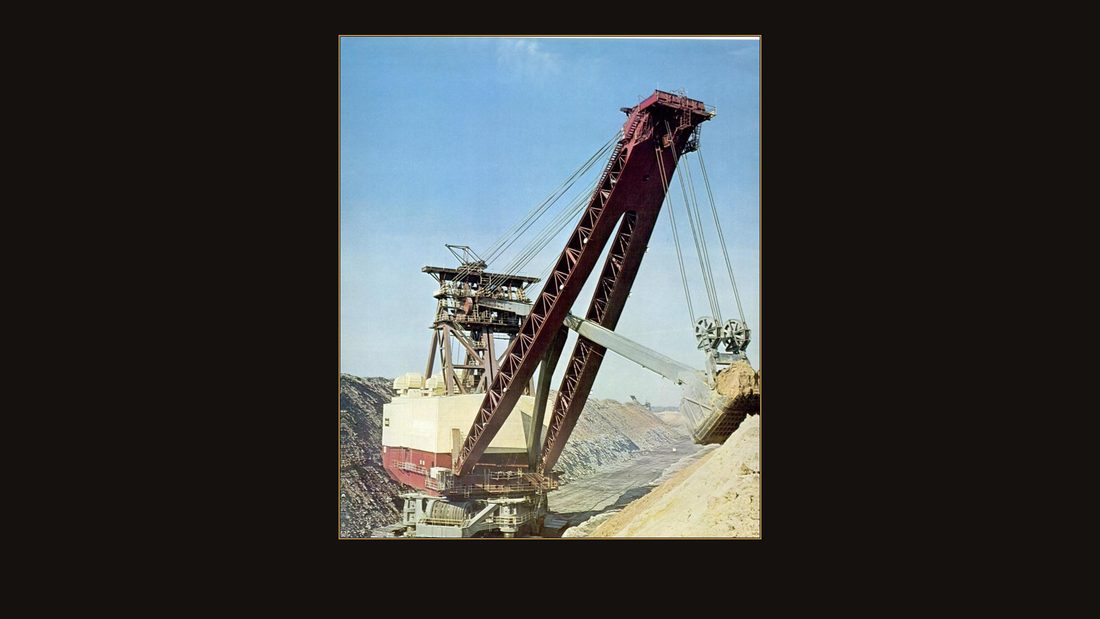
P07
Surface Mining and Our Environment · U.S. Dept. of the Interior, 1967 · p. 6. View the original.
The machines that do the pushing grew into some of the largest objects ever to move on land.
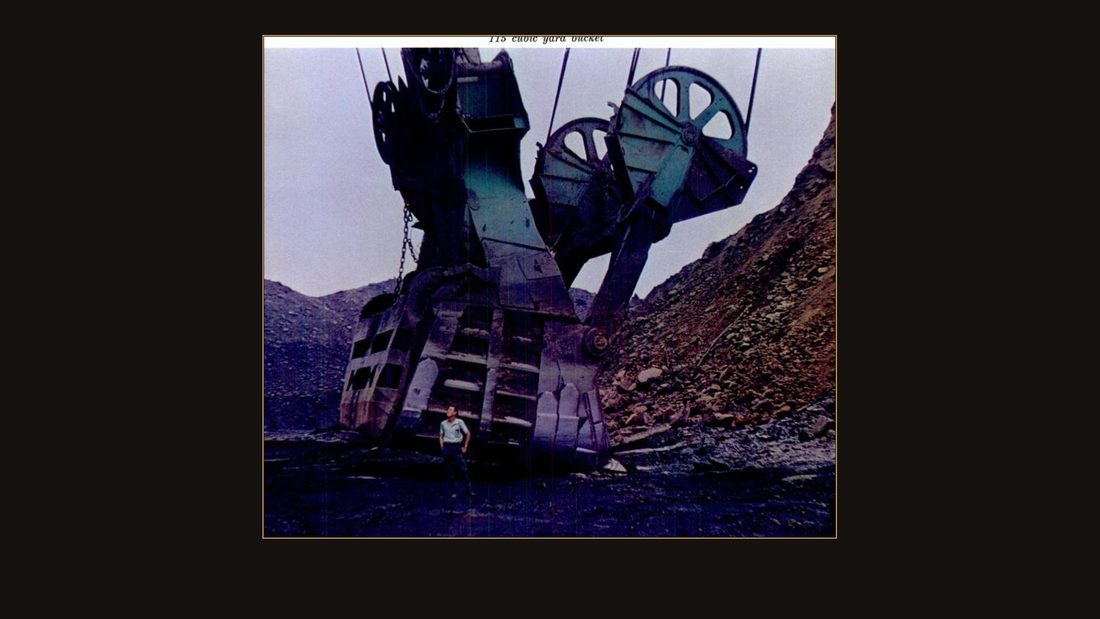
P30
Surface Mining and Our Environment · U.S. Dept. of the Interior, 1967 · p. 109. View the original.
By the middle of the nineteen sixties, the biggest buckets took one hundred fifteen cubic yards at a bite.

P12
Surface Mining and Our Environment · U.S. Dept. of the Interior, 1967 · p. 20. View the original.
And the report was honest about where the power went. It printed this above the words: society benefits, in many ways.
Two beginnings
In September nineteen sixty-five, the question under all of this reached a ten-acre parcel in Knott County. LeRoy Martin and his wife owned it. Most of it was hillside. On the small piece of bottom land stood their dwelling house, their outbuildings, and their garden.
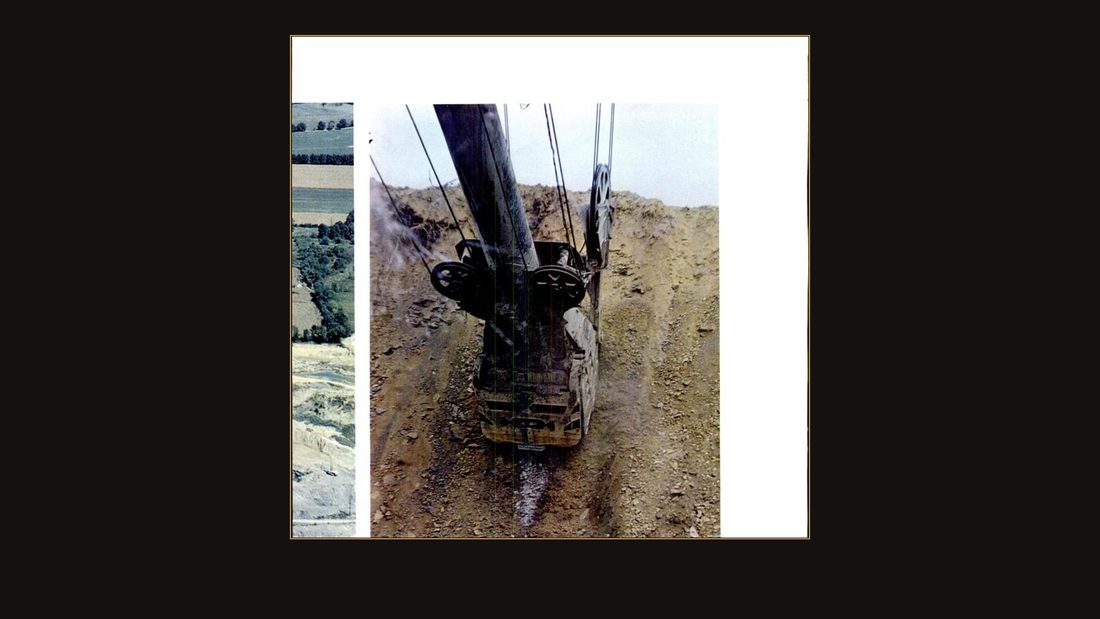
P08
Surface Mining and Our Environment · U.S. Dept. of the Interior, 1967 · p. 15. View the original.
The minerals under the whole ninety-acre tract had been sold in nineteen oh five, under a broad form deed. Now the companies holding that deed proposed to strip and auger the Martins' land. The Martins went to court.
The trial judge split it down the middle. The company could strip mine. But it must pay the Martins for what it destroyed.
Six months before the Martins filed, Washington had started counting. The Appalachian Regional Development Act, March ninth, nineteen sixty-five. Section two oh five. Mining area restoration.
The Act ordered the Secretary of the Interior to survey strip and surface mining across the United States, and to report back with recommendations.
And they counted. Three point two million acres of American land — five thousand square miles — disturbed by surface mining before January first, nineteen sixty-five.
The picture book
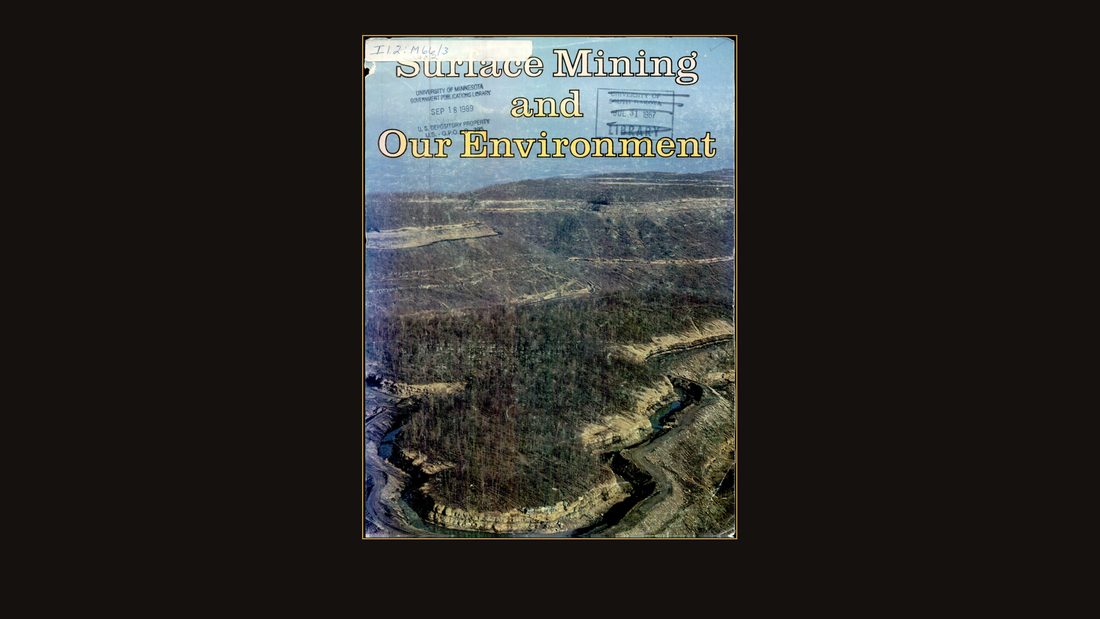
P03
Surface Mining and Our Environment · U.S. Dept. of the Interior, 1967 · cover. View the original.
In July nineteen sixty-seven the Interior Department published what it found. Not as a gray federal report. As a picture book. One hundred twenty-four pages, in color.
The Secretary's foreword does not sound like a government document. In the process of those withdrawals, it says, we have looted and ravished the land.
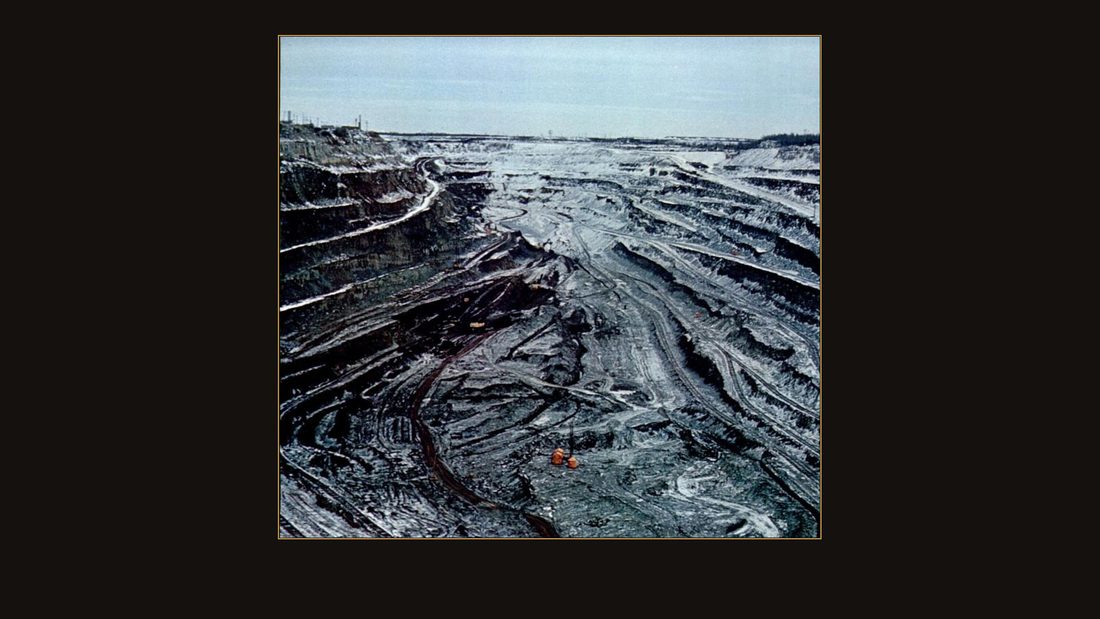
P13
Surface Mining and Our Environment · U.S. Dept. of the Interior, 1967 · p. 22. View the original.
The picture pages carry their own headings. But man has left behind a residue of devastation.
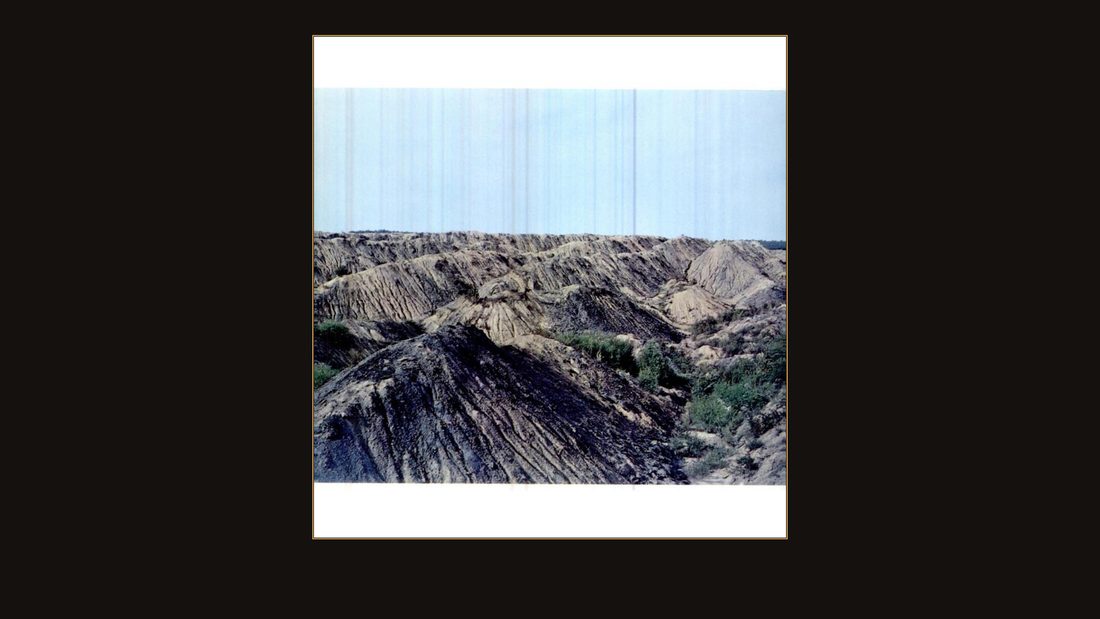
P16
Surface Mining and Our Environment · U.S. Dept. of the Interior, 1967 · p. 26. View the original.
And the countryside laid bare. These ridges are not geology. They are rows of spoil — rock the machines pushed off the coal seam.
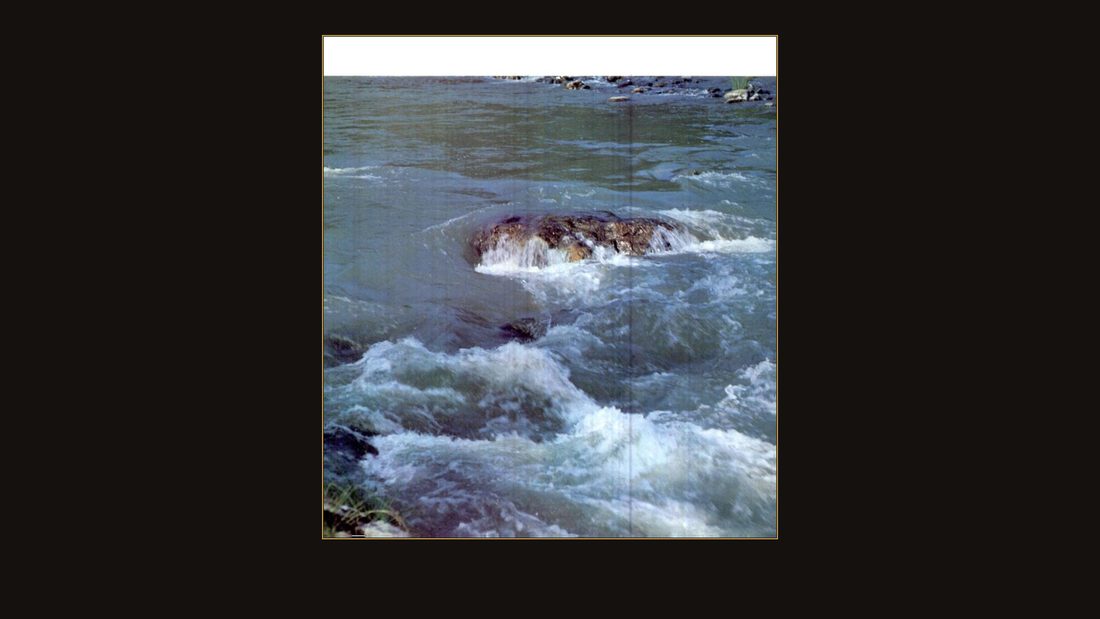
P14
Surface Mining and Our Environment · U.S. Dept. of the Interior, 1967 · p. 24. View the original.
The book printed the before.
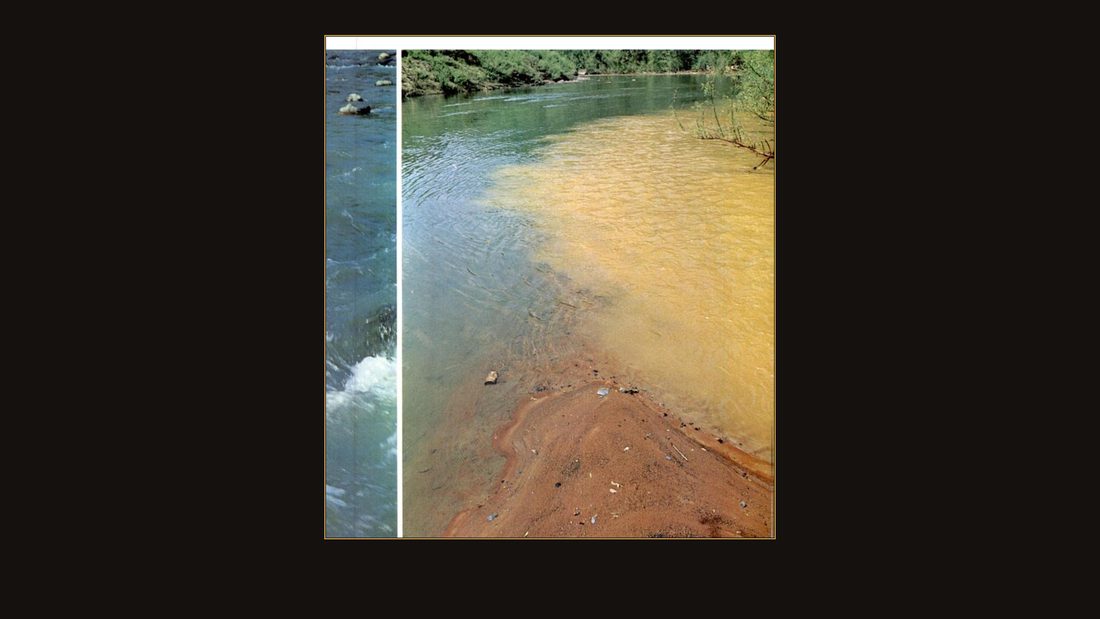
P15
Surface Mining and Our Environment · U.S. Dept. of the Interior, 1967 · p. 25. View the original.
And the after. Two streams meet. One runs clear, and one runs yellow. The heading printed over these pages reads: with pure streams defiled.
In Kentucky the numbers were the worst in the book. Sediment washing off strip-mined land at up to one thousand times the rate of undisturbed forest. From Kentucky spoil banks, twenty-seven thousand tons per square mile in a year. From forest, twenty-five.
In Eastern Kentucky the haul roads alone — just the roads the trucks use — made up about a tenth of all the disturbed ground.
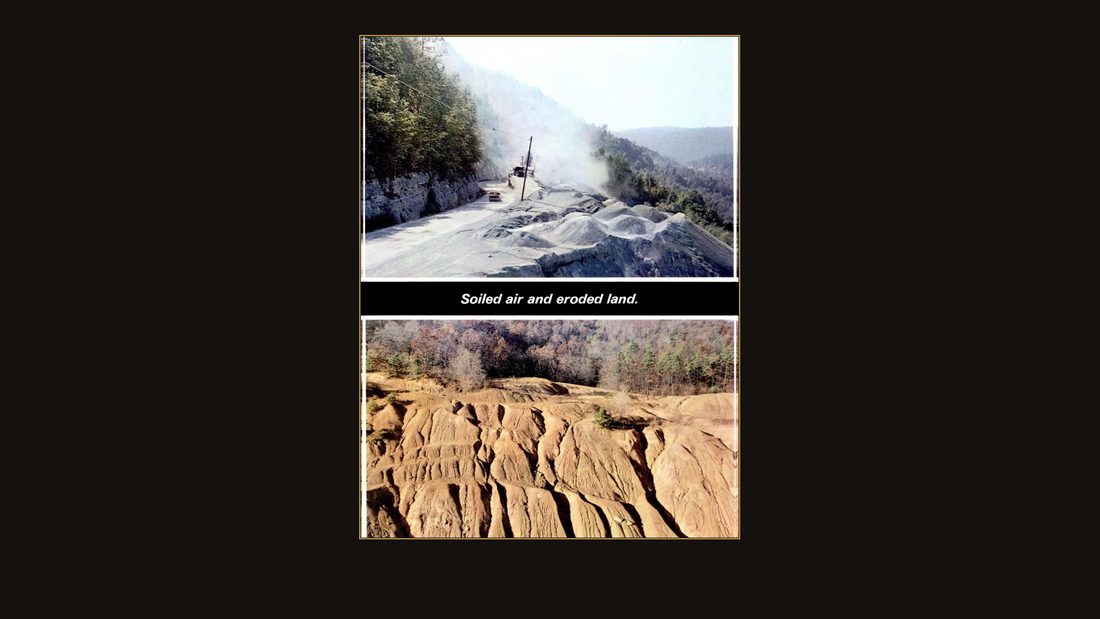
P21
Surface Mining and Our Environment · U.S. Dept. of the Interior, 1967 · p. 58. View the original.
Soiled air, and eroded land.
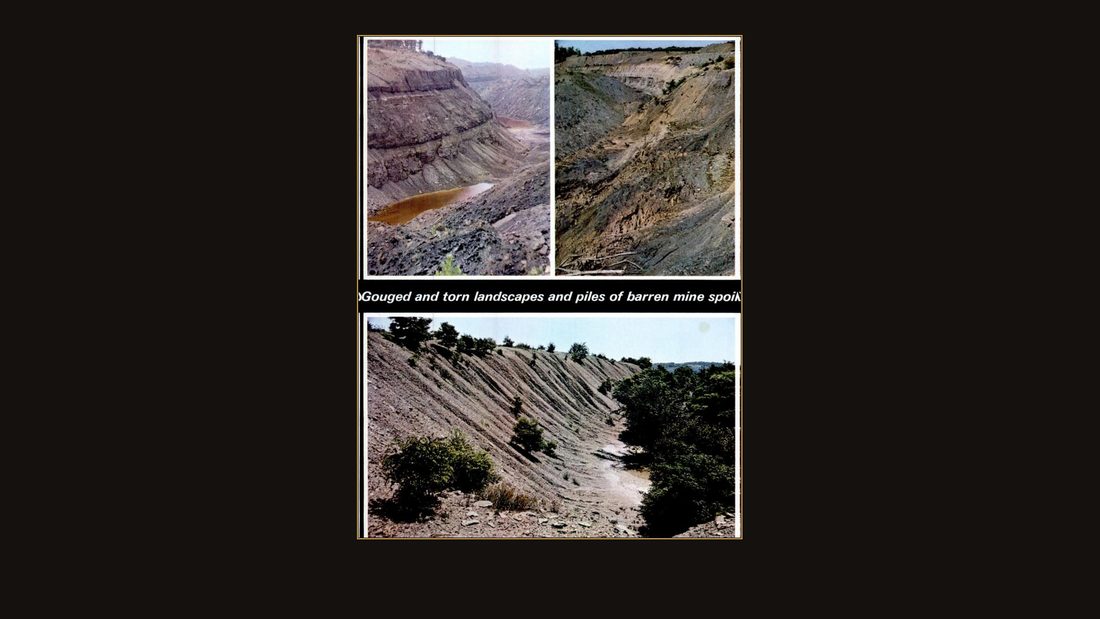
P22
Surface Mining and Our Environment · U.S. Dept. of the Interior, 1967 · p. 59. View the original.
Gouged and torn landscapes, and piles of barren mine spoil.
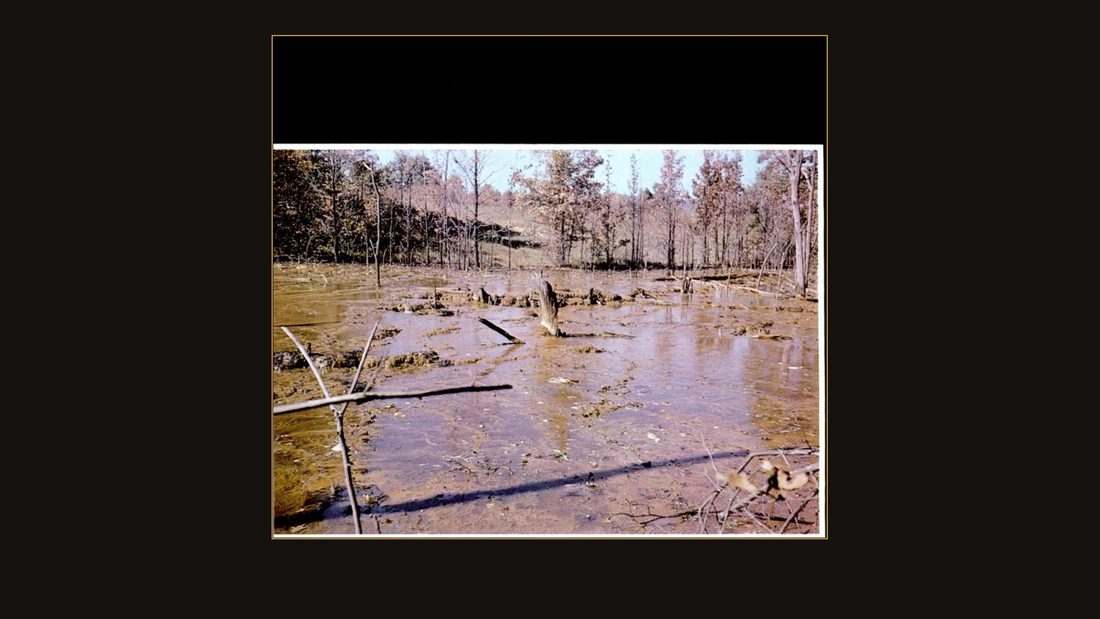
P25
Surface Mining and Our Environment · U.S. Dept. of the Interior, 1967 · p. 62. View the original.
A wildlife habitat, destroyed by acid mine water.
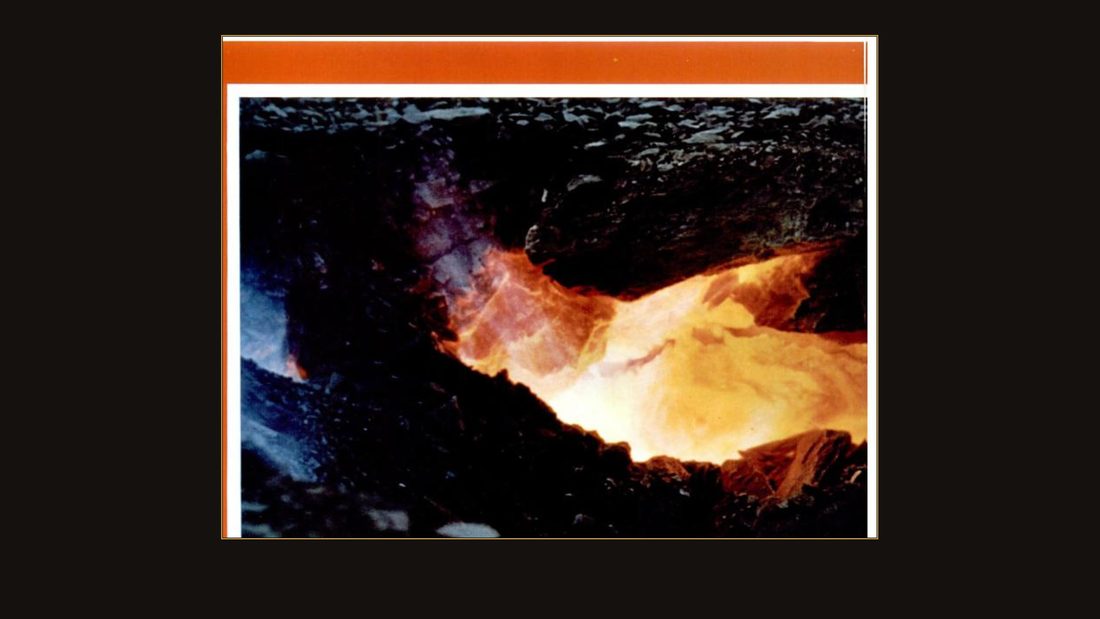
P27
Surface Mining and Our Environment · U.S. Dept. of the Interior, 1967 · p. 66. View the original.
Some of it burned. The caption on this one reads: underground mine fire. Coal.
Of everything disturbed by nineteen sixty-five, about one acre in three had been reclaimed at all. And of that reclaimed third, nearly half was nature's own doing, not anyone's program.
This need not be
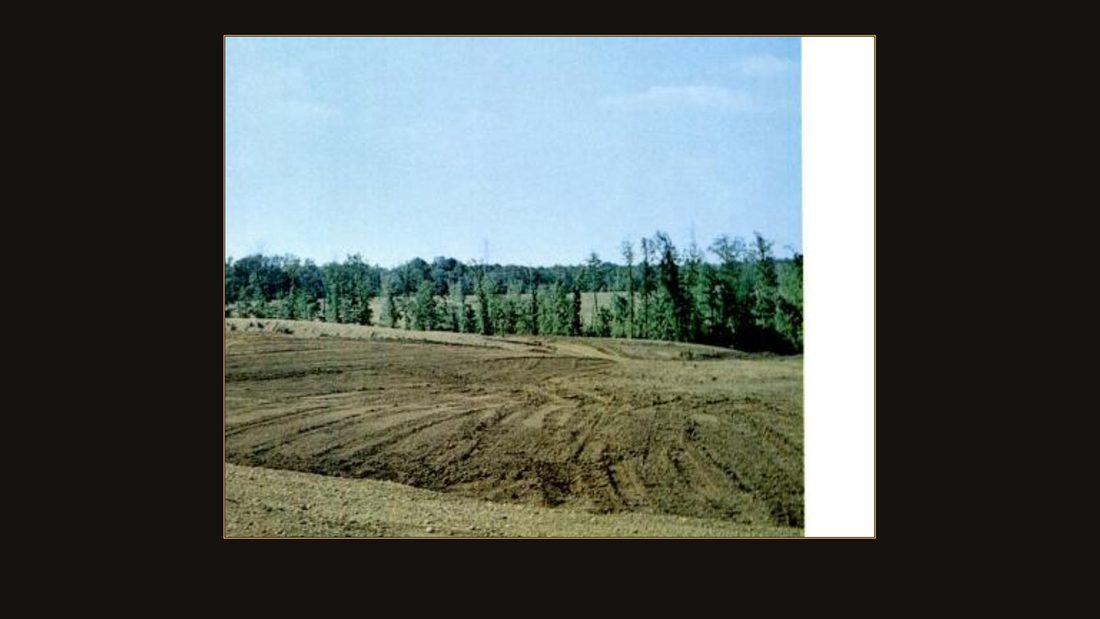
P17
Surface Mining and Our Environment · U.S. Dept. of the Interior, 1967 · p. 27. View the original.
The book was not an argument against mining. Its own next heading says: this need not be. Planned mining.
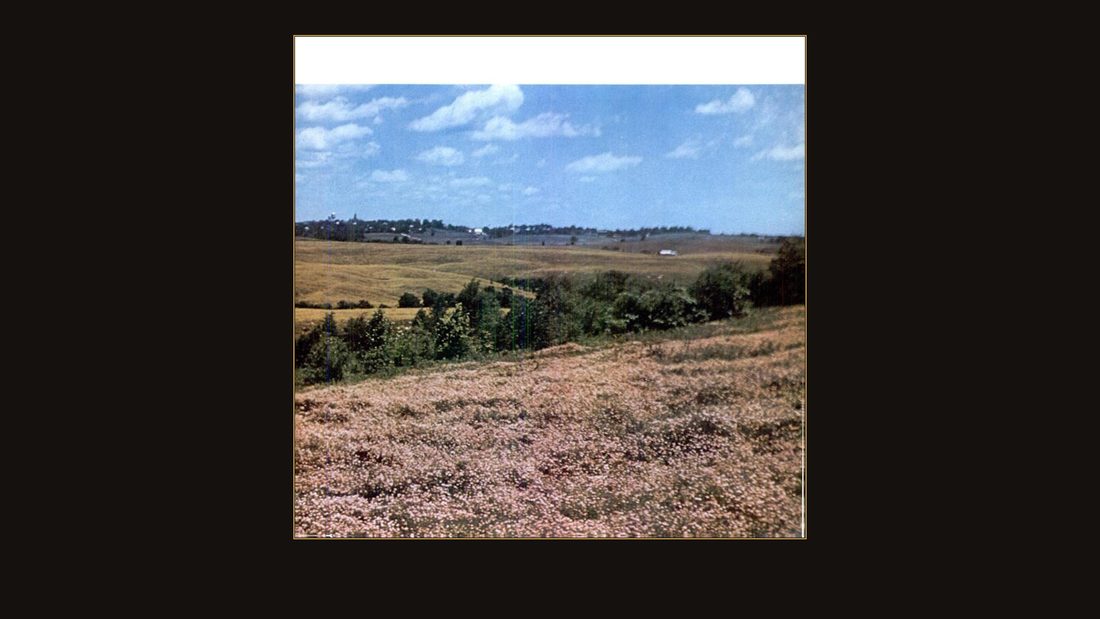
P18
Surface Mining and Our Environment · U.S. Dept. of the Interior, 1967 · p. 29. View the original.
And reclamation can return the land.
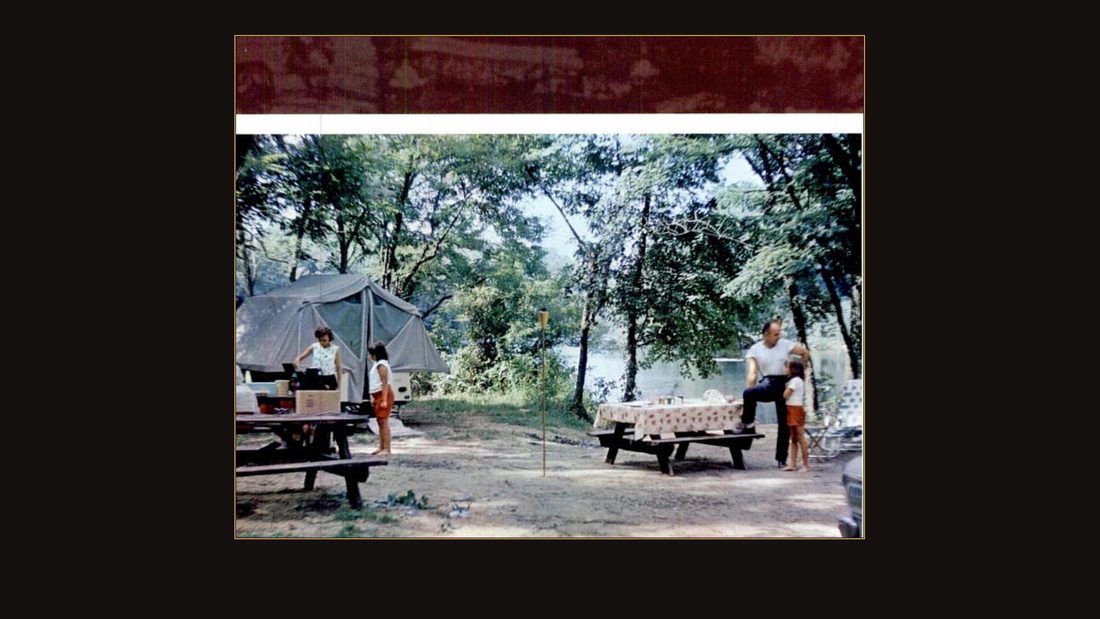
P26
Surface Mining and Our Environment · U.S. Dept. of the Interior, 1967 · p. 65. View the original.
A woodland campsite, on a reclaimed surface mine.
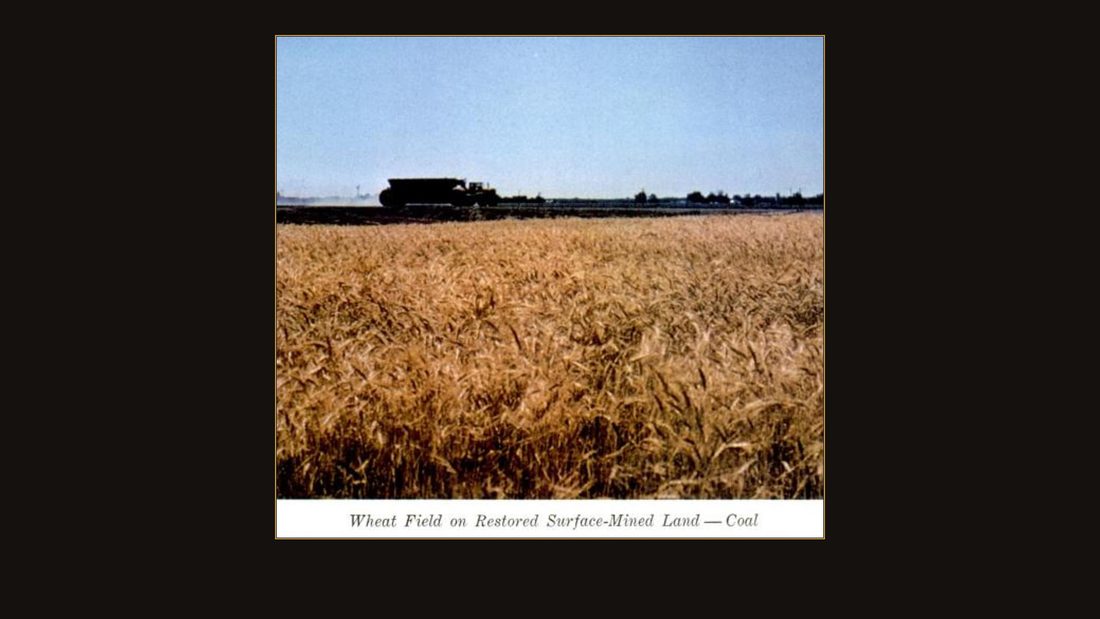
P05
Surface Mining and Our Environment · U.S. Dept. of the Interior, 1967 · p. 2. View the original.
A wheat field on restored surface-mined land. The argument was never that the digging had to stop. It was that somebody had to be responsible for the land afterward.
The findings
The findings, dated July nineteen sixty-seven. Three point two million acres affected. Two million of them needing treatment. Twenty thousand active operations. And a projection: by nineteen eighty, more than five million acres.
The recommendations asked for a national program. Prevent the future damage. Repair the past.
Against all of that, here is what enforcement looked like on the ground. Kentucky, for the year ending June nineteen sixty-six: one hundred seventy-nine active permits. Ten field inspectors.
Thirteen months later
Thirteen months after the report was published, Kentucky's highest court decided what a broad form deed was worth. Martin against Kentucky Oak Mining Company. June twenty-first, nineteen sixty-eight. Arguing for the Martins: a lawyer from Whitesburg named Harry Caudill.
Everyone understood what the case was. Briefs came in from the Kentucky Civil Liberties Union, the Sierra Club, the Appalachian Group to Save the Land and People — and from the Big Sandy-Elkhorn Coal Operators Association.
The court began by setting the scenery aside. Conservation, it wrote, was not the question before it. The question was whether the mineral owners must purchase from the landowner the right to strip.
The landowners argued that no farmer would ever have intended his fields be destroyed. The court answered with the arithmetic of nineteen oh five. Land worth two dollars ninety an acre. Minerals sold for three dollars. The owner, it wrote, was willing to take the chance on future destruction of his bottom land to get the immediate money.
Then the holding. The mineral owner bought and paid for the right to destroy the surface in a good faith exercise of the right to remove the minerals. And so there is no basis on which he could owe damages for exercising that right.
The trial court had ordered the company to pay the Martins. That part of the judgment was reversed. Over three dissents.
Judge Hill wrote the long one. Comparing the court's own precedents, he found two of them, in his words, as inconsistent as sin and salvation.
I am shocked and appalled, he went on, that the court of last resort in the beautiful state of Kentucky would lend its approval and encouragement to the diabolical devastation and destruction of a large part of the surface of this fair state, without compensation to the owners thereof.
His argument was the calendar. Strip mining was neither heard of nor dreamed of in nineteen oh five in Knott County. A law journal note he cited dated its arrival to nineteen fourteen, worked with picks, shovels, and slip-scrapers drawn by mules.
Ten years and two vetoes
The federal report had recommended a federal law. Congress spent seven years drafting one.
In December nineteen seventy-four a surface mining bill finally reached the President's desk. Gerald Ford declined to sign it. A memorandum of disapproval, December thirtieth: I am withholding my approval from Senate bill four twenty-five.
Congress passed it again the next spring. On May twentieth, nineteen seventy-five, Ford vetoed it again, in writing. As many as thirty-six thousand people would lose jobs. Consumers would pay higher electric bills. The nation would be more dependent on foreign oil. The energy crisis was real, and the veto held.
Two years later the politics had changed. August third, nineteen seventy-seven. The Surface Mining Control and Reclamation Act. A new President signed it.
Ten years after the picture book, the federal government could finally tell every operator in America how the land must be left.
But a law about how to mine says nothing about whether the man on the surface can refuse. That was property law. State law. And in Kentucky, the rule was still Martin.
Eighty-two percent
Twice, Kentucky's legislature tried to soften that rule by statute. Twice, the court struck the statute down.
By nineteen eighty-seven the court itself had stopped believing the story about nineteen oh five. It is highly unlikely, its chief justice wrote, that any parties to a deed would knowingly agree that one of the estates — the surface — could and would be totally destroyed. The obliteration of the surface would never have been anticipated by the grantor.
The evidence in this case, and the evidence generally, the court added, is that strip mining as it is practiced today was non-existent in the early nineteen hundreds. This Court takes judicial notice of that fact.
So the question went to the people. November nineteen eighty-eight. A constitutional amendment: in any old deed that does not name its mining method, the coal comes out only by the methods known in the area when the deed was signed.
It passed with more than eighty-two percent of the vote.
The mineral owners fought the amendment in court. Their deeds, they argued, were property, and the constitution of the United States does not let a state rewrite them. The case reached the Supreme Court of Kentucky. Ward against Harding, July fifteenth, nineteen ninety-three.
The court upheld the amendment. With its ratification, the opinion begins, the people swept away decades of litigation.
And it went one sentence further. The rule the voters wrote, the court said, is the rule that had been right all along — we now hold it to have been at all times the proper rule, our decisions to the contrary notwithstanding. Three of seven justices dissented.
The price of the surface
P01
Surface Mining and Our Environment · U.S. Dept. of the Interior, 1967 · p. 37. View the original.
From the deed on the Martins' land to the amendment: eighty-three years.
P18
Surface Mining and Our Environment · U.S. Dept. of the Interior, 1967 · p. 29. View the original.
The picture book promised that the land could come back, if somebody paid for it.
For most of a century, the answer to who would pay was written on a printed form, in a deed book a coal buyer had ordered for the county, at three dollars an acre.
P03
Surface Mining and Our Environment · U.S. Dept. of the Interior, 1967 · cover. View the original.
If your family's land in eastern Kentucky ever carried one of these deeds, the comments are open. The film about what the same government's cameras found in the coal camps of nineteen forty-six is on this channel.
P16
Surface Mining and Our Environment · U.S. Dept. of the Interior, 1967 · p. 26. View the original.
Sources
- Martin v. Kentucky Oak Mining Co., 429 S.W.2d 395 (Ky. 1968), decided June 21, 1968. All quotations read from the opinion as published on CourtListener: the facts of the Martins' 10-acre Knott County parcel and the December 29, 1905 broad form deed; the $2.90/$3.00-an-acre figures (1900 average land value vs. 1905 mineral price, both from the opinion); "So conservation is not in issue"; the holding that the mineral owner "bought and paid for the right to destroy the surface" and owes no damages except for arbitrary, wanton or malicious acts; the amicus lineup; and the dissents of Judges Hill ("as inconsistent as sin and salvation"; "shocked and appalled ... diabolical devastation"; strip mining "neither heard of nor dreamed of in 1905 in Knott County"; the Kentucky Law Journal note dating strip mining's importance to 1914) and Osborne. Harry M. Caudill of Whitesburg appears as counsel for the appellants in the reported caption. https://www.courtlistener.com/opinion/2455130/martin-v-kentucky-oak-mining-company/
- Ward v. Harding, 860 S.W.2d 280 (Ky. 1993), decided July 15, 1993; rehearing denied Sept. 30, 1993. Quotations read from the opinion: the John C.C. Mayo history of the broad form deeds; "the people swept away decades of litigation"; the amendment "approved by more than 82% of the voters in the November, 1988, General Election"; the statement that the Legislature twice modified the rule and the court twice held its acts unconstitutional; the Akers v. Baldwin quotations ("the obliteration of the surface would never have been anticipated by the grantor"; judicial notice that strip mining "was non-existent in the early 1900's"); the holding that the codified rule "had been at all times the proper rule"; and the 4–3 lineup. The full text of Ky. Const. § 19(2) (the Broad Form Deed Amendment, Acts 1988, ch. 117, § 1) is quoted in the opinion's footnote 1. https://www.courtlistener.com/opinion/1733469/ward-v-harding/
- Surface Mining and Our Environment: A Special Report to the Nation, U.S. Department of the Interior, 1967 (124 pp.). Public-domain federal work; every color photograph, map, diagram and document page in this film is from this report, via the Google Books scan of the University of Michigan copy (HathiTrust record 001114665, rights: Full view / public domain). Figures used: 3.2 million acres / 5,000 square miles disturbed before Jan. 1, 1965 (p. 39 and Findings, p. 104); 2.0 million acres needing treatment and ~20,000 active operations (p. 104); the 5-million-acre projection for 1980 (p. 104); Kentucky spoil-bank sediment 27,000 tons per square mile vs. ~25 from forest, and the 1,000x figure (p. 63); Eastern Kentucky haul roads ~10 percent of disturbed area (p. 83); roughly one-third of disturbed land reclaimed as of Jan. 1, 1965 (p. 85); Kentucky enforcement in FY 1965-66 — 179 active permits, ten field inspectors (Appendix II, p. 118); the study's origin in § 205(c) of the Appalachian Regional Development Act (p. 9); "we have looted and ravished the land" (Foreword, p. 3).
- Appalachian Regional Development Act of 1965, Pub. L. 89-4, § 205, 79 Stat. 5 (approved March 9, 1965). Page image from the Statutes at Large, vol. 79, via the Internet Archive microfilm scan.
- Surface Mining Control and Reclamation Act of 1977, Pub. L. 95-87, 91 Stat. 445 (approved Aug. 3, 1977), including Title I findings. Page images from Statutes at Large vol. 91, via the Internet Archive microfilm scan.
- Gerald R. Ford, Memorandum of Disapproval of S. 425 (Dec. 30, 1974), and Veto of H.R. 25 with Message to the House of Representatives (May 20, 1975), including the FEA coal-production estimate (48-141 million tons) and the 36,000-jobs figure, both read from the Weekly Compilation of Presidential Documents (Jan. 6, 1975 and May 26, 1975 issues), via Internet Archive scans.
- The narration voice is AI-generated (ElevenLabs). No photographs are colorized or AI-generated; the color is the report's own 1967 printing.