Tried Four Times for a Governor's Murder, Then Sent to Congress
The film of this episode premieres August 6, 2026 on YouTube. The documents, the transcript and the sources are below now.
On January 30, 1900, William Goebel was shot walking across the Capitol lawn at Frankfort, Kentucky. He had lost the governor's race by 2,383 votes and was contesting it before a Democratic legislature. He was declared elected the next day, took the oath in bed, and died four days later.
Transcript
The fountain
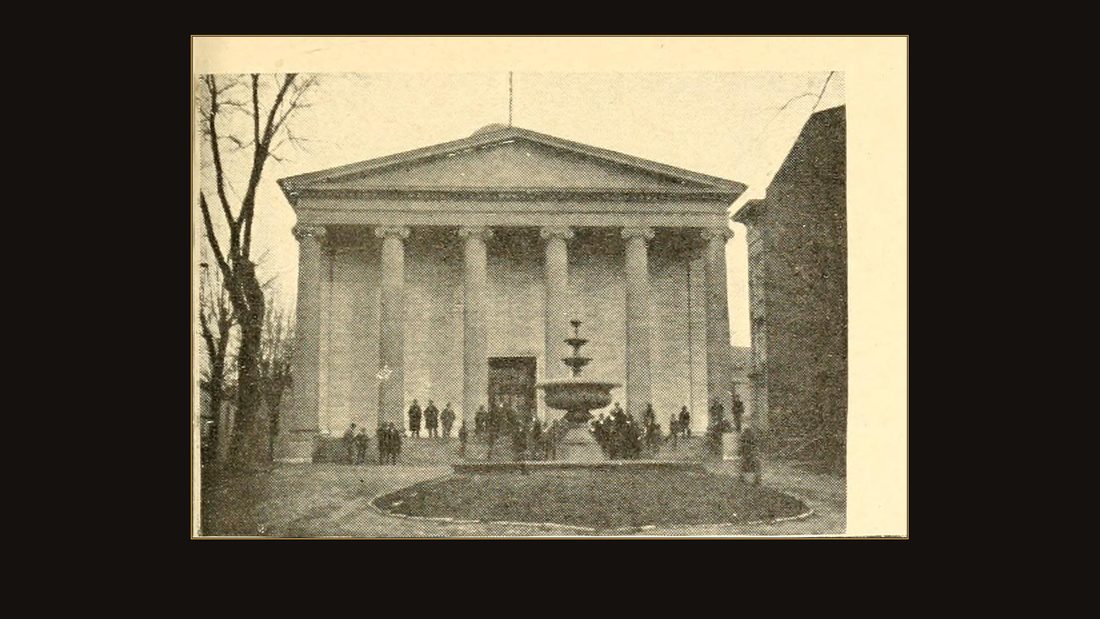
M10
Caleb Powers, "My Own Story," Bobbs-Merrill, 1905 - facing p. 144 - the Capitol; Goebel fell at the right of the fountain. View the original.
This is the lawn in front of the old state Capitol at Frankfort, Kentucky. The caption under the photograph says: Goebel fell at the right of the fountain.
The man who published that photograph also published this. A plan of the same grounds, with the path of the bullet drawn on it.
The Supreme Court set the date down in one sentence. William Goebel was assassinated in that county on the thirtieth day of January, nineteen hundred.
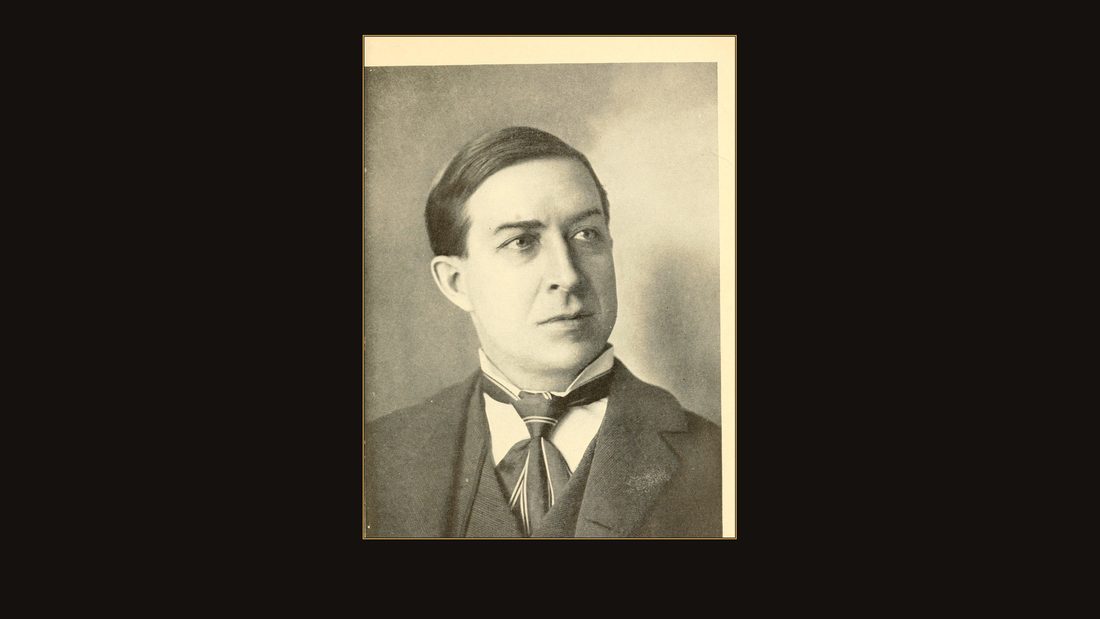
M02
Caleb Powers, "My Own Story," Bobbs-Merrill, 1905 - facing p. 72 - William Goebel. View the original.
He was a state senator from Covington. He had run for governor that November and, by the returns, he had lost.
What that one bullet produced is a paper trail. Two opinions of the Supreme Court. A book written in a jail cell.
And one paragraph in the official biography of the United States Congress that does not mention any of it.
Two thousand three hundred and eighty-three
Start with the count. The election was held on the seventh of November, eighteen ninety-nine.
Justice John Marshall Harlan, a Kentuckian, put the numbers in the United States Reports. Taylor, one hundred ninety-three thousand seven hundred fourteen. Goebel, one hundred ninety-one thousand three hundred thirty-one.
Taylor, a Republican, got the certificate. On the twelfth of December he took the oath from the Chief Justice of Kentucky and moved into the executive building.
Caleb Powers was on the same ticket. He had been elected Secretary of State, and his office was in that same building.
Drawn by lot
Kentucky's constitution says a contested governor's election is decided by both houses of the General Assembly. Not by a court. And the legislature was Democratic.
Goebel filed his contest, and so did his running mate, J. C. W. Beckham. The statute called for a committee of eleven, drawn by lot from a box. Ten of the eleven were Democrats.
Six years later Justice Brewer wrote about that drawing. The allegation, he said, was that it was not by lot at all, but a trick on the part of the clerks of the assembly.
And then this. Curious results sometimes happen by chance. But when those results happen so largely along the lines of the purposes of those who control the supposed chance—
—it is not strange that outsiders are apt to feel that purpose, and not chance, determined the result.
Powers' answer was to bring people. He fetched petitioners from the mountains of eastern Kentucky. By his own account about twelve hundred came, armed.
That account is from a book he wrote in nineteen oh five, in a jail cell, under indictment. Not a neutral source, and this video will say so each time it uses him.
On the morning of Tuesday the thirtieth, Powers left Frankfort by train for Louisville, to raise a second crowd.
Ten minutes past eleven
At ten minutes past eleven that morning, William Goebel was walking up the sidewalk toward the senate chamber.
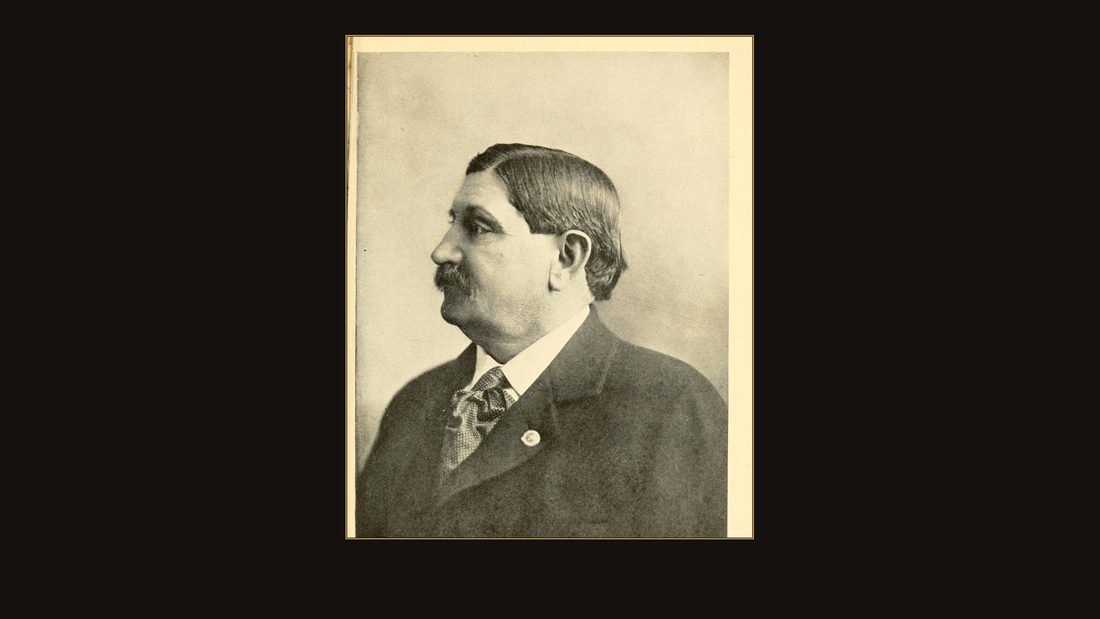
M04
Caleb Powers, "My Own Story," Bobbs-Merrill, 1905 - facing p. 100 - Col. "Jack" Chinn. View the original.
Colonel Jack Chinn was walking with him.
A rifle was fired from a window of the executive building. Goebel was hit through the chest. He did not die there. He lived four more days.
The news went out on the wire that morning. Topeka had it on page one that Tuesday evening. Assassinated on the street by unknown party.
Salt Lake City had it the same evening.
By Wednesday it was the banner across the St. Louis Republic. Ambushed enemies fired five shots from windows of the statehouse. Arrested suspect was a Taylor guard.
In San Francisco it ran across the whole page. Fires from the third story of the state executive building. Was shot through the lung. May not survive.
In Maysville, Kentucky: Senator Goebel shot. Cowardly attempt to assassinate the courageous Democratic leader, Tuesday at noon.
In Indianapolis they already had a name. Harland Whittaker under arrest.
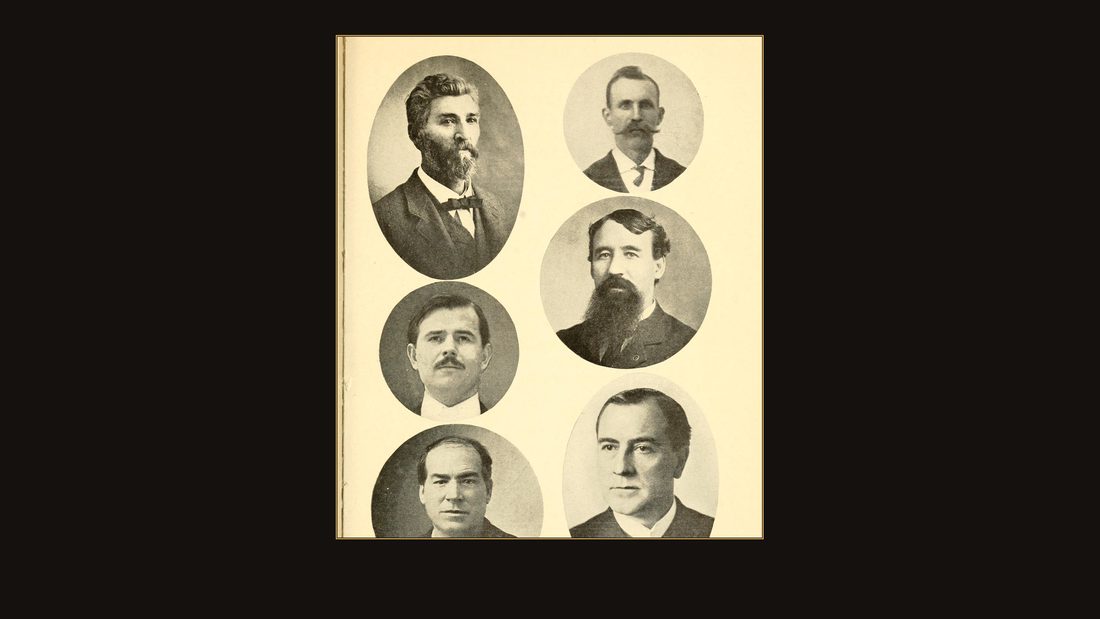
M14
Caleb Powers, "My Own Story," Bobbs-Merrill, 1905 - facing p. 186 - some of the others indicted. View the original.
Whittaker was released. He was one of about twenty men eventually accused, and not the last to be let go.
Two governors
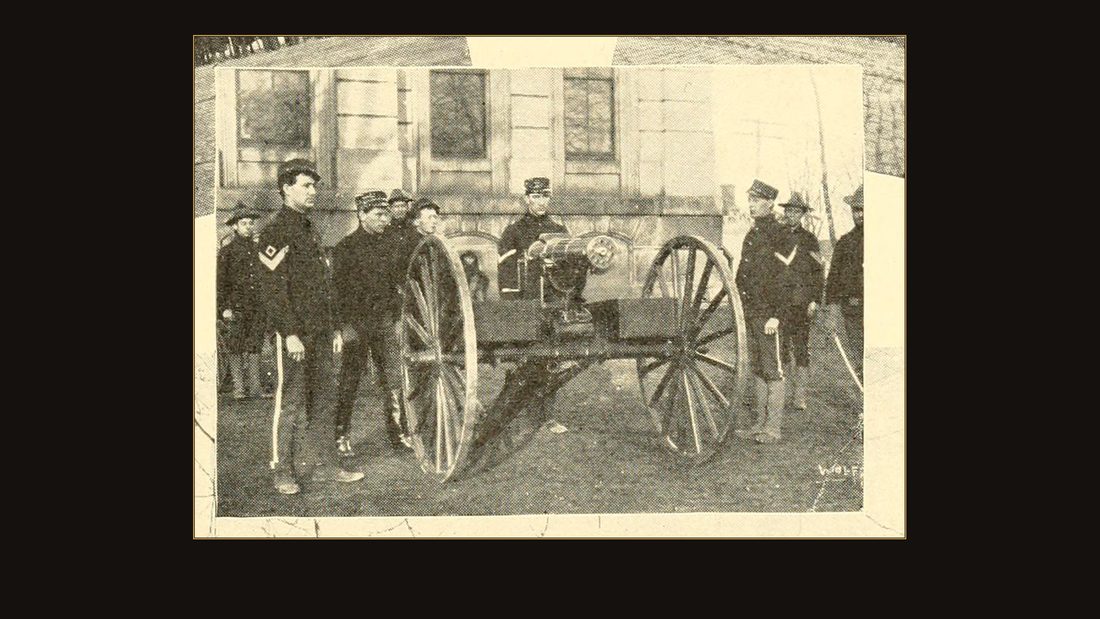
M07
Caleb Powers, "My Own Story," Bobbs-Merrill, 1905 - facing p. 124 - under the governor's windows. View the original.
Taylor called out the militia the same day. The whole military force of the state came into Frankfort that afternoon and night.
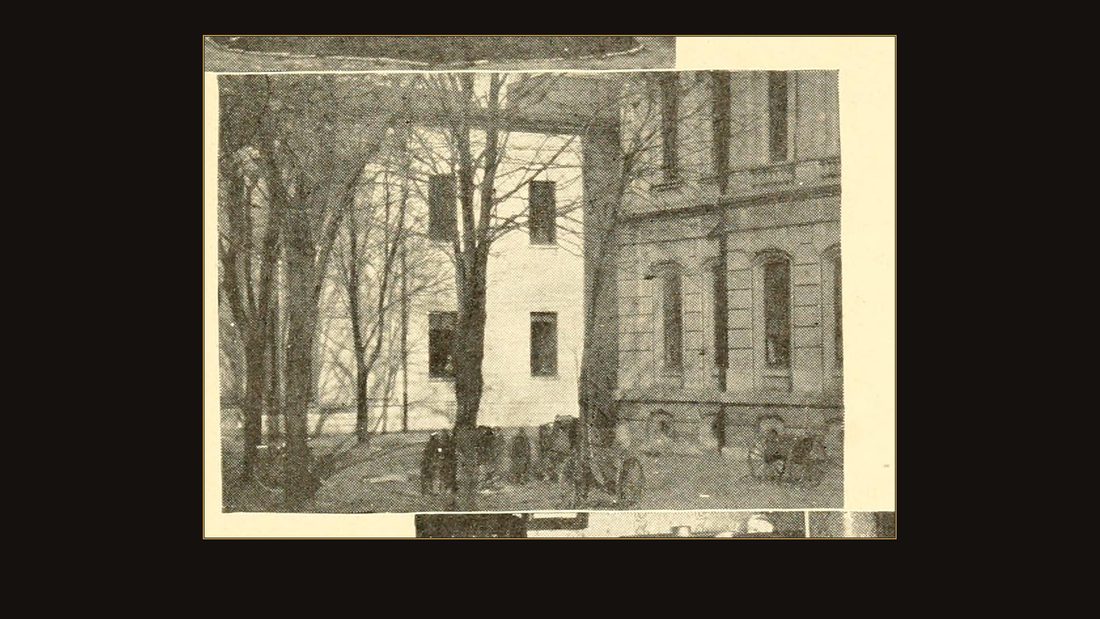
M11
Caleb Powers, "My Own Story," Bobbs-Merrill, 1905 - facing p. 144 - Taylor soldiers on guard. View the original.
Soldiers stood on the Capitol grounds, and nobody entered without a pass. They stood outside the hotel where the legislature was trying to meet.
Powers wrote that the situation was balanced on the ragged edge of civil war. He was writing from a cell, and it is still the plainest description anybody left.
Taylor's answer was to move the legislature out of Frankfort. He adjourned it to London, Kentucky, deep in the mountains.
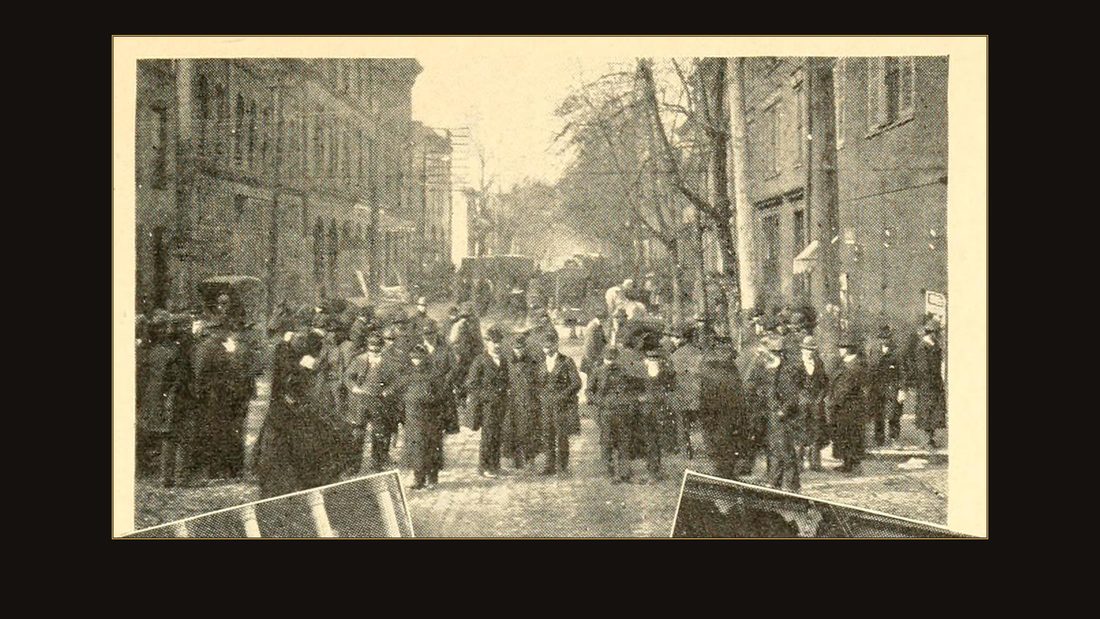
M05
Caleb Powers, "My Own Story," Bobbs-Merrill, 1905 - facing p. 124 - mob in the streets. View the original.
The Democratic members went to the Capitol anyway. Two soldiers with crossed bayonets stopped them at the head of the stairs.
They met somewhere else and voted. On the thirty-first they declared Goebel elected governor. He took the oath in bed and issued a proclamation that night.
The New York Tribune wrote the headline that was simply true. Two governors in Kentucky.
Goebel sworn in on his dying bed by chief justice of the state. Governor Taylor adjourns legislature to next week.
A quarter to seven
M02
Caleb Powers, "My Own Story," Bobbs-Merrill, 1905 - facing p. 72 - William Goebel. View the original.
He was governor for three days. He never got out of the bed.
On Saturday the third of February, at about a quarter to seven in the evening, William Goebel died.
Raleigh led its Sunday paper with it. The martyred governor dies. His sister and brother were alone with him. Beckham was sworn in the same day.
An office is not property
Taylor did not concede. The two governments went to court, and the case reached Washington. Decided the twenty-first of May, nineteen hundred.
The Court threw it out. The office of governor, it held, was not property in itself. No federal question arose, and it would not review the General Assembly.
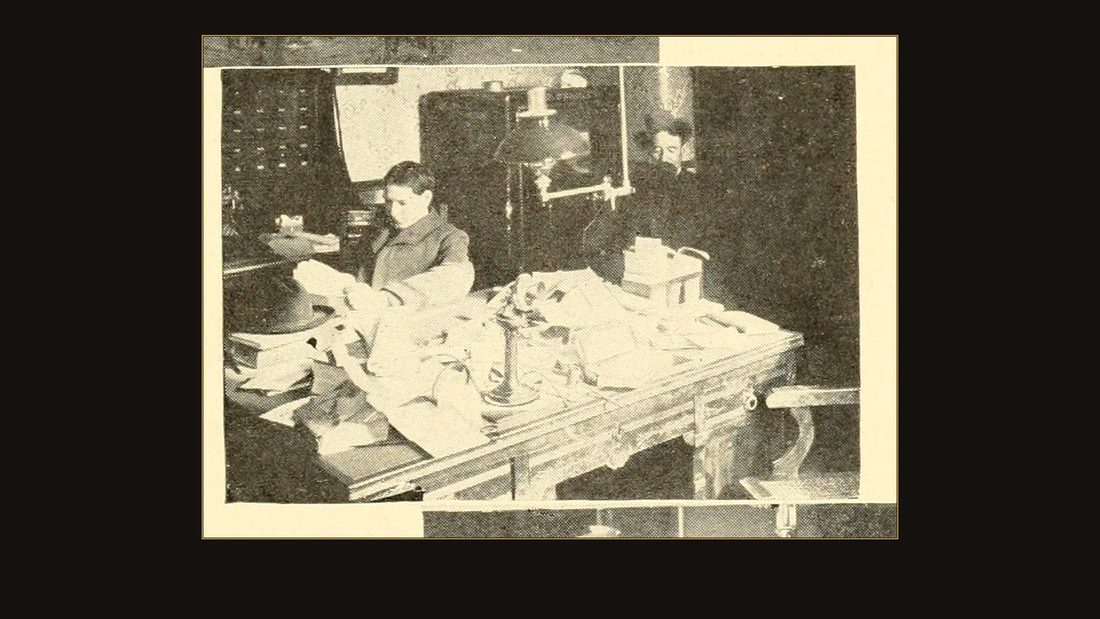
M12
Caleb Powers, "My Own Story," Bobbs-Merrill, 1905 - facing p. 144 - Governor Taylor's desk. View the original.
Three justices disagreed, and no dissent prevailed. Taylor left for Indiana, and Indiana refused to send him back.
The Secretary of State
On the ninth of March, nineteen hundred, they arrested the Secretary of State.
Powers was charged as an accessory before the fact to the willful murder of William Goebel. The rifle, the state said, was fired from his office window.
The next day Powers produced a pardon, signed by Taylor, for a crime he had not yet been indicted for.
Taylor was by then in Indiana. Kentucky held the pardon void. Powers pleaded it at every trial, and it was refused every time.
Two hundred and ninety men
He was indicted in Franklin County, and tried on a change of venue in Scott County.
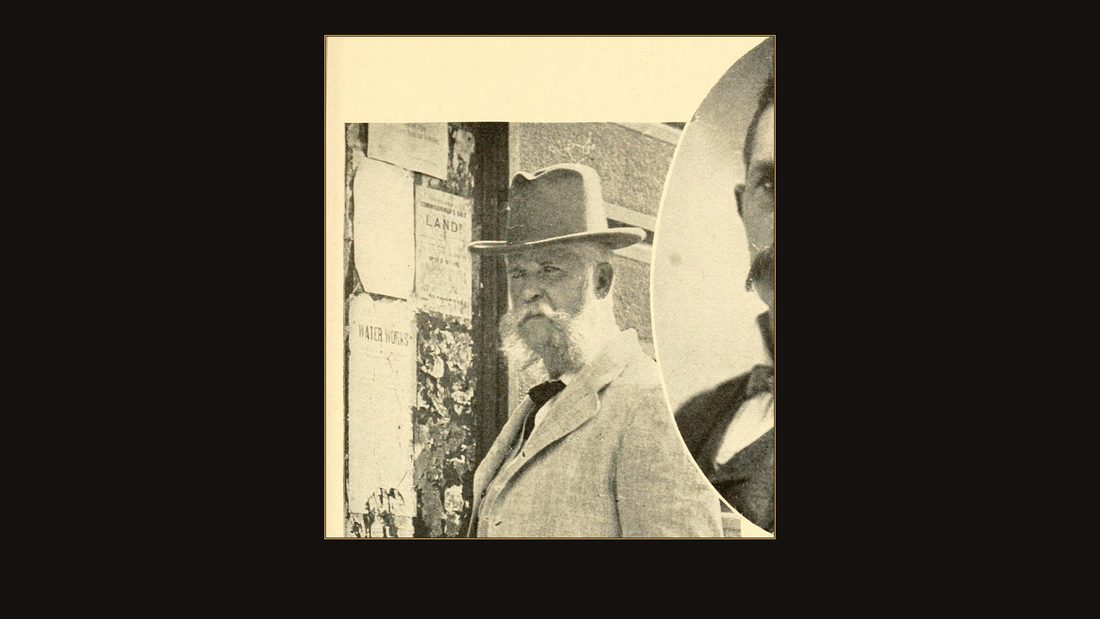
M18
Caleb Powers, "My Own Story," Bobbs-Merrill, 1905 - facing p. 234 - Judge James E. Cantrill. View the original.
He was tried there in July nineteen hundred, before Judge James Cantrill. Convicted. Life.
The Court of Appeals reversed it. He was tried again in nineteen oh one, before the same judge, who refused to step aside. Convicted again.
Here is what his lawyers told the federal courts about that jury. Of one hundred and twenty-five men summoned in Scott County, all were partisan Goebel Democrats except three.
Of one hundred and sixty-eight summoned in Bourbon County, all were partisan Democrats except three.
Two hundred and ninety men summoned. Two hundred and eighty-four Goebel Democrats. Six Republicans.
A Kentucky statute closed the door on appealing any of it. Section two eighty-one: decisions on challenges to the panel shall not be subject to exception.
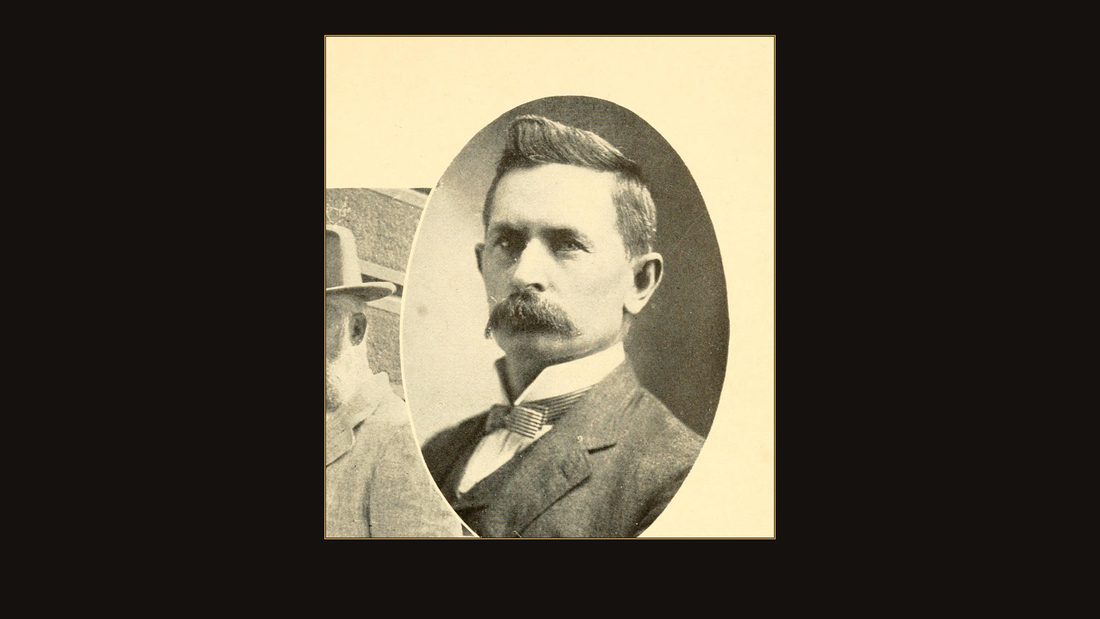
M19
Caleb Powers, "My Own Story," Bobbs-Merrill, 1905 - facing p. 234 - Judge Joseph E. Robbins. View the original.
The third trial came in nineteen oh three. This time the jury fixed the penalty at death, and he was sentenced to hang.
The book in the cell
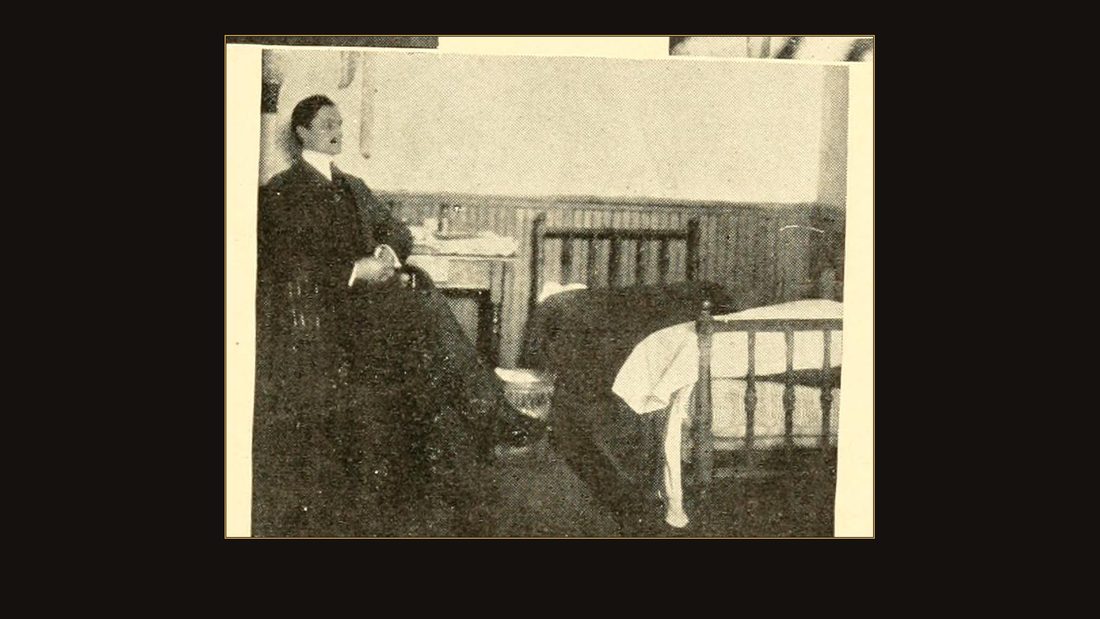
M28
Caleb Powers, "My Own Story," Bobbs-Merrill, 1905 - facing p. 272 - writing the closing lines of my book. View the original.
So he wrote a book.
My Own Story, by Caleb Powers. Bobbs-Merrill, nineteen oh five. Illustrated from photographs, including this one, captioned: writing the closing lines of my book.
He wrote it in the Louisville jail. The last chapter describes the room. Thirteen other prisoners. Murderers, thieves, pickpockets, men in the throes of delirium tremens.
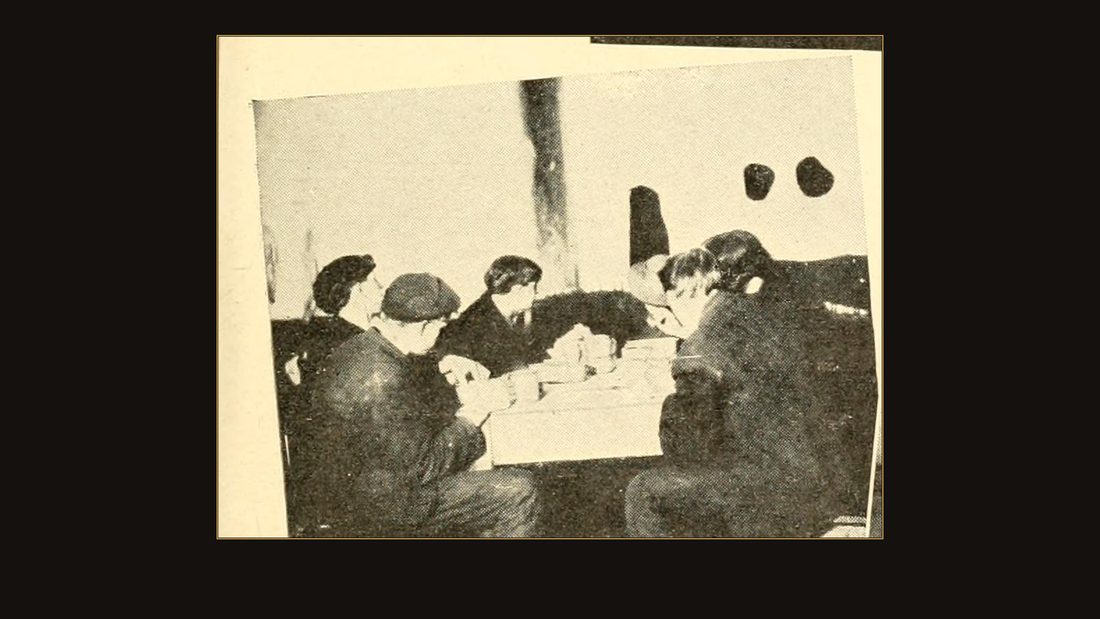
M29
Caleb Powers, "My Own Story," Bobbs-Merrill, 1905 - facing p. 272 - prisoners at breakfast. View the original.
He argues his innocence for four hundred pages, and nobody should take him on trust. But he saw the inside of that jail, and nobody else wrote it down.
On the murder he claims no answer. The twigs of the trees on Capitol Square, he wrote, have whispered the dark story among themselves, and it has gone no farther.
Shock all who love justice
His lawyers then tried a different door. They moved the case out of Kentucky into a federal court, under an old Reconstruction statute, section six hundred forty-one.
That statute lets a defendant move a state case when he cannot enforce his equal civil rights in that state's courts. It was written after the Civil War, and every case decided under it had concerned Black defendants.
The Court's answer was short. The rules apply equally to the white race. The statute is for the benefit of all of either race whose cases it embraces, and not alone for one.
Kentucky against Powers, decided the twelfth of March, nineteen oh six. The opinion of the Court was delivered by Justice Harlan. The Kentuckian, who had dissented six years earlier.
He did not soften what was in the record.
Looking alone at the petition for removal, the trials of the accused disclose such misconduct on the part of administrative officers connected with those trials—
—as may well shock all who love justice and recognize the right of every human being, accused of crime, to be tried according to law.
He quoted a Kentucky appellate judge on the trial judge's view: that it was no offense against the Fourteenth Amendment to exclude Republicans from a jury for being Republicans.
As for whether it was true, the Court noted that the Commonwealth of Kentucky had not filed a reply. Said allegations must, therefore, be accepted as true.
And then the Court sent him back. Congress, it held, had never given federal courts the power to take a case out of a state court for this.
The prosecution remanded to the state court. The custody of the accused surrendered to the state authorities. It is so ordered.
The fourth jury
M18
Caleb Powers, "My Own Story," Bobbs-Merrill, 1905 - facing p. 234 - Judge James E. Cantrill. View the original.
He was tried a fourth time, before the same courts, in the same county.
That jury could not agree. Powers said afterward that ten of the twelve had voted to acquit.
On the thirteenth of June, nineteen oh eight, Governor Augustus Willson pardoned Powers and James Howard. Powers walked out at ten that morning.
Willson gave his reasons in writing. The applications were supported by petitions signed by nearly five hundred thousand people.
Some two hundred and forty thousand Kentuckians. And, he noted, a large proportion are Democrats.
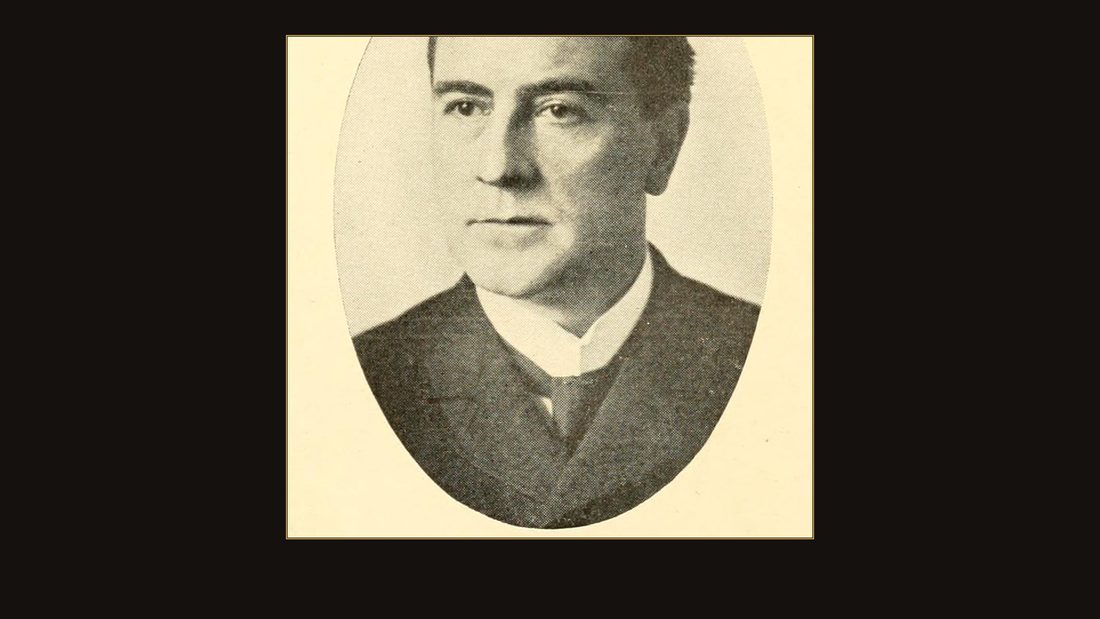
M16
Caleb Powers, "My Own Story," Bobbs-Merrill, 1905 - facing p. 186 - James B. Howard. View the original.
James Howard was the man the state said actually fired the shot. He walked out the same morning.
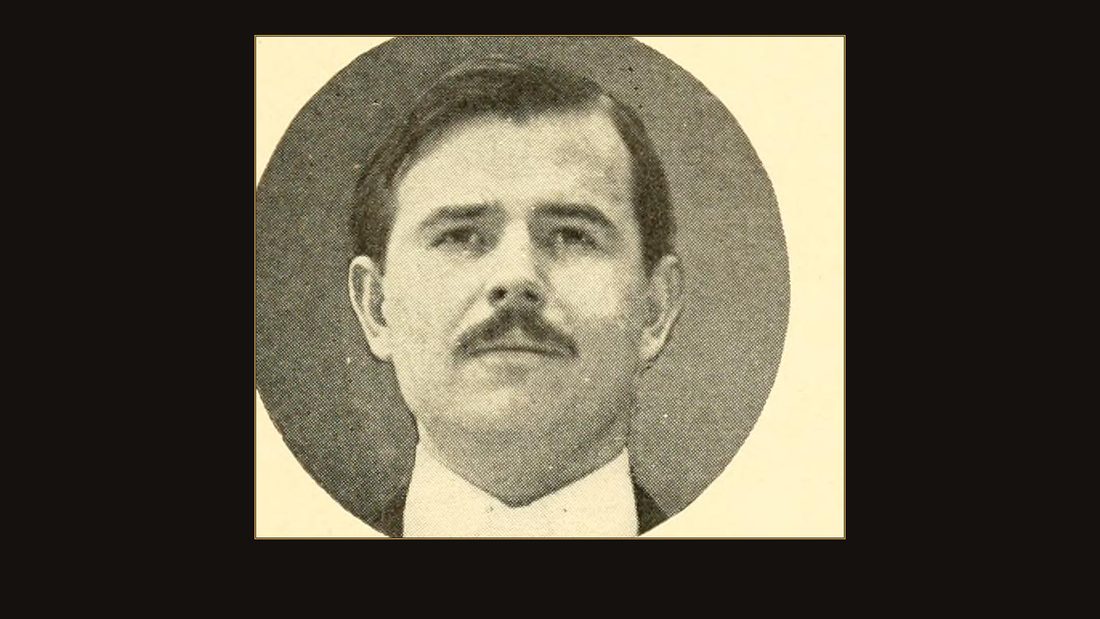
M15
Caleb Powers, "My Own Story," Bobbs-Merrill, 1905 - facing p. 186 - Henry E. Youtsey. View the original.
Henry Yowtsey, who had confessed and then unconfessed, was serving life and did not.
What Congress wrote down
A reporter asked Powers that afternoon whether he meant to go back into politics. He said: don't mention politics to me.
Two years later he ran for Congress from the mountain district, and won.
This is his entry in the Biographical Directory of the American Congress. Born near Williamsburg, Whitley County. Superintendent of schools, Knox County.
Elected secretary of state of Kentucky in eighteen ninety-nine, but was unseated after a contest. Author of My Own Story in nineteen oh five.
Elected as a Republican to the Sixty-second, Sixty-third, Sixty-fourth and Sixty-fifth Congresses. Nineteen eleven to nineteen nineteen.
Four terms in the House. Four trials for murder, three convictions, two death sentences. None of that is in the paragraph.
Unseated after a contest. That is the whole of it.
M14
Caleb Powers, "My Own Story," Bobbs-Merrill, 1905 - facing p. 186 - some of the others indicted. View the original.
What the record does not settle is who fired. Twenty men were accused. Convictions were reversed, retried, reversed again, pardoned away.
What it does settle is harder. Kentucky never denied what was said about those juries. And the Supreme Court, having read it, said it might shock anyone who loves justice, and sent him back anyway.
M10
Caleb Powers, "My Own Story," Bobbs-Merrill, 1905 - facing p. 144 - the Capitol; Goebel fell at the right of the fountain. View the original.
The fountain is still on that lawn.
M05
Caleb Powers, "My Own Story," Bobbs-Merrill, 1905 - facing p. 124 - mob in the streets. View the original.
If your people were in Frankfort or the mountain counties then, this went through families. Tell me what got handed down — the courthouse record stops where the kitchen table starts.
Sources
- Taylor and Marshall v. Beckham (No. 1), 178 U.S. 548 (argued Apr. 30 and May 1, 1900; decided May 21, 1900). LOC's own U.S. Reports scan, `tile.loc.gov/storage-services/service/ll/usrep/usrep178/usrep178548/usrep178548.pdf`, rendered at 300 dpi. - p. 548, syllabus — *
- Kentucky v. Powers, 201 U.S. 1 (argued Jan. 22, 1906; decided Mar. 12, 1906). `…/usrep201/usrep201001/usrep201001.pdf`, rendered at 300 dpi. - p. 2, syllabus — *
- Caleb Powers, *My Own Story: An account of the conditions in Kentucky leading to the assassination of William Goebel… and my indictment and conviction on the charge of complicity in his murder* (Indianapolis: Bobbs-Merrill, 1905). Read from archive.org item `myownstoryaccoun00powe` (1996 px, real tonal range in the halftones), *not* from `myownstoryaccoun00poweiala` — that item's 25 MB PDF is a washed-out 1740 px derivative and the plates are unreadable in it. Same 1905 edition, same pagination; its leaf index runs one behind the PDF page number. A partisan source and the script says so on screen, twice. It is used for three things the record does not otherwise carry: the photographs, the plan of the Capitol grounds with the line of fire drawn on it, and Powers' description of the jail he wrote it in. - facing p. 124, "Scenes in Frankfort" — mob in the streets after the shooting; soldiers guarding the Capital Hotel; a gun crew under the governor's windows. - facing p. 134, "A plan of the Capitol grounds" — printed sideways in the book; rotated for the exhibit. - facing p. 144, "On the Capitol grounds" — "The Capitol. Goebel fell at the right of the fountain"; "Taylor soldiers on guard"; "Governor Taylor at his desk." - facing p. 186, "Some of the others indicted for the murder of William Goebel." - facing p. 272, "Scenes in my quarters in the Louisville jail, February, 1905" — including "Writing the closing lines of my book." - pp. 121–127 — *
- *The Topeka State Journal*, Jan. 30, 1900, p. 1 — "GOEBEL SHOT. / Assassinated on the Street by Unknown Party"; and the dispatch: "Senator Goebel was shot and seriously wounded at ten minutes after 11 o'clock this morning… Mr. Goebel was walking up the sidewalk leading to the senate chamber when a man in the second story of the building immediately to the east of the capitol" fired.
- *Deseret Evening News* (Salt Lake City), Jan. 30, 1900, p. 1 — "GOEBEL SHOT DOWN IN THE STREET." Both of these are same-day evening editions a thousand miles and more from Frankfort.
- *The St. Louis Republic*, Jan. 31, 1900, p. 1 — "WILLIAM GOEBEL SHOT BY AN ASSASSIN ON THE EVE OF VICTORY / Ambushed Enemies Fired Five Shots From Windows of the Statehouse / ARRESTED SUSPECT WAS A TAYLOR GUARD."
- *The Evening Bulletin* (Maysville, Ky.), Jan. 31, 1900, p. 1 — "SENATOR GOEBEL SHOT! / Cowardly Attempt to Assassinate the Courageous Democratic Leader Tuesday at Noon."
- *The San Francisco Call*, Jan. 31, 1900, p. 1 — "GOEBEL ASSASSINATED AND LATER DECLARED GOVERNOR OF KENTUCKY / …Fires From the Third Story of the State Executive Building — Was Shot Through the Lung. May Not Survive."
- *The Indianapolis Journal*, Jan. 31, 1900, p. 1 — "WILLIAM GOEBEL SHOT / …Was About to Enter the Capitol at Frankfort, With the Notorious Jack Chinn, When a Bullet Struck Him Down / HARLAND WHITTAKER UNDER ARREST."
- *The Saint Paul Globe*, Jan. 31, 1900, p. 1 — "WILLIAM GOEBEL SHOT BY AN ASSASSIN," running second to the Boer War.
- *New-York Tribune*, Feb. 1, 1900, p. 1 — "TWO GOVERNORS IN KENTUCKY / GOEBEL SWORN IN ON HIS DYING BED BY CHIEF JUSTICE OF THE STATE / GOV. TAYLOR ADJOURNS LEGISLATURE TO NEXT WEEK."
- *The Salt Lake Herald*, Feb. 1, 1900, p. 1 — "GOEBEL IS GOVERNOR OF KENTUCKY / IS DECLARED ELECTED BY THE LEGISLATURE / Oath Is Administered to Him On His Deathbed and He Immediately Issues a Proclamation," printed alongside Gov. Goebel's proclamation of Jan. 31.
- *The News & Observer* (Raleigh, N.C.), Feb. 4, 1900, p. 1 — "THE MARTYRED GOVERNOR DIES / Goebel's Sister, Mrs. Braunacker, and Arthur Goebel Alone With Him at 6:44 p.m. When He Expires / THE SWEARING IN OF BECKHAM."
- *The Saint Paul Globe*, Feb. 4, 1900, p. 1 — "GOEBEL DEAD AND BECKHAM SWORN IN / WILLIAM GOEBEL IS DEAD / Succumbed to the Assassin's Bullet as Bravely as He Had Fought Off Death for Many Days," giving the time as 6:45. The two papers differ by a minute; the narration says "about a quarter to seven" rather than pick one.
- *Evening Star* (Washington, D.C.), June 13, 1908, p. 1 — "POWERS AND HOWARD PARDONED AT LAST"; "Powers was released from jail at 10 o'clock"; "Four times had Powers been put on trial for his life… three trials resulting in conviction and sentence, death being the penalty in two trials. On the fourth trial… the jury disagreed." It also identifies "James B. Howard, alleged to be the man who actually fired the shot that killed Goebel" as being under a life sentence at the time of the pardon.
- *Evening Star*, June 14, 1908, p. 2 — Gov. Willson's written reasons: the applications "supported by petitions recommending the pardon of the accused, signed by nearly 500,000 persons, some 240,000 Kentuckians, and a large proportion are democrats"; and "For more than eight years this group of cases has held the attention of the whole state and, indeed, of the whole country as no cases in this state ever did before." Same page carries Powers' statement, including "ten of the jury in the last trial voted for my acquittal" and, asked about returning to politics, "Don't mention politics to me."
- Biographical Directory of the American Congress, 1774–1927, p. 1427, entry "POWERS, Caleb." archive.org `in.ernet.dli.2015.74142`, read off a 300-dpi render of the page. *
- Who fired the shot. Powers says about twenty men were formally accused. James Howard was convicted three times of firing it and pardoned in 1908; Henry Youtsey was convicted and serving life at that date. No conviction for the killing survived intact. The episode does not name a shooter, because the record does not.
- Whether the contest committee was rigged. Justice Brewer wrote that the outcome of the drawing "lends support" to the allegation. He did not find it proved, and neither does this video.
- What the trials were actually like. The Supreme Court's damning sentences describe *the allegations in the petition for removal*, which the Commonwealth never answered — the Court says so itself. That is a real and unusual procedural fact, and it is not the same thing as findings after a hearing.
- Powers' guilt or innocence. Three juries convicted him, three convictions were set aside, a fourth jury hung, and a governor pardoned him. The record ends there.